
When Website Design Trends Change in 2026
Website design trends change continuously, but in 2026 they are shifting faster than ever. Understanding when website design trends change in 2026 helps businesses stay relevant, modern, and user-focused. Trends are not random; they evolve predictably in response to technology, users, search engines, and business needs.
Design trends signal what users expect next — and adopting them at the right time can give brands a competitive edge.
Quarterly Design Shifts Are Becoming the Norm
In 2026, major website design trends often change on a quarterly cycle. Every three months, new styles, interaction patterns, and tech adoptions emerge as designers test and release fresh ideas. This faster pace is driven by real-time data from users, AI insight tools, and evolving mobile capabilities.
When website design, these quarterly updates typically introduce:
-
New UI and micro-interaction patterns
-
Updated navigation styles
-
Fresh animation and transition effects
Design teams monitor these trend cycles to keep websites current.
Tech Advancements Trigger Trend Shifts
One of the most significant markers of when website design is the release of new technologies. Major tech shifts — like updates to artificial intelligence, Web3 tools, and immersive experiences — drive design evolution.
Examples of tech-driven design changes:
-
AI-generated layouts and content
-
Voice-activated design patterns
-
Augmented Reality (AR) features
-
Interactive 3D visuals
When platforms like AI design tools release new capabilities, design trends adjust almost instantly.
User Behavior Signals Trend Shifts
Web design trends also change when user behavior shifts. In 2026, analytics tools can detect evolving preferences in real time.
Trends change when:
-
Users prefer faster interfaces
-
Mobile interaction patterns evolve
-
Search habits shift (e.g., more voice search)
-
Engagement metrics indicate new user expectations
For example, if users begin favoring gesture-based navigation over traditional menus, designers quickly follow.
Search Engine and SEO Updates Influence Design
Search engines influence when website design trends change in 2026. Google and other engines increasingly consider user experience metrics — like Core Web Vitals — as ranking factors.
Design trends shift when:
-
SEO guidelines are updated
-
New performance benchmarks are introduced
-
User engagement becomes a stronger ranking signal
Design must evolve to align with SEO to maintain visibility and organic traffic.
Device and Platform Releases Trigger Trend Updates
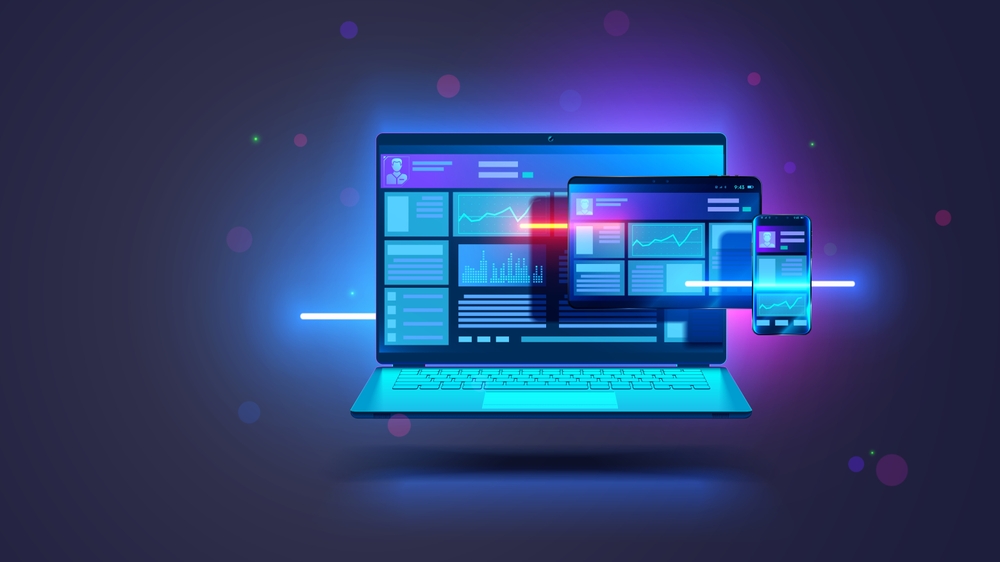
New devices and platforms also influence design cycles. When a major device — like a foldable phone or AI-driven headset — becomes mainstream, design trends immediately change to accommodate it.
Key moments include:
-
Launches of new mobile/AR hardware
-
Platform design guideline updates
-
Operating system UI changes
These trigger shifts in responsive and adaptive design practices.
Industry Events and Design Showcases Mark Trend Changes
Annual conferences, design festivals, and technology showcases often signal when website design trends change in 2026. Major design communities share trend reports and predictions after events like:
-
UX and UI summits
-
AI in design conferences
-
Web technology expos
Designers adopt new ideas directly after these events, accelerating trend changes.
Business and Market Evolution Push Trends Forward
When industry standards change — such as new accessibility guidelines, e-commerce features, or regulatory updates — design trends adapt. This reflects when website design trends change in 2026 due to business forces.
Examples:
-
New accessibility regulations
-
Secure payment standards
-
Privacy and consent UX patterns
Trends shift to meet compliance and user trust expectations.
AI-Driven Predictive Trend Updates
In 2026, AI doesn’t just follow trends — it predicts them. AI tools analyze mass user data and suggest design changes before most humans notice a shift. This means trends change even before traditional design cycles complete.
AI-driven signals for trend changes include:
-
Predictive UX changes
-
Automated personalization trends
-
UI pattern clusters from user engagement data
Businesses that use AI trend insights adapt faster.
How Often Should You Update Based on Trends?
Understanding when website design trends change in 2026 helps you decide how often to update your site:
✅ Minor visual updates: Every quarter
✅ UX and interaction updates: Every 4–6 months
✅ Full redesigns: Every 12–18 months
But updates should be driven by data — not just looks.
Stay Ahead With Professional Design Strategy
Keeping your website current with trend cycles ensures relevance and performance. If you’re unsure when website design trends change in 2026 or how to apply them, professional guidance helps you adopt trends that benefit your users and your business.
Talk to expert web designers here
Final Thoughts
So, when website design trends change in 2026?
They change when technology evolves, user behavior shifts, SEO and search engine updates occur, new devices emerge, and predictive AI insights indicate new patterns — often on a quarterly basis.
Explore more related articles to deepen your understanding
Best Fonts for Branding: Create a Lasting Visual Identity
SEO Content Writing: A Complete Guide for BeginnersDoes Google use Cloudflare
Content Writing Basics: A Beginner’s Guide to Effective Writing