

Website SEO Performance for Better Rankings and Traffic
A website’s success depends heavily on how well it performs in search engines. Businesses with strong SEO performance gain higher visibility, increased organic traffic, and better customer engagement. This is why improving website SEO performance is essential for long-term online growth and digital marketing success.
Modern search engines evaluate websites based on speed, content quality, mobile optimization, technical SEO, and user experience. Effective website SEO performance strategies help businesses improve rankings, attract targeted visitors, and create a better browsing experience for users.
Why Website SEO Performance Matters
SEO performance directly affects online visibility and customer reach.
Benefits of Website SEO Performance
- Higher search engine rankings
- Increased organic traffic
- Better user engagement
- Improved website credibility
- Long-term digital growth
Businesses with optimized SEO performance can compete more effectively online.
For official SEO guidelines, visit Google Search Central India.
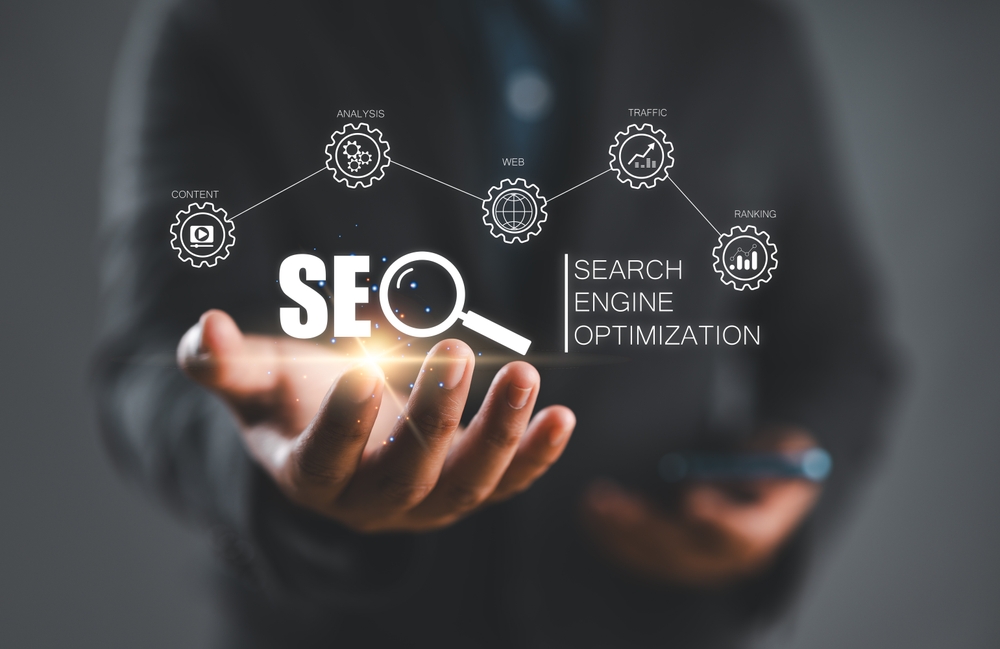
Website Speed Optimization
Website speed is one of the most important SEO ranking factors.
Speed Optimization Techniques
- Image compression
- Browser caching
- Lightweight coding
- CDN integration
Fast-loading websites improve user experience and reduce bounce rates.
Technical SEO and Website Performance
Technical SEO helps search engines crawl and index websites efficiently.
Technical SEO Features
- XML sitemap optimization
- HTTPS security
- Structured data markup
- Crawl error fixes
Technical improvements strengthen overall SEO performance.
Mobile SEO Optimization
Most users browse websites on mobile devices.
Mobile SEO Features
- Responsive website design
- Fast mobile loading speed
- Mobile-friendly navigation
- Optimized mobile content
Mobile optimization is essential for strong website SEO performance.
Content Quality and SEO
High-quality content improves rankings and audience engagement.
Content SEO Strategies
- Informative blog posts
- Keyword optimization
- Clear heading structure
- Regular content updates
Quality content helps websites attract and retain visitors.
Keyword Optimization
Keywords help search engines understand webpage topics.
Keyword Optimization Tips
- Use keywords naturally
- Optimize page titles
- Add keywords in headings
- Improve meta descriptions
Balanced keyword usage improves visibility without over-optimization.
Core Web Vitals and SEO Performance
Google uses Core Web Vitals to evaluate website user experience.
Important Core Web Vitals
- Largest Contentful Paint (LCP)
- Interaction to Next Paint (INP)
- Cumulative Layout Shift (CLS)
Optimizing these metrics improves both rankings and usability.
Internal Linking and Website Structure
Internal links improve navigation and SEO structure.
Benefits of Internal Linking
- Better page indexing
- Improved user navigation
- Increased engagement
- Stronger page authority distribution
Internal linking supports better search engine understanding.
For professional SEO consultation and website optimization services, visit Digitor Contact Page.
User Experience and SEO
Search engines prioritize websites with positive user experiences.
UX Optimization Includes
- Easy navigation
- Clear website layouts
- Fast-loading pages
- Mobile-friendly interfaces
Better user experience improves engagement and search rankings.
AI and Website SEO Performance
Artificial intelligence is influencing modern SEO strategies.
AI SEO Features
- Search intent analysis
- AI-powered keyword suggestions
- Automated SEO audits
- Predictive optimization insights
AI helps businesses improve SEO performance more effectively.
Voice Search Optimization
Voice search is becoming increasingly popular.
Voice SEO Strategies
- Use conversational keywords
- Optimize FAQ sections
- Improve local SEO
- Target question-based searches
Voice optimization supports modern search trends.
Image SEO Optimization
Images affect both SEO and website performance.
Image SEO Techniques
- Use descriptive alt text
- Compress image sizes
- Optimize filenames
- Implement lazy loading
Image optimization improves loading speed and accessibility.
Local SEO and Website Performance
Local SEO helps businesses attract nearby customers.
Local SEO Features
- Google Business Profile optimization
- Location-based keywords
- Customer reviews
- Local content marketing
Local optimization improves visibility in regional search results.
Ecommerce Website SEO Performance
Ecommerce websites require specialized optimization strategies.
Ecommerce SEO Features
- Product page optimization
- Product schema markup
- Mobile-friendly checkout
- Fast product page loading
SEO improvements increase ecommerce visibility and conversions.
Common Website SEO Performance Mistakes
Businesses should avoid:
- Slow-loading pages
- Poor mobile optimization
- Duplicate content
- Weak internal linking
- Ignoring technical SEO
Avoiding these mistakes improves long-term SEO success.
Why Professional SEO Services Matter
Professional SEO experts help businesses improve all aspects of website performance.
Benefits of Professional SEO Services
- Better search rankings
- Increased organic traffic
- Improved technical SEO
- Higher customer engagement
- Long-term digital growth
Experts create customized SEO strategies tailored to business goals.
For SEO industry news and optimization insights, visit Search Engine Journal.
Conclusion
Improving website SEO is essential for achieving better search rankings, attracting targeted visitors, and increasing online growth. From technical SEO and content optimization to mobile responsiveness and website speed, every factor contributes to stronger digital visibility.
Businesses that invest in SEO performance optimization can improve customer experience, increase organic traffic, and stay competitive in the digital marketplace.
Explore more related articles to deepen your understanding
Best Fonts for Branding: Create a Lasting Visual Identity
SEO Content Writing: A Complete Guide for BeginnersDoes Google use Cloudflare
Content Writing Basics: A Beginner’s Guide to Effective Writing