Category: Uncategorized

  • Why Is Local SEO Important for Small Businesses in India

    Why Is Local SEO Important for Small Businesses in India

    Why Is Local SEO Important for Local Businesses?

    In today’s digital-first world, customers rely heavily on Google to find nearby services. Whether it’s a restaurant, salon, clinic, or service provider, people search online before making a decision. This is where the question arises: Why is local SEO important for businesses targeting a specific geographic area?

    Local SEO helps businesses appear in location-based searches, especially on Google Search and Google Maps. For Indian businesses competing in crowded local markets, local SEO is no longer optional—it’s essential for survival and growth.

    What Makes Local SEO So Important Today?

    Understanding why is local SEO important starts with user behavior. Most consumers search for products and services using terms like “near me”, “best service in my area”, or “shop near me”. Google prioritizes local results for these searches.

    Growing Dependence on Local Search

    • Mobile searches for nearby services are increasing rapidly

    • Customers trust Google Maps listings and reviews

    • Local searches often lead to immediate action (calls or visits)

    If your business doesn’t show up in local search results, you’re losing potential customers to competitors who do.

    Why Is Local SEO Important for Indian Businesses?

    India has millions of small and medium-sized enterprises serving local communities. Knowing why is local SEO important can help these businesses compete with larger brands.

    Higher Visibility in Local Searches

    Local SEO ensures your business appears when customers search in your city or area. This increased visibility directly impacts foot traffic, phone calls, and inquiries.

    Cost-Effective Marketing Strategy

    Unlike paid ads, local SEO delivers long-term results without continuous ad spend. This makes it ideal for Indian startups and small businesses with limited budgets.

    Builds Trust Through Reviews

    Businesses with strong local SEO often have better online reviews. Positive Google reviews build credibility and influence customer decisions.

    For insights on how Indian businesses are going digital, visit Google India for Business.

    How Local SEO Drives More Qualified Leads

    Targets Ready-to-Buy Customers

    People searching locally usually have high purchase intent. This is a key reason why is local SEO important for lead generation.

    Improves Google Maps Rankings

    Optimized local SEO helps your business appear in the Google “Local Pack,” which receives the highest number of clicks.

    Boosts Conversion Rates

    Local traffic converts better than general traffic because users are actively looking for nearby solutions.
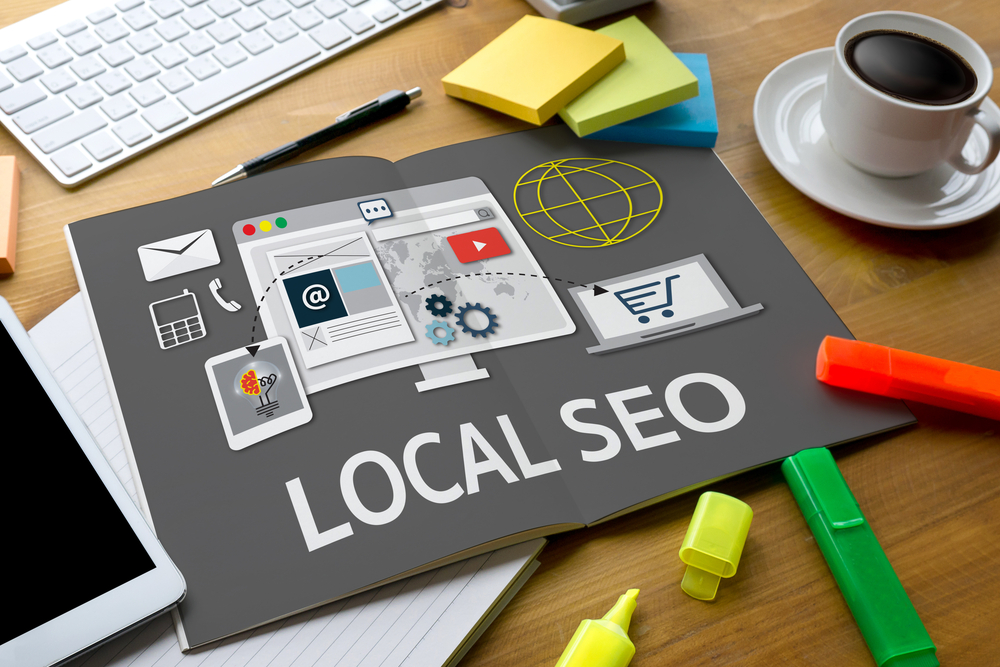
    Local SEO Important for Small Businesses

    Why Is Local SEO Important Compared to Traditional Advertising?

    Traditional advertising like flyers, hoardings, or newspaper ads lacks precise targeting. In contrast, local SEO reaches customers exactly when they need you.

    Benefits Over Traditional Marketing

    • Measurable performance

    • Better targeting

    • Higher ROI

    • Long-term visibility

    This efficiency explains why is local SEO important for businesses aiming for sustainable growth.

    Key Elements That Make Local SEO Effective

    Google Business Profile Optimization

    Accurate business details, photos, and updates improve rankings.

    Local Keywords

    Using city-based keywords helps Google understand your service area.

    Consistent Business Information

    Your name, address, and phone number should be consistent across all platforms.

    How to Start Using Local SEO for Your Business

    If you now understand why is local SEO important, the next step is implementation:

    1. Optimize your Google Business Profile

    2. Use location-based keywords on your website

    3. Collect customer reviews

    4. List your business in Indian directories

    5. Monitor and update your local listings

    If you want expert guidance, professional help can save time and deliver faster results.

    Get in touch with local SEO experts

    Final Thoughts

    So, why is local SEO important? Because it connects your business with nearby customers at the exact moment they’re searching. In a competitive Indian market, local SEO helps you stand out, build trust, and drive consistent growth.

    Businesses that invest in local SEO today are the ones that will dominate their local markets tomorrow

    Explore more related articles to deepen your understanding

    Best Fonts for Branding: Create a Lasting Visual Identity

    SEO Content Writing: A Complete Guide for BeginnersDoes Google use Cloudflare

    Content Writing Basics: A Beginner’s Guide to Effective Writing

    What Is Copywriting

  • What Is Local SEO? Complete Guide for Indian Businesses

    What Is Local SEO? Complete Guide for Indian Businesses

    What Is Local SEO? A Complete Guide for Local Businesses

    If you run a business that serves customers in a specific city or area, you’ve probably heard the term local SEO. But what is local SEO, and why is it so important for small and local businesses in India?

    Local SEO (Search Engine Optimization) is the process of optimizing your online presence to attract more customers from local search results on Google and other search engines. When people search for services like “salon near me”, “digital marketing agency in Delhi”, or “best restaurant in Mumbai”, SEO helps your business appear at the top.

    In this guide, we’ll explain what is SEO, how it works, and how you can use it to grow your business.

    What Is Local SEO and How Does It Work?

    What is SEO?
    Local SEO focuses on improving your visibility in location-based searches, especially on Google Search and Google Maps. It helps search engines understand where your business is located and what services you offer.

    How Local SEO Works

    Search engines use several signals to rank local businesses, including:

    • Business location (proximity)

    • Google Business Profile optimization

    • Local keywords

    • Online reviews

    • Local citations (name, address, phone number)

    When all these elements are optimized, Google is more likely to show your business to users searching nearby.

    Why Is Local SEO Important for Indian Businesses?

    India has millions of small and medium businesses competing for attention. Understanding what is SEO can give you a major advantage.

    Key Benefits of Local SEO

    • Helps customers find your business faster

    • Increases foot traffic and calls

    • Builds trust through reviews and ratings

    • Improves Google Maps visibility

    • Higher conversion rates than traditional ads

    According to Google India, most users search online before visiting a local store, making local SEO a must for growth.

    What Is SEO vs Traditional SEO?

    Traditional SEO

    • Targets global or national audience

    • Focuses on generic keywords

    • Less location-specific

    Local SEO

    • Targets city or area-based searches

    • Focuses on “near me” and local keywords

    • Uses Google Maps and local listings

    If you’re still wondering what is SEO, think of it as SEO designed specifically for businesses that serve a local audience.

    What Is Local SEO

    Key Elements of SEO

    Google Business Profile Optimization

    Your Google Business Profile is the backbone of SEO. Make sure:

    • Business name, address, and phone number are accurate

    • Business category is correct

    • Photos and updates are added regularly

    Local Keywords

    Using keywords like “digital marketing agency in India” or “best nail salon in Bangalore” helps Google understand your service area. Strategically using what is SEO related keywords in content also improves rankings.

    Online Reviews

    Positive reviews improve trust and rankings. Encourage happy customers to leave Google reviews.

    How to Get Started With SEO

    If you’re ready to implement what you’ve learned about what is SEO, start with these steps:

    1. Create or optimize your Google Business Profile

    2. Use local keywords on your website

    3. Add your business to Indian directories

    4. Collect genuine customer reviews

    5. Keep your contact details consistent everywhere

    If you need professional help, you can always consult experts who specialize in SEO strategies.

    Contact local SEO experts here.

    Final Thoughts: What Is SEO and Why You Need It

    To sum it up, what is SEO? It’s one of the most powerful digital marketing strategies for businesses that want local customers, not just website traffic.

    Whether you’re a salon, clinic, restaurant, or service provider, investing in SEO helps your business appear where it matters most — right in front of nearby customers who are ready to buy.

    If your goal is consistent local growth, understanding and implementing what is SEO is no longer optional — it’s essential 🚀

    Explore more related articles to deepen your understanding

    Best Fonts for Branding: Create a Lasting Visual Identity

    SEO Content Writing: A Complete Guide for BeginnersDoes Google use Cloudflare

    Content Writing Basics: A Beginner’s Guide to Effective Writing

    What Is Copywriting

  • Who Uses No-Code Website Builders in 2026

    Who Uses No-Code Website Builders in 2026

    Who Uses No-Code Website Builders in 2026

    No-code website builders have evolved into powerful platforms that enable anyone to build professional websites without writing code. In 2026, these tools are widely adopted across industries due to AI assistance, drag-and-drop interfaces, and built-in optimization features. Understanding who uses no-code website builders in 2026 helps businesses decide when no-code is the right solution.

    No-code is about speed, accessibility, and independence.

    Small Business Owners and Local Businesses

    Small business owners are one of the largest groups who uses no-code website builders.

    They use no-code platforms to:

    • Launch websites quickly

    • Maintain content independently

    • Reduce development costs

    • Create mobile-friendly designs

    Local shops, service providers, and entrepreneurs rely on no-code tools for fast digital presence.

    Startups and Early-Stage Founders

    Startups strongly fall under who uses no-code website builders.

    Founders use no-code to:

    • Build MVP websites

    • Validate business ideas

    • Launch landing pages fast

    • Iterate without developers

    No-code allows startups to test markets before investing in full development.

    Marketers and Growth Teams

    Marketing teams are a key segment who uses no-code website builders.

    They use no-code tools for:

    • Campaign landing pages

    • Lead generation websites

    • Event microsites

    • A/B testing layouts

    No-code removes dependency on developers and speeds up campaigns.

    No-Code Website Builders in 2026
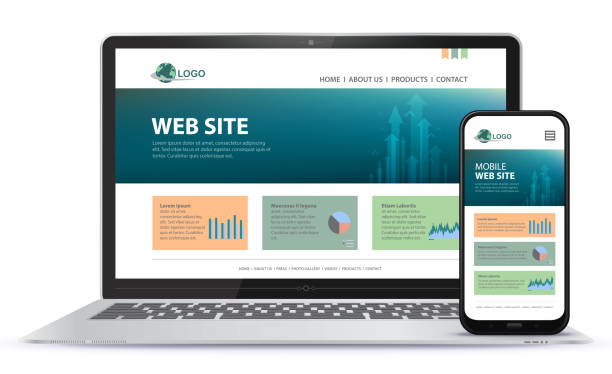
    Computer Screen and Mobile Phone Vector Illustration With Responsive Website Design.

    Creators, Freelancers, and Personal Brands

    Creators and freelancers are a growing audience who uses no-code website builders in 2026.

    They rely on no-code platforms to:

    • Build portfolio websites

    • Showcase work visually

    • Control branding

    • Monetize content

    No-code gives creators ownership of their digital presence.

    E-Commerce Sellers and Small Online Stores

    E-commerce entrepreneurs are another clear answer who uses no-code website builders in 2026.

    They use no-code to:

    • Launch online stores

    • Manage products and payments

    • Optimize mobile shopping

    • Update content easily

    No-code tools make online selling accessible without technical barriers.

    Non-Technical Founders and Professionals

    Non-technical professionals are central to who uses no-code website builders in 2026.

    This includes:

    • Consultants and coaches

    • Educators and trainers

    • Industry experts

    • First-time entrepreneurs

    No-code empowers them to turn ideas into live websites without learning code.

    Educational Institutions and Nonprofits

    Schools, educators, and nonprofits are also among who uses no-code website builders in 2026.

    They use no-code for:

    • Informational websites

    • Event pages

    • Resource hubs

    • Donation and registration forms

    Budget-friendly and easy maintenance makes no-code ideal for these groups.

    Internal Business Teams and Operations

    Companies also use no-code internally. A modern use case who uses no-code website builders in 2026 is internal teams.

    They build:

    • Internal dashboards

    • Knowledge bases

    • Process documentation

    • Admin portals

    No-code reduces workload on engineering teams.

    Indian Businesses in Mobile-First Markets

    In India, no-code adoption is growing rapidly due to mobile-first usage and fast-scaling businesses.

    Digital innovation and accessibility initiatives supported by the Ministry of Electronics and Information Technology encourage easier digital adoption.

    No-code tools help Indian businesses go online faster and reach wider audiences.

    When No-Code Makes the Most Sense

    No-code website builders are ideal when:

    • Speed matters more than custom complexity

    • Budgets are limited

    • Content changes frequently

    • Technical teams are unavailable

    However, high-scale or complex platforms may still require custom development.

    Need help deciding between no-code and custom web design?

    Final Thoughts

    So, who uses no-code website builders in 2026?
    Small businesses, startups, marketers, creators, e-commerce sellers, non-technical founders, educators, nonprofits, internal teams, and Indian digital-first businesses all rely on no-code platforms.

    No-code is no longer basic—it’s a strategic tool for modern web creation.

    Previous Post
  • Who Should Invest in UX-Focused Websites in 2026

    Who Should Invest in UX-Focused Websites in 2026

    Who Should Invest in UX-Focused Websites

    In 2026, user experience (UX) is no longer just a design trend—it’s a business necessity. A UX-focused website directly impacts conversions, retention, SEO, and brand trust. Understanding who should invest in UX-focused websites helps organizations prioritize design decisions that drive real results.

    Good UX is not about decoration. It’s about performance.

    Startups and Early-Stage Businesses

    Startups are one of the top groups who should invest in UX-focused websites.

    UX-focused websites help startups:

    • Explain products clearly

    • Reduce user confusion

    • Increase early adoption

    • Build credibility quickly

    When users don’t understand your product, they leave—UX prevents that.

    Small and Medium Businesses (SMBs)

    SMBs strongly fall under who should invest in UX-focused websites.

    UX design helps SMBs:

    • Compete with bigger brands

    • Improve lead generation

    • Increase local conversions

    • Reduce bounce rates

    A smooth user journey can outperform a large marketing budget.

    E-Commerce Brands and Online Stores

    E-commerce businesses are a major answer who should invest in UX-focused websites.

    UX improvements directly affect:

    • Product discovery

    • Cart and checkout flow

    • Mobile shopping experience

    • Repeat purchases

    Even small UX changes can significantly boost sales.

    UX-Focused Websites in 2026

    SaaS and Technology Companies

    SaaS companies absolutely belong to who should invest in UX-focused websites.

    UX-focused SaaS websites:

    • Improve onboarding

    • Reduce churn

    • Increase feature adoption

    • Support long-term retention

    Great UX makes complex software feel simple.

    Service-Based Businesses and Agencies

    Consultants, agencies, and service providers are another group who should invest in UX-focused websites.

    UX helps service businesses:

    • Communicate value clearly

    • Guide users to inquiry forms

    • Build authority and trust

    • Convert visitors into leads

    Your website often acts as your first salesperson.

    Corporate and Enterprise Organizations

    Large organizations are a critical segment who should invest in UX-focused websites.

    UX-focused enterprise websites ensure:

    • Easy navigation across large content structures

    • Accessibility compliance

    • Consistent brand experience

    • Better stakeholder engagement

    Poor UX at scale leads to frustration and loss of trust.

    Content Platforms and Media Websites

    Content-driven platforms are often overlooked, but they are key who should invest in UX-focused websites.

    UX improves:

    • Readability and engagement

    • Content discovery

    • Time on site

    • Subscriber growth

    Good UX keeps readers coming back.

    Local Businesses and Mobile-First Audiences

    Local businesses are a practical example who should invest in UX-focused websites.

    UX-focused local sites support:

    • Mobile navigation

    • Click-to-call actions

    • Location and service discovery

    • Faster decision-making

    Most local users interact via mobile—UX must match that behavior.

    Healthcare, Legal, and Trust-Based Industries

    Trust-driven industries strongly fall under who should invest in UX-focused websites.

    UX builds trust through:

    • Clear information hierarchy

    • Accessibility

    • Simple forms

    • Professional credibility

    When trust matters, UX matters more.

    Indian Businesses in Competitive Digital Markets

    In India, digital competition is growing rapidly, especially on mobile. Businesses targeting Indian users should strongly invest in UX-focused websites.

    Digital experience standards promoted under initiatives by the Ministry of Electronics and Information Technology emphasize usability, accessibility, and performance. UX-focused design helps Indian businesses scale across devices, languages, and audiences.

    UX as a Business Investment

    UX is not a design expense—it’s a growth investment. Businesses that prioritize UX see higher conversions, stronger SEO performance, better customer satisfaction, and long-term loyalty.

    Want to build a UX-focused website that actually converts?

    Final Thoughts

    So, who should invest in UX-focused websites in 2026?
    Startups, SMBs, e-commerce brands, SaaS companies, service providers, enterprises, content platforms, local businesses, trust-based industries, and Indian digital-first businesses.

    If your website supports growth, UX is non-negotiable.

  • Who Are the Top Website Designers in 2026? Agencies & Teams

    Who Are the Top Website Designers in 2026? Agencies & Teams

    Who Are the Top Website Designers in 2026

    In 2026, the landscape of professional web design blends creativity, performance, UX, AI integration, and business-driven strategy. Whether you’re a startup, enterprise, or creative brand, choosing the right design partner impacts how effectively your website engages users and drives results.

    So — who are the top website designers in 2026? Here’s a snapshot of leading teams and agencies recognized for excellence in modern web design.

    1. Sparktopus — Strategic Web Design & Growth

    Sparktopus stands out as a top leader in 2026 web design — especially for businesses that want more than “pretty pages.”

    Why they’re top designers:

    • Combines design, UX, performance, SEO, and tech strategy

    • Builds scalable, secure sites for startups through enterprises

    • Focuses on measurable outcomes and business impact

    Best for: SaaS, fintech, technology brands, high-growth businesses

    2. Clay — UX/UI and Brand-Driven Design

    Clay is known for crafting highly polished, user-centric web experiences.

    Highlights:

    • Strong visual storytelling and interface design

    • Works with major tech companies and brands

    • Balances aesthetics with usability and conversion focus

    Best for: SaaS companies, tech brands, interactive digital products

    3. Mission Control — AI-Augmented Design Teams

    Mission Control represents the next generation of design agencies built for AI workflows.

    Why it’s noteworthy:

    • Uses intelligent tooling to speed workflows and explore multiple design paths

    • Focuses on strategy and creative leadership rather than repetitive tasks

    • Blends senior design direction with efficient execution

    Best for: fast-moving startups and design-driven businesses

    4. Ruckus Marketing — Bold Brand-First Experience

    Ruckus Marketing ranks among top designers for high-impact, brand-focused design strategies.

    Strengths:

    • Creative branding integration

    • Bold design language that enhances storytelling

    • Strong ROI-oriented website strategies

    Best for: lifestyle brands, enterprise campaigns, media presences

     Top Website Designers in 2026

    5. Eleks — Enterprise-Scale Digital Platforms

    Eleks delivers web design with enterprise-grade performance and scalability.

    Why they’re influential:

    • Combines elegant design with robust technical architecture

    • Expertise in finance, logistics, healthcare, and global digital platforms

    • Balanced approach: visuals, user experience, and performance

    Best for: enterprise systems and complex digital ecosystems

    6. Moburst — Mobile-First & Cross-Platform Design

    Moburst focuses on mobile-optimized user experiences that convert.

    Key strengths:

    • Mobile-first UI and responsive design

    • Creative storytelling combined with performance

    • Award-worthy creative strategies

    Best for: mobile-heavy audiences and performance-driven brands

    7. Huemor — Engaging UX & Emotional Branding

    Huemor blends personality and performance in its web designs.

    Why they’re recommended:

    • Human-centered, memorable interfaces

    • Strong focus on engagement metrics

    • Designed to balance fun visuals with conversions

    Best for: SMBs, creative agencies, consumer brands

    8. Baunfire — Futuristic & Tech-Forward Design

    Baunfire is known for sleek modern design, appealing to digital innovators.

    Highlights:

    • Clean, futuristic design ethos

    • Great for cutting-edge tech and SaaS brands

    • Combines visual simplicity with brand clarity

    Best for: tech startups, B2B platforms

    9. Dotlogics — SEO + Design Integration

    Dotlogics brings together design and digital marketing for growth-oriented experiences.

    What makes them stand out:

    • SEO-optimized design principles

    • End-to-end digital strategy support

    • Strong performance and conversion focus

    Best for: businesses prioritizing visibility and growth

    10. Bop Design & Pearl Lemon Web — Niche Specialists

    Bop Design and Pearl Lemon Web are among the agencies gaining traction in 2026 for specialized web design services.

    • Bop Design: B2B-focused branding and user experience

    • Pearl Lemon Web: SEO-driven bespoke design solutions

    Best for: B2B companies and SEO-centric digital strategies

    Award-Winning Website Designers (DesignRush)

    DesignRush highlights websites recognized for excellence — indicating who’s creating award-worthy web experiences in 2026. Examples include:

    • Type and Space LTD — designers behind Voltpile and ADDVERB.AI

    • Digital Silk — enterprise and impact-driven designs

    • GoingClear — B2B design innovators

    These recognitions reflect both creative excellence and industry impact.

    How to Choose a Top Web Designer

    Not every business needs the same designer. When picking from the top names:

    • Match industry expertise with your niche

    • Look for designers who understand AI, mobile-first, UX, and SEO

    • Prioritize portfolios with measurable performance results

    Final Thoughts

    So, who are the top website designers in 2026?
    Leading designers include innovative agencies like Sparktopus, Clay, Mission Control, Ruckus Marketing, Eleks, Moburst, Huemor, Baunfire, Dotlogics, Bop Design, and Pearl Lemon Web — all excelling in design, performance, and modern UX. Many of their works are also featured on curated lists of the best website designs of 2026.

  • Who Benefits From AI Website Design in 2026

    Who Benefits From AI Website Design in 2026

    Who Benefits From AI Website Design

    AI website design is transforming how websites are built, optimized, and experienced. In 2026, AI-powered design is no longer limited to tech giants—it benefits businesses of all sizes and industries. Understanding who benefits from AI website design helps organizations adopt smarter, faster, and more effective digital strategies.

    AI design combines automation, data, and user behavior insights.

    Startups and Early-Stage Businesses

    Startups are among the biggest groups who benefits from AI website design.

    AI helps startups:

    • Launch websites faster

    • Reduce design and development costs

    • Create professional layouts instantly

    • Test and iterate quickly

    AI enables startups to compete with established brands from day one.

    AI Website Design

    Small and Medium Businesses (SMBs)

    SMBs strongly fall under who benefits from AI website design.

    AI-powered design allows SMBs to:

    • Maintain modern design standards

    • Improve mobile responsiveness

    • Optimize UX without large teams

    • Scale their website easily

    AI levels the playing field for smaller businesses.

    E-Commerce Brands and Online Stores

    E-commerce companies are a clear answer who benefits from AI website design.

    AI improves:

    • Personalized product layouts

    • Smart recommendations

    • Dynamic homepage design

    • Conversion-focused checkout flows

    AI-driven design directly impacts sales and revenue.

    Marketing Teams and Growth Professionals

    Marketing teams are key stakeholders who benefits from AI website design.

    AI supports marketers by:

    • Generating high-converting landing pages

    • Optimizing CTA placement

    • Running automated A/B tests

    • Analyzing user behavior

    Design decisions become performance-driven instead of guesswork.

    SaaS and Technology Companies

    SaaS businesses strongly represent who benefits from AI website design.

    AI helps SaaS platforms with:

    • Clear UX flows

    • Feature-focused layouts

    • User onboarding optimization

    • Cross-device consistency

    Better design improves adoption and retention rates.

    Large Enterprises and Corporations

    Enterprises are another major group who benefits from AI website design.

    AI assists enterprises in:

    • Maintaining design system consistency

    • Scaling websites across regions

    • Ensuring accessibility compliance

    • Improving performance metrics

    AI reduces manual effort while increasing quality at scale.

    Designers and Web Agencies

    Design professionals themselves are part of who benefits from website design.

    AI empowers designers to:

    • Speed up workflows

    • Generate layout ideas

    • Focus on strategy and creativity

    • Deliver projects faster

    AI becomes a productivity partner, not a replacement.

    Content Creators and Personal Brands

    Creators and influencers also fall under who benefits from website design.

    AI helps creators:

    • Build websites without technical complexity

    • Customize layouts easily

    • Optimize content presentation

    • Monetize their personal brand

    Ownership of a website becomes easier with AI tools.

    End Users and Website Visitors

    Users are often overlooked but are central to who benefits from website design.

    AI improves user experience through:

    • Faster page loads

    • Personalized content

    • Better navigation

    • Accessibility-friendly interfaces

    Happy users lead to better engagement and trust.

    Indian Businesses and Digital Platforms

    In India, AI-driven web design adoption is growing rapidly across startups, agencies, and enterprises.

    Digital innovation initiatives supported by the Ministry of Electronics and Information Technology encourage businesses to adopt smarter, AI-enabled digital solutions.

    AI design helps Indian businesses scale efficiently across devices and audiences.

    AI Website Design as a Competitive Advantage

    website design benefits anyone who values speed, performance, and user experience. Businesses that adopt AI design tools gain a competitive edge in an increasingly crowded digital space.

    Want to implement AI-powered website design for your business?

    Final Thoughts

    So, who benefits from website design in 2026?
    Startups, SMBs, e-commerce brands, marketers, SaaS companies, enterprises, designers, creators, users, and Indian digital-first businesses all gain value.

    website design is not just a trend—it’s a smarter way to build the web.

  • Who Needs Professional Website Design in 2026

    Who Needs Professional Website Design in 2026

    Who Needs Professional Website Design in 2026

    In 2026, a website is no longer just an online presence—it is a business asset, brand identity, and growth engine. Understanding who needs professional website design in 2026 helps organizations stay competitive, credible, and conversion-focused in a digital-first world.

    website design directly impacts trust, visibility, and revenue.

    Startups and New Businesses

    One of the top groups who needs website design in 2026 is startups.

    Startups need professional design to:

    • Build credibility quickly

    • Attract investors and partners

    • Explain products clearly

    • Convert early users

    A poorly designed website can stop growth before it starts.

    Small and Medium Businesses (SMBs)

    SMBs are a major segment who needs website design in 2026.

    Professional design helps SMBs:

    • Compete with larger brands

    • Improve local SEO visibility

    • Generate quality leads

    • Build customer trust

    A modern website levels the playing field for smaller businesses.

    E-Commerce Brands and Online Stores

    E-commerce businesses absolutely fall under who needs website design in 2026.

    Professional design improves:

    • Product discovery

    • Mobile shopping experience

    • Checkout usability

    • Conversion rates

    In e-commerce, design directly affects sales performance.

    Corporate and Enterprise Organizations

    Large organizations are a critical answer who needs website design in 2026.

    Enterprises need professional design for:

    • Brand consistency

    • Scalability across pages

    • Accessibility compliance

    • Performance optimization

    Professional design ensures reliability and trust at scale.

    Service-Based Businesses and Agencies

    Consultants, agencies, and service providers are another group who needs professional website design in 2026.

    Professional websites help service businesses:

    • Showcase expertise

    • Build authority

    • Generate inbound leads

    • Communicate value clearly

    Your website often replaces the first sales meeting.

    SaaS and Tech Companies

    Technology-driven businesses are central to who needs professional website design in 2026.

    SaaS platforms require:

    • Clear UX flows

    • Feature-focused layouts

    • Onboarding-friendly design

    • Responsive dashboards

    Professional design improves user adoption and retention.

    Personal Brands, Creators, and Influencers

    Creators and personal brands also belong to who needs professional website design in 2026.

    Professional design helps creators:

    • Control their digital presence

    • Showcase work and achievements

    • Monetize content

    • Build long-term brand value

    A website offers ownership beyond social platforms.

    Educational Institutions and EdTech Platforms

    Education providers are another important group who needs professional website design in 2026.

    Professional design supports:

    • Easy information access

    • Course discovery

    • Student engagement

    • Accessibility and inclusivity

    Education websites must be clear, fast, and user-friendly.

    Professional Website Design

    Healthcare, Legal, and Trust-Based Industries

    Trust-driven industries strongly fall under who needs professional website design in 2026.

    Professional design builds:

    • Credibility and authority

    • Clear communication

    • Accessibility compliance

    • User confidence

    In these sectors, design affects decision-making and trust.

    Indian Businesses and Digital-First Brands

    In India, digital competition is increasing rapidly. Many Indian businesses need professional websites to meet modern UX, mobile-first, and performance standards.

    Government-supported digital initiatives promoted by the Ministry of Electronics and Information Technology encourage businesses to adopt high-quality digital experiences. Professional design ensures reach across devices and audiences.

    Professional Design as a Growth Investment

    Professional website design is no longer a cost—it’s an investment. Businesses that rely on DIY or outdated designs often struggle with poor UX, low conversions, and weak SEO.

    Need a professional website designed for 2026 standards?

    Final Thoughts

    So, who needs professional website design in 2026?
    Startups, SMBs, e-commerce brands, enterprises, service providers, SaaS companies, creators, educational institutions, trust-based industries, and Indian digital-first businesses.

    If your website represents your brand, generates leads, or drives revenue—you need professional design.

  • Where Responsive Design Is Most Important in 2026

    Where Responsive Design Is Most Important in 2026

    Where Responsive Design Is Most Important

    Responsive design is no longer optional in 2026—it’s essential. With users accessing websites across mobiles, tablets, laptops, foldable devices, and large screens, businesses must know where website design is most important to deliver seamless user experiences and stay competitive.

    website design ensures consistency, usability, and performance across every device.

    Mobile-First User Experiences

    The most critical area where website design is most important is mobile usage.

    Mobile dominates:

    • Website traffic

    • Online shopping

    • Local searches

    • Social media referrals

    A responsive layout adapts content, images, and navigation for smaller screens, improving usability and reducing bounce rates.

    E-Commerce Websites

    E-commerce is a major area where responsive design is most important.

    Responsive design improves:

    • Product browsing on mobile

    • Image scaling and galleries

    • Cart and checkout experience

    • Payment flow usability

    A non-responsive e-commerce website directly impacts sales and conversions.

    Business and Corporate Websites

    Professional credibility depends heavily on design. A key place where responsive design is most important is business websites.

    Responsive corporate sites ensure:

    • Consistent branding across devices

    • Easy access to services and contact pages

    • Better user trust

    • Higher engagement

    First impressions often happen on mobile devices.

    SEO and Search Engine Rankings

    Search engines prioritize mobile usability. One of the strongest reasons where responsive design is most important is SEO.

    Responsive design helps with:

    • Mobile-first indexing

    • Improved Core Web Vitals

    • Lower bounce rates

    • Better crawl efficiency

    A single responsive website performs better than separate desktop and mobile versions.

    SaaS and Web Applications

    SaaS platforms serve users across devices. A critical space where responsive design is most important is web applications.

    Responsive SaaS design supports:

    • Dashboard usability on tablets

    • Feature access on mobile

    • Consistent workflows

    • Cross-device continuity

    Users expect flexibility without losing functionality.

    Content-Heavy Websites and Blogs

    Content consumption happens everywhere. Another area where responsive design is most important is blogs and content platforms.

    Responsive design ensures:

    • Readable typography

    • Optimized images

    • Comfortable scrolling

    • Better content engagement

    Poor responsiveness drives readers away quickly.

    Local Business and Service Websites

    Local customers often search on mobile. A strong use case where website design is most important is local business websites.

    Responsive design supports:

    • Click-to-call functionality

    • Location maps

    • Quick service access

    • Mobile-friendly forms

    Local SEO and conversions depend heavily on mobile usability.

    Accessibility and Inclusive Design

    Accessibility relies on adaptability. One ethical and legal reason where responsive design is most important is inclusive web design.

    Responsive layouts improve:

    • Screen reader compatibility

    • Touch accessibility

    • Font scaling

    • Keyboard navigation

    Accessibility and responsiveness go hand in hand.

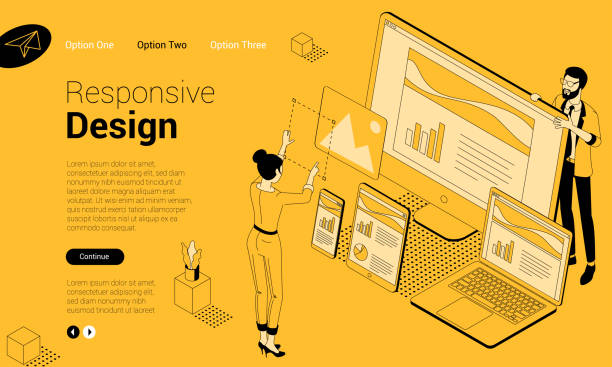
    Responsive Design

    Marketing and Landing Pages

    Marketing campaigns drive traffic from multiple devices. A high-impact area where website design is most important is landing pages.

    Responsive landing pages:

    • Improve conversion rates

    • Ensure CTA visibility

    • Adapt layouts per screen

    • Reduce drop-offs

    Every campaign’s success depends on responsive execution.

    Indian Digital Platforms and Growth Markets

    In India, mobile usage dominates internet access. One of the most practical answers where website design is most important is Indian websites.

    Digital initiatives and business platforms supported by the Ministry of Electronics and Information Technology emphasize mobile accessibility and responsive standards.

    website design ensures reach across diverse devices and network conditions.

    Responsive Design as a Business Strategy

    Website design is not just technical—it’s strategic. Businesses that prioritize responsiveness see higher engagement, better SEO, stronger conversions, and improved user satisfaction.

    Need expert help building a fully responsive website?

    Final Thoughts

    So, where website design is most important in 2026?
    On mobile-first experiences, e-commerce platforms, business websites, SEO performance, SaaS applications, content sites, local businesses, accessibility-focused platforms, marketing pages, and Indian digital ecosystems.

    website design is the foundation of modern web success.

    Explore more related articles to deepen your understanding

    Best Fonts for Branding: Create a Lasting Visual Identity

    SEO Content Writing: A Complete Guide for BeginnersDoes Google use Cloudflare

    Content Writing Basics: A Beginner’s Guide to Effective Writing
    What Is Copywriting

  • Where Businesses Use AI Web Design Tools in 2026

    Where Businesses Use AI Web Design Tools in 2026

    Where Businesses Use AI Web Design Tools

    In 2026, AI web design tools are no longer experimental—they are core business assets. Companies across industries use AI to design, optimize, and scale websites faster than ever. Understanding where businesses use web design tools reveals how modern websites are built with efficiency, personalization, and performance in mind.

    AI is reshaping every stage of web design.

    Startup and SaaS Company Websites

    One of the most common places where businesses use web design tools is startup and SaaS environments.

    Startups rely on AI for:

    • Rapid website prototyping

    • Landing page generation

    • UX flow optimization

    • A/B testing automation

    AI helps startups launch faster while maintaining professional design standards.

    E-Commerce and Online Stores

    E-commerce is a major area where businesses use web design tools.

    AI-powered design improves:

    • Product page layouts

    • Personalized recommendations

    • Dynamic homepage sections

    • Conversion-focused checkout UX

    AI adapts website design in real time based on user behavior and intent.

    Corporate and Enterprise Websites

    Large organizations use AI extensively. A significant space where businesses use AI web design tools is enterprise-level websites.

    AI supports:

    • Design system consistency

    • Multi-language layout adaptation

    • Accessibility compliance

    • Performance optimization at scale

    Enterprises use AI to maintain brand consistency across thousands of pages.

    Marketing and Landing Page Design

    Marketing teams are key users where businesses use web design tools.

    AI enhances:

    • Campaign-specific landing pages

    • Conversion-optimized layouts

    • CTA placement and messaging

    • Heatmap-based design decisions

    AI helps marketers design pages that convert, not just look good.

    AI Web Design

    UX Optimization and User Research

    Another important area where businesses use web design tools is UX research and optimization.

    AI analyzes:

    • User journey data

    • Click and scroll behavior

    • Drop-off points

    • Navigation efficiency

    Design improvements are driven by real user insights instead of assumptions.

    Mobile-First and Responsive Design

    Mobile design dominates in 2026. One of the strongest use cases where businesses use web design tools is responsive design.

    AI automatically:

    • Adapts layouts for devices

    • Optimizes touch interactions

    • Adjusts font sizes and spacing

    • Improves mobile performance

    This ensures seamless experiences across screens.

    Website Redesign and Modernization Projects

    Businesses frequently use AI during redesigns. A key reason where businesses use AI web design tools is website modernization.

    AI assists with:

    • Layout improvement suggestions

    • Content restructuring

    • UX pattern upgrades

    • Performance benchmarking

    Redesigns become data-driven instead of subjective.

    SEO and Performance Optimization

    SEO-focused design is another place where businesses use web design tools.

    AI helps with:

    • Page speed optimization

    • Core Web Vitals improvement

    • Content layout optimization

    • SEO-friendly structure

    Design and SEO now work together seamlessly through AI.

    Accessibility and Inclusive Design

    Accessibility is essential in 2026. One ethical and legal area where businesses use web design tools is inclusive design.

    AI supports:

    • WCAG compliance checks

    • Color contrast optimization

    • Screen reader compatibility

    • Keyboard navigation improvements

    This ensures websites are usable for everyone.

    Indian Businesses and Digital Platforms

    In India, AI-driven web design is growing rapidly. Many Indian startups, agencies, and enterprises use AI tools to scale digital presence efficiently.

    Government-backed digital standards and innovation initiatives promoted by the Ministry of Electronics and Information Technology encourage modern, AI-supported digital platforms.

    From Tools to Strategy

    AI web design tools are most effective when used strategically—not blindly. Businesses that align AI design with UX, branding, and business goals see the strongest results.

    Need expert help implementing AI-powered web design?

    Final Thoughts

    So, where businesses use AI web design tools in 2026?
    Across startups, e-commerce, enterprises, marketing teams, UX research, mobile design, website redesigns, SEO optimization, accessibility compliance, and Indian digital platforms.

    AI is no longer optional—it’s the foundation of modern web design.

    Explore more related articles to deepen your understanding

    Best Fonts for Branding: Create a Lasting Visual Identity

    SEO Content Writing: A Complete Guide for BeginnersDoes Google use Cloudflare

    Content Writing Basics: A Beginner’s Guide to Effective Writing
    What Is Copywriting

  • Where Website Design Trends Originate in 2026

    Where Website Design Trends Originate in 2026

    Where Website Design Trends Originate in 2026

    Website design trends don’t appear randomly. In 2026, trends are shaped by technology, user behavior, business needs, and data-driven insights. Understanding where website design trends originate in 2026 helps designers and businesses stay ahead instead of reacting too late.

    Modern design trends are born at the intersection of innovation and real-world usage.

    Technology Companies and Digital Platforms

    One of the primary places where website design trends originate in 2026 is major technology companies and digital platforms.

    Tech giants influence trends through:

    • New UI and UX guidelines

    • Platform design updates

    • Developer tools and frameworks

    • Performance and accessibility standards

    When platforms evolve, designers follow their patterns to ensure compatibility and usability.

    AI Design Tools and Automation Platforms

    AI plays a major role in shaping trends. A powerful source where website design trends originate in 2026 is AI-powered design tools.

    AI influences design trends by:

    • Analyzing user interaction data

    • Suggesting optimized layouts

    • Predicting UX preferences

    • Automating design variations

    AI tools turn data into trend insights faster than traditional methods.

    User Behavior and Experience Data

    Real users are one of the strongest trend drivers. A critical answer to where website design trends originate in 2026 is user behavior analytics.

    Trends emerge from:

    • Heatmaps and session recordings

    • Scroll depth and click patterns

    • Conversion and drop-off analysis

    • Device usage trends

    Design patterns that improve engagement quickly become trends.

    website design trends

    Search Engines and SEO Guidelines

    Search engines strongly influence design evolution. A major factor where website design originate in 2026 is search engine updates.

    Design trends respond to:

    • Core Web Vitals requirements

    • Mobile-first indexing

    • UX-based ranking signals

    • AI-driven search algorithms

    Design must evolve to meet visibility and ranking demands.

    Design Communities and Creative Platforms

    Creative communities remain trend incubators. Another key source where website design trends originate in 2026 is global design platforms.

    Popular sources include:

    • Dribbble and Behance

    • Awwwards and CSS galleries

    • UX and UI design communities

    • Open-source design systems

    Innovative ideas spread quickly through these ecosystems.

    Startups and Digital-First Businesses

    Startups often lead innovation. A strong indicator where website design trends originate in 2026 is fast-growing digital-first companies.

    Startups experiment with:

    • Bold layouts and interactions

    • New onboarding experiences

    • AI-driven personalization

    • Conversion-focused UX

    Successful experiments soon become mainstream trends.

    New Devices and Interaction Technologies

    Hardware innovation shapes design. Another place where website design trends originate in 2026 is emerging devices and interfaces.

    Examples include:

    • Foldable and multi-screen devices

    • Voice-first interfaces

    • AR and immersive experiences

    • Gesture-based navigation

    Design adapts quickly to how people interact with new technology.

    Global Markets and Cultural Shifts

    Design trends are increasingly global. Cultural changes influence where website design trends originate in 2026.

    Global factors include:

    • Regional design preferences

    • Language and accessibility needs

    • Local UX expectations

    • Cultural aesthetics

    Design trends evolve as businesses serve diverse audiences.

    Government and Accessibility Guidelines

    Accessibility and digital standards influence design direction. In India, inclusive digital practices align with guidelines supported by the Ministry of Electronics and Information Technology.

    These guidelines influence:

    • Accessible navigation patterns

    • Readable typography

    • Inclusive UX practices

    • Trust and compliance-driven design

    Such standards often shape long-term trends.

    Data-Driven Performance Insights

    Performance data fuels trends. A key modern answer where website design trends originate in 2026 is analytics and optimization data.

    Trends grow from:

    • A/B testing results

    • Conversion optimization experiments

    • Performance benchmarking

    • Engagement metrics

    Design choices that consistently perform well become trends.

    From Trend Origin to Strategy

    Understanding where trends originate helps businesses adopt the right trends—not just popular ones. Strategic adoption ensures design supports business goals, UX, and SEO.

    Get expert help to apply modern design trends effectively

    Final Thoughts

    So, where website design trends originate in 2026?
    From technology companies, AI design tools, user behavior data, search engine updates, creative communities, startups, new devices, global markets, accessibility guidelines, and performance analytics.

    Trends are born from data, shaped by users, and refined by technology.

    Explore more related articles to deepen your understanding

    Best Fonts for Branding: Create a Lasting Visual Identity

    SEO Content Writing: A Complete Guide for BeginnersDoes Google use Cloudflare

    Content Writing Basics: A Beginner’s Guide to Effective Writing

    What Is Copywriting