Category: Website Designing

Guides on UI, UX, layouts, homepage design, mobile-friendly design, responsive design, and user experience.

  • Web Design vs. Graphic Design: Key Differences to Know

    Web Design vs. Graphic Design: Key Differences to Know

    Web Design vs. Graphic Design: Key Differences to Know

    Understanding Web Design and Graphic Design

    When it comes to creating a digital presence, two terms often come up: web design and graphic design. While both are essential in the world of design, they serve different purposes and require distinct skill sets. Understanding the differences between web design and graphic design can help you make informed decisions for your projects and ensure you get the right expertise for your needs.

    In this blog, we’ll explore the key differences between web design and graphic design, their unique roles, and how they complement each other in the digital world.

    What is Web Design?

    1. The Role of Web Design

    Web design focuses on the creation and optimization of websites. It involves designing the layout, user interface (UI), and overall visual appearance of a website. Web designers work on elements like navigation, site architecture, and responsiveness to ensure that the website is user-friendly and functional across different devices.

    The primary goal of web design is to create an intuitive and engaging experience for users. This involves not only making the site visually appealing but also ensuring it is easy to navigate and performs well. Web designers often collaborate with developers to implement their designs using coding languages like HTML, CSS, and JavaScript.

    External Link: To dive deeper into the role of web design, check out this comprehensive guide to web design.

    2. Key Elements of Web Design

    • Layout and Structure: The arrangement of elements on a webpage, ensuring a logical flow and easy navigation.
    • User Experience (UX): Designing with the user in mind, focusing on how they interact with the site and ensuring a seamless experience.
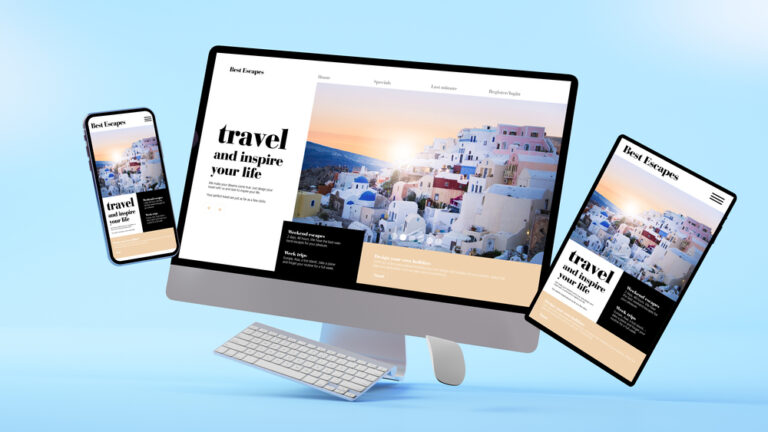
    • Responsiveness: Ensuring the website adapts to different screen sizes, from desktops to mobile devices.
    • Interactivity: Incorporating features like forms, buttons, and animations that engage users and enhance their experience.

    What is Graphic Design?

    1. The Role of Graphic Design

    Graphic design, on the other hand, is more focused on creating visual content for both digital and print media. Graphic designers work on projects such as logos, brochures, posters, social media graphics, and more. Their primary goal is to communicate a specific message or brand identity through visual elements like typography, color, imagery, and layout.

    Graphic design is all about creativity and artistic expression, using design principles to convey ideas visually. While graphic designers may create visuals for websites, their work is not limited to the web and extends to a variety of mediums.

    Internal Link: To see examples of high-quality graphic design work, visit our graphic design services page.

    2. Key Elements of Graphic Design

    • Typography: The art of arranging text in a way that is both aesthetically pleasing and readable.
    • Color Theory: Using color to evoke emotions and create visual harmony.
    • Imagery: Incorporating photos, illustrations, and icons to enhance the visual impact of a design.
    • Composition: Arranging visual elements to create a balanced and effective design.

    Web Design vs. Graphic Design: The Key Differences

    1. Medium and Function

    The primary difference between web design and graphic design lies in the medium they work with. Web design is focused on interactive digital environments, specifically websites. It requires an understanding of coding, user behavior, and web performance. Graphic design, however, is broader and spans both digital and print media, focusing more on visual storytelling and brand identity.

    Web Design vs. Graphic Design

    2. Skills and Tools

    Web designers often use tools like Adobe XD, Figma, and web development languages to create their designs. They need to understand user experience, responsive design, and how to optimize websites for speed and performance. Graphic designers, on the other hand, use tools like Adobe Photoshop, Illustrator, and InDesign to create static visuals that can be used in a variety of contexts.

    3. Flexibility and Adaptation

    Web design requires a high level of flexibility, as designs must adapt to different screen sizes and devices. Graphic design, while also requiring versatility, does not typically need to account for the same level of interactivity and responsiveness.

    External Link: For more insights into the differences between web design and graphic design, explore this detailed comparison.

    Conclusion

    While web design and graphic design share some common elements, they serve different purposes and require unique skill sets. Web design is all about creating functional, user-friendly websites, while graphic design focuses on visual communication across various mediums. Understanding these differences will help you choose the right professionals for your project, ensuring that your digital and print needs are met with expertise.

    For professional design services tailored to your needs, contact us at Digitor today.

    For further reading, consider exploring Smashing Magazine for design tips and trends, or visit AIGA for professional design resources and insights.

    Explore more related articles to deepen your understanding and make informed choices about graphic design techniques

    Why Custom Website Development is Essential for Your Brand

    How to Choose the Best Graphic Design Services for Your Business

  • Top Graphic Design Trends to Watch in 2024

    Top Graphic Design Trends to Watch in 2024

    Top Graphic Design Trends to Watch in 2024

    Introduction

    As we step into 2024, the world of graphic design continues to evolve, bringing new trends that reflect cultural shifts, technological advancements, and creative innovation. Staying ahead of these trends is crucial for designers and businesses alike, as it ensures that your designs remain fresh, relevant, and impactful. In this blog, we explore the top graphic design trends to watch in 2024, helping you stay informed and inspired for the year ahead.

    Key Graphic Design Trends for 2024

    1. Maximalism

    After years of minimalism reigning supreme, maximalism is making a strong comeback in 2024. This trend embraces bold colors, eclectic patterns, and an abundance of textures, creating designs that are vibrant, expressive, and unapologetically bold. Maximalism allows designers to push boundaries, experiment with contrasting elements, and create visually stimulating compositions that capture attention.

    2. 3D Design and Realism

    3D design continues to grow in popularity, with advancements in software making it more accessible and versatile. In 2024, we can expect to see an increased use of hyper-realistic 3D elements in graphic design, blurring the lines between digital and physical reality. From product mockups to immersive web experiences, 3D design adds depth, dimension, and a sense of realism that captivates audiences.

    3. AI-Generated Art

    Artificial Intelligence (AI) is revolutionizing the creative industry, and in 2024, AI-generated art is set to become a major trend. AI tools enable designers to create complex patterns, unique compositions, and even entire artworks with minimal effort. While some may fear that AI will replace human creativity, it’s more about enhancing the creative process, offering new possibilities, and pushing the boundaries of design.

    4. Retro Futurism

    Retro futurism blends nostalgic elements from past decades with futuristic aesthetics, creating a unique and intriguing visual style. In 2024, this trend will continue to gain momentum, with designers drawing inspiration from 80s and 90s sci-fi, neon colors, and pixelated graphics. Retro futurism evokes a sense of nostalgia while also looking forward, making it a powerful tool for storytelling and brand identity.

    Graphic design trends

    5. Kinetic Typography

    Typography is no longer static; kinetic typography is set to dominate in 2024. This trend involves animated and moving text, bringing a dynamic and engaging element to graphic design. Whether used in videos, websites, or social media content, kinetic typography adds energy and movement, capturing the viewer’s attention and conveying messages in a visually compelling way.

    6. Inclusive Design

    Diversity and inclusion are increasingly important in all aspects of design, and 2024 will see a continued focus on inclusive design practices. This trend emphasizes creating designs that are accessible and representative of all people, regardless of their abilities, race, gender, or age. Inclusive design not only broadens your audience but also builds brand trust and loyalty by showing that your business values diversity.

    7. Augmented Reality (AR) Integration

    As AR technology becomes more advanced and widely adopted, its integration into graphic design is a trend to watch in 2024. AR allows designers to create interactive experiences that blend the digital and physical worlds, offering users a new level of engagement. From interactive packaging to virtual try-ons, AR is transforming the way consumers interact with brands, making it a powerful tool for designers.

    8. Eco-Conscious Design

    Sustainability remains a top priority for consumers, and eco-conscious design will continue to be a key trend in 2024. This involves using sustainable materials, minimizing waste, and creating designs that promote environmental awareness. Whether it’s through minimalist packaging, recycled materials, or green-themed graphics, eco-conscious design aligns with the growing demand for environmentally responsible products and brands.

    9. Abstract and Surrealist Art

    Abstract and surrealist art will see a resurgence in 2024, with designers embracing these styles to create unique and thought-provoking visuals. These designs often feature dreamlike imagery, distorted perspectives, and unconventional color palettes, challenging viewers to see things from a different perspective. Abstract and surrealist art adds a layer of complexity and intrigue to graphic design, making it a powerful tool for storytelling.

    10. Handmade and Craft Aesthetics

    In a digital age, there’s a growing appreciation for

    the handmade and craft aesthetics in graphic design. In 2024, we’ll see a resurgence of designs that emphasize human touch, imperfections, and authenticity. This trend celebrates the beauty of hand-drawn illustrations, textured surfaces, and organic shapes, offering a tactile and personal feel that resonates with audiences. Handmade aesthetics evoke a sense of nostalgia and warmth, making them perfect for brands that value tradition and craftsmanship.

    Conclusion

    As 2024 unfolds, these graphic design trends will shape the creative landscape, offering new ways to connect with audiences and express brand identities. From the bold and eclectic nature of maximalism to the innovative potential of AI-generated art, these trends highlight the ever-evolving nature of design. Staying informed about these trends allows designers and businesses to remain relevant and impactful in a competitive market.

    Ready to incorporate these trends into your design projects? Contact us today to get started.

    For more on design trends, explore AIGA Eye on Design for cutting-edge inspiration, or visit Creative Bloq for the latest industry news.

    Explore more related articles to deepen your understanding and make informed choices about graphic design techniques

    Why Custom Website Development is Essential for Your Brand

    How to Choose the Best Graphic Design Services for Your Business

  • Enhancing User Experience Through Web Graphic Design

    Enhancing User Experience Through Web Graphic Design

    Enhancing User Experience Through Web Graphic Design

    Introduction

    In the digital landscape, web graphic design plays a crucial role in enhancing user experience (UX). A well-designed website not only captivates users visually but also ensures seamless interaction and satisfaction. This blog explores how web graphic design contributes to an improved user experience, focusing on key design elements and best practices.

    The Importance of Web Graphic Design in UX

    What is Web Graphic Design?

    Web graphic design involves creating visual content for websites, including layout, imagery, typography, and interactive elements. Its primary goal is to ensure that users find the website aesthetically pleasing and easy to navigate. Effective web graphic design enhances UX by creating a cohesive and engaging online experience.

    Why UX Matters

    User experience (UX) refers to the overall experience a user has while interacting with a website. A positive UX is crucial for retaining visitors, encouraging engagement, and driving conversions. Good UX design focuses on usability, accessibility, and satisfaction, making it an integral part of any successful website.

    Key Elements of Web Graphic Design That Enhance UX

    1. Visual Hierarchy

    Visual hierarchy involves arranging design elements in a way that guides users’ attention to the most important information. By using size, color, contrast, and spacing effectively, designers can create a clear and intuitive flow of information. This helps users quickly find what they’re looking for and improves their overall experience.

    2. Intuitive Navigation

    Navigation is a fundamental aspect of web design that directly impacts UX. A well-designed navigation system should be easy to use and understand. Incorporating clear labels, logical menu structures, and prominent call-to-action buttons helps users navigate the site effortlessly, reducing frustration and enhancing satisfaction.

    3. Responsive Design

    With the increasing use of mobile devices, responsive design has become essential. Responsive design ensures that a website looks and functions well across various screen sizes and devices. By adapting layouts, images, and interactive elements, designers can provide a consistent and enjoyable experience for users on desktops, tablets, and smartphones.

    4. Consistent Branding

    Consistency in branding helps build trust and recognition. Consistent use of colors, fonts, and imagery reinforces a brand’s identity and creates a cohesive visual experience. This consistency helps users feel more comfortable and familiar with the site, enhancing their overall experience.

    5. High-Quality Imagery

    Images play a significant role in web design, impacting both aesthetics and UX. High-quality, relevant images can make a website more engaging and visually appealing. They should be optimized for fast loading times to avoid negatively affecting site performance. Effective use of imagery enhances the user experience by making content more relatable and visually stimulating.

    Web graphic design

    6. Accessible Design

    Accessibility ensures that all users, including those with disabilities, can interact with a website effectively. Incorporating accessible design practices, such as providing alternative text for images, ensuring sufficient color contrast, and using keyboard-friendly navigation, helps create an inclusive user experience.

    Best Practices for Enhancing UX Through Web Graphic Design

    1. Conduct User Research

    Understanding your target audience is crucial for designing an effective UX. Conduct user research to gather insights into user preferences, behaviors, and pain points. This information will guide design decisions and help create a website that meets users’ needs and expectations.

    2. Test and Iterate

    Continuous testing and iteration are key to refining UX. Regularly test your website with real users to identify areas for improvement. Gather feedback, analyze user behavior, and make necessary adjustments to enhance the design and overall user experience.

    3. Focus on Performance

    Website performance affects UX significantly. Ensure that your web graphics are optimized for fast loading times to prevent delays and frustration. A well-performing website provides a smoother experience and keeps users engaged.

    4. Prioritize Usability

    Usability is a core component of UX. Design with the user in mind, prioritizing simplicity and ease of use. Avoid cluttered layouts, complex navigation, and confusing interactions. A user-friendly design enhances overall satisfaction and encourages return visits.

    Conclusion

    Web graphic design is a powerful tool for enhancing user experience. By focusing on visual hierarchy, intuitive navigation, responsive design, and consistent branding, designers can create websites that engage users and provide a seamless experience. Implementing best practices and continuously refining your design ensures that your website meets users’ needs and stands out in the digital landscape. Ready to enhance your website’s UX through expert web graphic design? Contact us to start your project today.


    For more insights on improving UX through web design, check out Smashing Magazine for design tips and resources, or visit Nielsen Norman Group for UX research and best practices.

    Explore more related articles to deepen your understanding and make informed choices about graphic design techniques

    Why Custom Website Development is Essential for Your Brand

    How to Choose the Best Graphic Design Services for Your Business

  • Website Design Services: Crafting Your Digital Identity

    Website Design Services: Crafting Your Digital Identity

    Website Design Services: Crafting Your Digital Identity

    Introduction to Website Design Services

    In today’s digital world, your website is often the first interaction potential customers have with your business. Website design services are essential in ensuring that this first impression is a positive one. A professionally designed website can enhance your brand, improve user experience, and ultimately drive more conversions. In this article, we will explore the key elements of website design services and how they can benefit your business.

    Key Elements of Website Design Services

    Responsive Design

    Responsive design is no longer optional; it’s a necessity. With a significant portion of web traffic coming from mobile devices, your website must be optimized to deliver a seamless experience across all screen sizes. Website design services ensure that your site is fully responsive, adapting to the user’s device for optimal viewing and interaction. This not only improves user experience but also boosts your site’s SEO rankings.

    User-Centered Design

    The best websites are designed with the user in mind. User-centered design focuses on creating a website that is intuitive, easy to navigate, and meets the needs of your audience. Professional website design services take the time to understand your target audience and create a site structure that guides users effortlessly through your content, leading them to take desired actions, whether it’s making a purchase, signing up for a newsletter, or contacting your business.

    Brand Integration

    Your website is a digital extension of your brand. Effective website design services ensure that your site reflects your brand’s identity, from the color scheme and typography to the tone of the content. Consistent branding across your website not only reinforces brand recognition but also builds trust with your audience.

    The Benefits of Professional Website Design Services

    Increased Credibility

    A professionally designed website instantly adds credibility to your business. It shows that you are serious about your brand and are willing to invest in quality. A well-designed site can make a strong first impression, giving visitors confidence in your products or services.

    Enhanced User Experience

    User experience (UX) is at the heart of website design. A site that is easy to navigate, loads quickly, and provides valuable content will keep users engaged and encourage them to return. Website design services focus on creating a smooth and enjoyable experience for users, which can lead to higher conversion rates and customer loyalty.

    SEO Optimization

    Search engine optimization (SEO) is crucial for driving traffic to your site. Professional website design services integrate SEO best practices into the design process, ensuring that your site is easily discoverable by search engines. This includes optimizing site speed, using clean code, and incorporating relevant keywords into your content and metadata.

    Website Design Services

    Why Invest in Website Design Services?

    Customization and Flexibility

    One of the main advantages of professional website design is the ability to create a custom website tailored to your specific business needs. Unlike generic templates, a custom-designed site allows for greater flexibility in terms of layout, functionality, and features. This customization ensures that your website stands out from the competition and aligns perfectly with your business goals.

    Long-Term Value

    While investing in professional website design may require a higher upfront cost, the long-term value it provides is well worth it. A well-designed website requires fewer updates, is easier to maintain, and can adapt to changing business needs over time. This means less time and money spent on redesigns and more focus on growing your business.

    Ongoing Support

    Professional website design often include ongoing support and maintenance, ensuring that your website remains up-to-date and functional. This support can include regular updates, security monitoring, and troubleshooting any issues that may arise. By partnering with a reliable website design service, you can focus on your core business while knowing that your website is in good hands.

    Conclusion

    Investing in website design is essential for any business looking to establish a strong online presence. From responsive design to SEO optimization, professional website design ensure that your website is not only visually appealing but also functional and effective. If you’re ready to elevate your online presence, consider partnering with a professional website design service to create a site that truly represents your brand and engages your audience.


    For more insights on website design, explore Smashing Magazine for design tips or visit Awwwards to see examples of award-winning website designs. Ready to get started? Contact us to learn more about our professional website design services.

    Read more related articles to enhance your knowledge and make informed decisions about cosmetic procedures.

    Why Custom Website Development is Essential for Your Brand

    Why Your Business Needs Professional Web Development Services

  • Interactive Website Design: Transforming User Engagement

    Interactive Website Design: Transforming User Engagement

    Interactive Website Design: Transforming User Engagement

    The Importance of Interactive Website Design

    In the digital age, where online presence is crucial for businesses, interactive website design stands out as a key element in engaging users and enhancing their overall experience. Unlike static websites, interactive designs encourage user participation, making the experience more dynamic and engaging. This not only keeps visitors on your site longer but also increases the chances of conversion, whether it’s making a purchase, signing up for a newsletter, or reaching out for more information.

    Key Elements of Interactive Website Design

    1. User-Centered Design (UCD)
      At the heart of interactive website design is User-Centered Design (UCD). This approach focuses on the needs, preferences, and behaviors of the users. By prioritizing user experience, businesses can create websites that are not only aesthetically pleasing but also functional and easy to navigate. Elements such as responsive layouts, intuitive navigation, and clear calls to action are critical components of UCD that contribute to a seamless user experience.
    2. Interactive Features
      Incorporating interactive features such as chatbots, quizzes, sliders, and interactive forms can significantly enhance user engagement. These features provide users with instant feedback and personalized interactions, making the website experience more tailored and relevant to their needs. For instance, an e-commerce site with an interactive product recommendation tool can guide users to products they are more likely to purchase, thus increasing sales.
    3. Multimedia Integration
      Another crucial aspect of interactive website design is the integration of multimedia elements such as videos, animations, and interactive infographics. These elements not only make the website more visually appealing but also help in conveying complex information in an easily digestible format. Interactive infographics, for example, can break down data into engaging visual narratives, making it easier for users to understand and retain information.

    Interactive Website Design

    Benefits of Interactive Website Design

    1. Enhanced User Engagement
      Interactive website design significantly boosts user engagement by creating a more immersive and personalized experience. When users are engaged, they are more likely to explore the site further, interact with content, and ultimately take the desired action, whether it’s filling out a contact form or making a purchase.
    2. Improved Conversion Rates
      An interactive website can lead to higher conversion rates by guiding users through a well-designed journey. Interactive elements such as clear calls to action, personalized recommendations, and interactive forms make it easier for users to find what they need and take the next step.
    3. SEO Benefits
      Search engines favor websites that provide a good user experience, and interactive designs can help in this regard. Features like fast load times, mobile responsiveness, and engaging content can improve your site’s SEO, making it easier for potential customers to find you online. Additionally, incorporating interactive elements can reduce bounce rates, as users are more likely to stay on your site longer.

    Implementing Interactive Design: Best Practices

    When implementing an interactive website design, it’s important to keep a few best practices in mind:

    • Focus on Speed: Ensure that interactive elements do not slow down your site. A fast-loading website is crucial for both user experience and SEO.
    • Mobile Responsiveness: Make sure your interactive elements work seamlessly across all devices. With the majority of users accessing websites via mobile, this is essential.
    • Simplicity is Key: While interactive features are beneficial, they should not overwhelm the user. Keep the design clean and simple, ensuring that interactions are intuitive.

    For businesses looking to enhance their online presence, investing in interactive website design is a strategic move. It not only improves user experience but also drives engagement, conversions, and SEO performance.

    Conclusion

    In today’s competitive digital landscape, interactive website design is no longer a luxury but a necessity. By focusing on user-centered design, integrating multimedia, and following best practices, businesses can create websites that not only attract visitors but also convert them into loyal customers. If you’re ready to take your website to the next level, consider reaching out to a professional web design service that specializes in interactive design.

    For further reading on interactive design, you might want to check out resources like Smashing Magazine and Awwwards.

    Read more related articles to enhance your knowledge and make informed decisions about cosmetic procedures.

    Why Custom Website Development is Essential for Your Brand

    Why Your Business Needs Professional Web Development Services

  • Website Designing Company in Delhi

    Website Designing Company in Delhi

    Why Choose a Website Designing Company in Delhi for Your Business?

    Introduction: The Significance of Choosing the Right Website Designing Company

    In today’s digital age, having a professionally designed website is crucial for business success. A well-designed website not only enhances your online presence but also attracts and engages potential customers. For businesses based in or around Delhi, partnering with a website designing company in Delhi offers several advantages. In this article, we’ll explore why choosing a local website designing company can be a strategic move for your business.

    The Benefits of Hiring a Local Website Designing Company

    Understanding the Local Market

    A website designing company in Delhi has a deep understanding of the local market, culture, and consumer behavior. They can tailor your website’s design and functionality to better resonate with your target audience. Local designers are familiar with regional preferences and trends, ensuring that your website aligns with local expectations and industry standards.

    Personalized Service and Communication

    Working with a local website designing company offers the advantage of personalized service and direct communication. You can have face-to-face meetings, which can facilitate clearer discussions and quicker resolutions of any issues. This level of personal interaction often leads to a more tailored and effective website design process.

    Faster Response Times

    Proximity often translates to faster response times. A local website designing company can address your queries, updates, and changes more promptly than a company based in a different time zone. This efficiency can be crucial when working on tight deadlines or during critical project phases.

    Knowledge of Local SEO

    Search Engine Optimization (SEO) is essential for increasing your website’s visibility in search engines. A website designing company in Delhi can provide valuable insights into local SEO practices, ensuring that your website is optimized for search terms relevant to your geographical location. This can help improve your rankings in local search results and drive more targeted traffic to your site.

    Access to Local Resources

    Local website designers often have established relationships with other local service providers, such as photographers, content writers, and marketing experts. This network can be beneficial for creating high-quality website content, graphics, and additional features that enhance your site’s overall quality and effectiveness.

    Key Services Offered by a Website Designing Company in Delhi

    Custom Website Design

    A reputable website designing company in Delhi will offer custom website design services tailored to your specific needs and brand identity. They will work closely with you to understand your business goals and create a unique, visually appealing website that stands out from the competition.

    Responsive Web Design

    With the increasing use of mobile devices, having a responsive website is essential. A local website designing company can ensure that your website is optimized for various screen sizes and devices, providing a seamless user experience across desktops, tablets, and smartphones.

    E-Commerce Solutions

    If your business involves selling products or services online, a website designing company in Delhi can help you develop a robust e-commerce platform. They can integrate features such as product catalogs, shopping carts, secure payment gateways, and inventory management systems to enhance your online store’s functionality and user experience.

    Website Designing Company in Delhi

    SEO and Digital Marketing

    In addition to website design, many local companies offer SEO and digital marketing services. They can help improve your website’s search engine rankings, drive targeted traffic, and develop effective online marketing strategies to increase your brand’s visibility and reach.

    Ongoing Support and Maintenance

    A reliable website designing company will also provide ongoing support and maintenance services. This ensures that your website remains up-to-date, secure, and functioning properly. Regular updates and technical support can help prevent issues and keep your site running smoothly.

    Choosing the Right Website Designing Company in Delhi

    Evaluate Their Portfolio

    When selecting a website designing company, review their portfolio to assess their design style and capabilities. Look for examples of their previous work and determine if their design approach aligns with your vision and requirements.

    Check Client Testimonials and Reviews

    Client testimonials and reviews provide valuable insights into a company’s reputation and customer satisfaction. Look for feedback from previous clients to gauge their experience and the quality of service provided.

    Discuss Your Needs and Budget

    Before finalizing a company, discuss your specific needs, goals, and budget. Ensure that the company can deliver the services you require within your budget and timeframe. A clear understanding of your project’s scope and expectations will help ensure a successful collaboration.

    Conclusion: The Advantages of Partnering with a Website Designing Company in Delhi

    Choosing a website designing company in Delhi can offer numerous benefits, including a deep understanding of the local market, personalized service, faster response times, and access to local resources. By working with a local expert, you can create a website that effectively represents your brand and meets your business objectives.

    Ready to enhance your online presence with a professionally designed website? Contact us to discover how our website designing services can help you achieve your goals and stand out in the digital world.

    External Links

    1. Why Choose a Local Web Design Company?
    2. The Importance of Local SEO for Your Business
    3. Contact Us to explore our website designing services and get started on your project.

    Read more related articles to enhance your knowledge and make informed decisions about cosmetic procedures.

    Why Custom Website Development is Essential for Your Brand

    Why Your Business Needs Professional Web Development Services

  • Mobile-Friendly Website Development: Reach Users on Any Device

    Mobile-Friendly Website Development: Reach Users on Any Device

    Mobile-Friendly Website Development: Reach Users on Any Device

    Introduction: The Importance of Mobile-Friendly Websites

    In today’s digital landscape, having a mobile-friendly website is no longer optional—it’s essential. With the increasing number of users accessing the internet via smartphones and tablets, businesses must ensure their websites are optimized for all devices. In this article, we’ll explore why mobile-friendly website development is crucial and how it can help you reach users on any device.

    The Rise of Mobile Internet Usage

    Mobile Traffic Outpacing Desktop

    Over the past decade, mobile internet usage has skyrocketed, surpassing desktop traffic in many regions. According to recent studies, more than half of all global web traffic now comes from mobile devices. This shift highlights the importance of developing websites that provide a seamless experience on smartphones and tablets. If your site isn’t optimized for mobile, you risk losing a significant portion of your audience.

    User Expectations for Mobile Experience

    Today’s users expect fast, responsive, and easy-to-navigate websites on their mobile devices. A mobile-friendly website ensures that your content is easily accessible, images load quickly, and navigation is intuitive. Meeting these expectations is critical to keeping visitors engaged and encouraging them to explore your site further.

    Key Elements of Mobile-Friendly Website Development

    Responsive Design

    Responsive design is the foundation of a mobile-friendly website. This approach ensures that your website’s layout automatically adjusts to fit the screen size of the device being used. Whether a user is browsing on a smartphone, tablet, or desktop, a responsive design provides a consistent and user-friendly experience. By implementing responsive design, you can reach users on any device without the need for separate mobile and desktop versions of your site.

    Optimized Load Times

    Mobile users are often on the go and expect websites to load quickly. Slow-loading pages can lead to high bounce rates, as users may abandon your site in favor of faster alternatives. Optimizing load times is a crucial aspect of mobile-friendly website development. This includes compressing images, minimizing code, and leveraging browser caching to ensure your site loads quickly on mobile devices.

    mobile-friendly website development

    Simplified Navigation

    Mobile screens are smaller, so it’s important to simplify your website’s navigation. Use a clean and straightforward menu that’s easy to access and doesn’t overwhelm users with too many options. Incorporating a mobile-friendly navigation bar or a hamburger menu can help users find what they’re looking for quickly and efficiently.

    Touch-Friendly Elements

    Since mobile users navigate websites using touchscreens, it’s important to ensure that all interactive elements—such as buttons, links, and forms—are touch-friendly. This means making buttons large enough to tap easily, spacing out links to prevent accidental clicks, and designing forms that are easy to fill out on a mobile device.

    Benefits of a Mobile-Friendly Website

    Improved User Experience

    A mobile-friendly website enhances the overall user experience, making it easier for visitors to interact with your content. When users have a positive experience on your site, they’re more likely to stay longer, explore more pages, and ultimately convert into customers. A well-designed mobile experience can lead to higher engagement and improved customer satisfaction.

    Higher Search Engine Rankings

    Search engines like Google prioritize mobile-friendly websites in their search results. In fact, Google’s mobile-first indexing means that the mobile version of your website is considered the primary version for ranking purposes. By investing in mobile-friendly website development, you can improve your search engine rankings, drive more organic traffic to your site, and increase your online visibility.

    Increased Conversion Rates

    A seamless mobile experience can lead to higher conversion rates. Whether your goal is to generate leads, sell products, or encourage sign-ups, a mobile-friendly website makes it easier for users to take action. By optimizing your site for mobile, you reduce friction in the user journey, making it more likely that visitors will complete desired actions.

    Common Challenges and How to Overcome Them

    Balancing Design and Functionality

    One of the challenges of mobile-friendly website development is balancing design and functionality. It’s important to create a visually appealing website that doesn’t compromise on performance. Focus on a clean, minimalist design that emphasizes functionality and user experience. Use high-quality images and graphics, but ensure they are optimized for quick loading.

    Testing Across Devices

    With so many different mobile devices on the market, testing your website across multiple platforms is essential. Make sure your site functions properly on various screen sizes, operating systems, and browsers. Regular testing and updates will help you identify and fix any issues, ensuring a consistent experience for all users.

    Conclusion: Reach More Users with a Mobile-Friendly Website

    In a world where mobile internet usage is dominant, having a mobile-friendly website is crucial for reaching and engaging your audience. By investing in mobile-friendly website development, you can improve user experience, boost search engine rankings, and increase conversion rates. Don’t let an outdated website hold your business back—make the shift to a mobile-friendly design and reach users on any device.

    Ready to optimize your website for mobile? Contact us to learn more about our mobile-friendly website development services.

    External Links

    1. The Importance of Responsive Web Design in 2024
    2. Why Mobile-Friendly Websites Matter for SEO
    3. Contact Us to discuss mobile-friendly website development.

    Read more related articles to enhance your knowledge and make informed decisions about cosmetic procedures.

    Why Custom Website Development is Essential for Your Brand

    Why Your Business Needs Professional Web Development Services

  • Is It Time for a Website Redesign? Here’s What to Consider

    Is It Time for a Website Redesign? Here’s What to Consider

    Is It Time for a Website Redesign? Here’s What to Consider

    Introduction: The Importance of Keeping Your Website Fresh

    In the fast-paced digital world, a business’s website is often the first point of contact with potential customers. As trends, technologies, and user expectations evolve, it’s crucial to keep your website up to date. But how do you know when it’s time for a website redesign? In this article, we’ll explore the key factors that signal the need for a redesign and what you should consider before making the investment.

    Signs That Your Website Needs a Redesign

    Outdated Design and User Experience

    The look and feel of your website play a significant role in how users perceive your brand. If your website’s design hasn’t been updated in several years, it may appear outdated or out of touch with modern aesthetics. An outdated design can lead to a poor user experience (UX), which can drive visitors away. Consider whether your website still aligns with current design trends and offers an intuitive, engaging experience for users.

    Poor Mobile Responsiveness

    With the majority of internet users accessing websites via mobile devices, mobile responsiveness is no longer optional—it’s essential. If your website isn’t optimized for mobile viewing, you’re likely losing out on a significant portion of potential customers. A website redesign can ensure that your site is fully responsive, providing a seamless experience across all devices.

    Slow Loading Times

    Website speed is a critical factor in user satisfaction and search engine ranking. If your website takes too long to load, visitors may leave before the page even finishes loading. Slow loading times can be caused by outdated code, large image files, or poorly optimized content. A redesign can help address these issues by streamlining your site’s code, optimizing images, and improving overall performance.

    Business Growth and Changing Needs

    Evolving Brand Identity

    As your business grows and evolves, so too should your website. If your brand identity has changed—whether it’s a new logo, color scheme, or messaging—your website should reflect these updates. A website redesign allows you to align your online presence with your current brand identity, ensuring consistency across all marketing channels.

    New Features and Functionality

    As your business expands, you may need to add new features and functionality to your website to better serve your customers. Whether it’s integrating an e-commerce platform, adding a blog, or implementing a customer portal, a website redesign can provide the opportunity to incorporate these enhancements. By updating your site, you can offer a more comprehensive and user-friendly experience for your visitors.

     Website Redesign

    Improved SEO and Online Visibility

    Search engine optimization (SEO) is essential for driving organic traffic to your website. If your site isn’t ranking well in search engine results, it may be time for a redesign. Modern SEO practices include optimizing your website’s structure, improving page load speeds, and creating high-quality content. A redesign can help ensure that your website is built with SEO best practices in mind, improving your chances of ranking higher in search results.

    Technological Advancements

    Keeping Up with the Latest Technology

    The digital landscape is constantly evolving, with new technologies emerging regularly. If your website is built on outdated technology, it may not be able to support the latest features or provide a secure experience for users. A website redesign allows you to take advantage of the latest advancements in web development, ensuring that your site is not only functional but also future-proof.

    Enhanced Security Measures

    With cyber threats on the rise, website security is more important than ever. If your website hasn’t been updated in a while, it may be vulnerable to security breaches. A redesign can help you implement the latest security measures, such as SSL certificates, secure payment gateways, and regular updates to protect your site and your customers’ data.

    What to Consider Before Redesigning

    Define Your Goals Website Redesign

    Before embarking on a website redesign, it’s essential to define your goals. What do you hope to achieve with the redesign? Are you looking to improve user experience, increase conversions, or better align your site with your brand identity

    ? Clearly outlining your objectives will help guide the redesign process and ensure that your new website meets your business’s needs.

    Analyze Your Current Website’s Performance

    Take a close look at your current website’s performance. Which pages are performing well, and which ones are underperforming? Use tools like Google Analytics to gather data on user behavior, page load times, and bounce rates. Understanding the strengths and weaknesses of your current site will inform your redesign strategy and help you focus on areas that need improvement.

    Consider Your Audience Website Redesign

    Your website should cater to the needs and preferences of your target audience. Consider who your users are, what they value, and how they interact with your site. A redesign offers the opportunity to create a more user-centric experience, tailoring content, design, and functionality to meet the expectations of your audience.

    Budget and Timeline Website Redesign

    A website redesign is a significant investment, both in terms of time and money. Determine your budget and timeline for the project before you begin. This will help you prioritize features and set realistic expectations for the redesign process. Keep in mind that while a redesign can be a considerable expense, it’s an investment in your business’s long-term success.

    Choosing the Right Partner

    Selecting the right web development partner is crucial to the success of your redesign. Look for a team with a strong portfolio, experience in your industry, and a clear understanding of your goals. A good web development partner will work closely with you to ensure that the redesign aligns with your vision and delivers the results you’re looking for.

    Conclusion: Time to Refresh Your Online Presence?

    If your website is outdated, not mobile-responsive, or failing to meet your business goals, it might be time for a redesign. By considering the factors outlined in this article, you can make an informed decision and embark on a redesign that enhances your online presence, improves user experience, and supports your business’s growth.

    Ready to take the next step? Contact us to discuss how we can help you create a website that truly reflects your brand and meets your business’s evolving needs.

    External Links

    1. Why Your Business Needs a Website Redesign
    2. The Importance of Responsive Web Design in 2024
    3. Contact Us to discuss your website redesign project.

    Read more related articles to enhance your knowledge and make informed decisions about cosmetic procedures.

    Why Custom Website Development is Essential for Your Brand

    Why Your Business Needs Professional Web Development Services

  • The Importance of Responsive Web Design in 2024

    The Importance of Responsive Web Design in 2024

    The Importance of Responsive Web Design in 2024

    Introduction: The Shift to Mobile-First

    As we move further into 2024, the digital landscape continues to evolve, and so do user expectations. With more people accessing the internet via mobile devices than ever before, the importance of responsive web design has reached new heights. Responsive web design ensures that your website looks and functions optimally on all devices, whether it’s a smartphone, tablet, or desktop computer. In this article, we’ll explore why responsive web design is crucial for businesses in 2024 and how it can impact your online success.

    What is Responsive Web Design?

    Responsive web design is an approach to web development that ensures a website’s layout and content adapt seamlessly to different screen sizes and devices. Instead of creating separate versions of a website for mobile and desktop users, a responsive design uses flexible grids, images, and CSS media queries to automatically adjust the layout. This ensures that users have a consistent and optimal experience, regardless of the device they’re using.

    The Growing Mobile User Base

    In 2024, the number of mobile internet users is expected to surpass 7.5 billion globally. This staggering statistic underscores the need for websites to be mobile-friendly. A website that isn’t optimized for mobile devices risks alienating a significant portion of its audience. Responsive web design allows businesses to cater to this growing mobile user base, providing a seamless experience that keeps users engaged and satisfied.

    Responsive Web Design in 2024

    Enhanced User Experience (UX)

    User experience (UX) is a critical factor in determining the success of a website. A responsive design improves UX by ensuring that content is easily accessible and navigable on any device. Users won’t have to pinch, zoom, or scroll excessively to view your website’s content, which reduces frustration and increases the likelihood of them staying on your site. In 2024, providing a smooth and intuitive user experience is essential for retaining visitors and converting them into customers.

    SEO Benefits of Responsive Web Design

    Search engine optimization (SEO) is another area where responsive web design plays a crucial role. Google and other search engines prioritize mobile-friendly websites in their search results. In fact, Google uses mobile-first indexing, meaning it predominantly uses the mobile version of a website for indexing and ranking. A responsive design ensures that your website meets Google’s criteria for mobile-friendliness, improving your chances of ranking higher in search results.

    Faster Load Times

    One of the key factors that affect both user experience and SEO is page load time. Responsive websites are often faster to load because they are optimized for different devices and use fewer resources. Faster load times not only improve the user experience but also reduce bounce rates and increase the time users spend on your site—both of which are positive signals to search engines. In 2024, where users expect instant access to information, a responsive website that loads quickly is essential for maintaining a competitive edge.

    Cost-Effective and Easier Maintenance

    Managing separate websites for different devices can be costly and time-consuming. Responsive web design offers a cost-effective solution by allowing you to maintain a single website that works across all devices. This not only reduces development and maintenance costs but also simplifies your content management efforts. Updates can be made universally, ensuring that all users have access to the latest content and features. In 2024, where efficiency and cost-effectiveness are key business priorities, responsive design offers a significant advantage.

    The Future of Responsive Design

    As technology continues to advance, the concept of responsive web design will evolve. In 2024, we can expect to see more emphasis on responsive design elements that cater to emerging devices such as foldable phones, smartwatches, and even augmented reality (AR) interfaces. Staying ahead of these trends will require businesses to adopt a forward-thinking approach to responsive design, ensuring that their websites remain accessible and functional on the latest devices.

    Adapting to User Behavior

    User behavior is constantly changing, and businesses must adapt to these shifts to remain relevant. In 2024, users expect websites to be more personalized, interactive, and visually engaging. Responsive design will play a crucial role in meeting these expectations by enabling businesses to deliver tailored experiences that resonate with their audience. Whether it’s through dynamic content, adaptive layouts, or interactive elements, responsive design will continue to be a driving force in creating user-centric websites.

    Conclusion: Responsive Web Design is a Must in 2024

    In conclusion, responsive web design is no longer a luxury—it’s a necessity in 2024. With the increasing dominance of mobile devices, the need for a seamless and consistent user experience across all platforms is more important than ever. Responsive design not only enhances user experience but also boosts SEO, improves load times, and offers cost-effective website management. As the digital landscape continues to evolve, businesses that prioritize responsive web design will be better positioned to succeed in a mobile-first world.

    If you’re ready to future-proof your website with responsive design, contact us today to learn more about our web development services.

    External Links

    1. Why Responsive Web Design is More Important Than Ever
    2. Google’s Mobile-First Indexing Best Practices
    3. Contact Us to learn more about our web development services.

    Read more related articles to enhance your knowledge and make informed decisions about cosmetic procedures.

    Why Custom Website Development is Essential for Your Brand

    Why Your Business Needs Professional Web Development Services

  • what website design guide is the best strategy ?

    what website design guide is the best strategy ?

    “The Best Website Design Guide: Strategies for a User-Friendly and Effective Website”

    Creating a website can be a complex and overwhelming task, but with the right design guide, you can ensure that your website is both user-friendly and effective. In this blog, we’ll explore some of the best website design guide strategies to help you create a website that engages and converts your visitors.

    Know your audience
    One of the most important aspects of website design is understanding your target audience. Knowing your audience will help you create a website that is tailored to their needs and interests. By understanding what your audience is looking for, you can ensure that your website provides the information and resources they need in a format that is easy to understand and navigate.

    Focus on usability
    Usability is a critical factor when it comes to website design. A website that is easy to use and navigate will provide a better user experience for your visitors, leading to increased engagement and conversions. To ensure a good user experience, focus on creating a clean, uncluttered layout that is easy to read and navigate.

    Make it mobile-friendly
    With the increasing use of mobile devices to access the internet, it’s more important than ever to have a mobile-friendly website design. A mobile-responsive website will provide a better user experience for your visitors, regardless of the device they’re using. Make sure to choose a design that is optimized for mobile devices and test it on different devices to ensure it looks and works great on all of them.

    Use clear and concise content
    Clear and concise content is essential for a good user experience. Visitors should be able to quickly and easily find the information they’re looking for, without having to sift through pages of content. Use clear headings, bullet points, and concise paragraphs to make your content easy to understand and navigate.

    Incorporate visuals
    Visuals can be a powerful tool when it comes to website design. They can help break up long blocks of text, making your content easier to read and understand. Incorporate high-quality images, infographics, and other types of visuals to make your website more engaging and visually appealing.

    Optimize for search engines
    Optimizing your website for search engines is also an important aspect of website design. This includes using keywords in your content, meta descriptions, and image alt tags, as well as creating a sitemap and using header tags. By optimizing your website for search engines, you’ll make it easier for visitors to find your site when they search for keywords related to your business or industry.

    Use a consistent design
    Finally, it’s important to use a consistent design throughout your website. This includes using a consistent color scheme, typography, and imagery. A consistent design will help create a professional and cohesive look for your website, making it more aesthetically pleasing and user-friendly.

    In conclusion, the best website design guide will help you create a website that is user-friendly, effective, and optimized for search engines. By focusing on your target audience, usability, mobile responsiveness, clear and concise content, visuals, and a consistent design, you’ll be well on your way to creating a website that engages and converts your visitors. So, whether you’re starting from scratch or looking to update your existing site, keep these strategies in mind and take the time to create a website that provides a positive user experience for your visitors.