
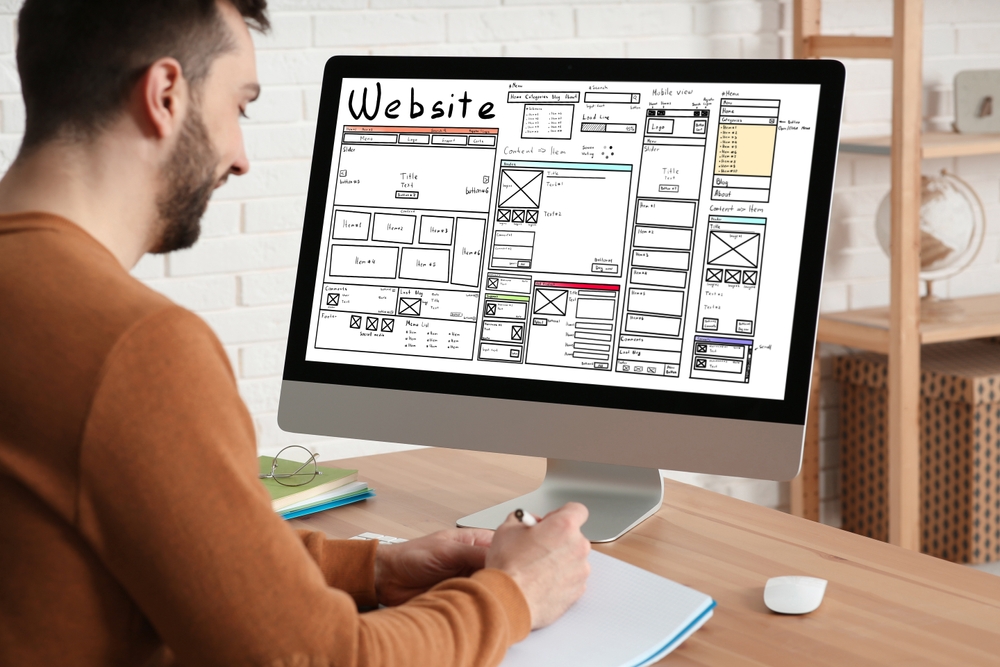
How to Design a Website in 2026
Designing a website in 2026 is no longer just about aesthetics—it’s about intelligence, usability, speed, and inclusivity. Modern websites must adapt to user behavior, search engines, and emerging technologies. Understanding how to design a website in 2026 helps businesses create digital platforms that are future-ready, conversion-focused, and scalable.
A successful website today blends design, technology, and strategy into one seamless experience.
Start With User Research and Intent
The first step in how to design a website in 2026 is understanding users. Design decisions should be based on real user needs, not assumptions.
Focus on:
-
User goals and pain points
-
Search intent and behavior
-
Device and browsing patterns
-
Accessibility needs
User-centric design ensures the website solves problems, not just looks good.
Adopt a Mobile-First Design Approach
Mobile usage dominates digital traffic, making mobile-first design essential. A core principle of how to design a website in 2026 is designing for mobile screens first, then scaling up for larger devices.
Mobile-first design includes:
-
Thumb-friendly navigation
-
Simple layouts
-
Fast loading on mobile networks
-
Responsive scaling across devices
If it doesn’t work on mobile, it doesn’t work at all.
Build With UX as the Foundation
User experience is the backbone of modern websites. When learning how to design a website in 2026, UX should guide every layout, interaction, and feature.
Strong UX design focuses on:
-
Clear navigation paths
-
Logical content hierarchy
-
Minimal friction in user journeys
-
Easy access to key actions
A smooth UX keeps users engaged and improves conversions.

Integrate AI-Powered Features
AI plays a major role in modern web design. A key part of how to design a website in 2026 is making the site AI-ready.
AI integration enables:
-
Personalized content and layouts
-
Smart recommendations
-
AI chatbots and support systems
-
Predictive navigation
AI helps websites adapt dynamically to each user.
Prioritize Speed and Performance
Website speed directly impacts UX, SEO, and conversions. That’s why performance optimization is central to how to design a website in 2026.
Best practices include:
-
Lightweight frameworks
-
Optimized images and media
-
Clean, efficient code
-
Fast hosting and caching
Users expect websites to load instantly—anything slower leads to drop-offs.
Design for Accessibility From the Start
Accessibility is no longer optional. Inclusive design is a critical step in how to design a website in 2026.
Accessible design includes:
-
Readable typography and contrast
-
Screen-reader-friendly structure
-
Keyboard and voice navigation
-
Clear visual hierarchy
In India, digital accessibility and inclusive design are strongly encouraged by initiatives from the Ministry of Electronics and Information Technology.
Create SEO-Optimized Structure and Content
Design and SEO now work together. A major part of how to design a website in 2026 is building SEO into the design phase.
SEO-focused design includes:
-
Clean URL structures
-
Proper heading hierarchy
-
Internal linking
-
Schema-ready layouts
Websites designed for search engines gain better visibility and long-term traffic.
Use Purposeful Visual Design
Visuals still matter—but only when they serve a purpose. In how to design a website in 2026, design should enhance usability, not distract users.
Modern visual principles include:
-
Minimalist layouts
-
Consistent branding
-
Micro-interactions for feedback
-
Balanced use of animations
Every design element should support user goals.
Ensure Security and Trust Signals
Trust is built through design. A modern website must visibly communicate safety and transparency.
Security-focused design includes:
-
HTTPS and SSL
-
Clear privacy policies
-
Secure forms and checkouts
-
Transparent messaging
Trust signals directly influence user confidence and conversions.
Plan for Scalability and Future Growth
A website designed in 2026 must be flexible and scalable. This is a crucial step in how to design a website in 2026 for long-term success.
Future-ready websites allow:
-
Easy updates and feature additions
-
Integration with AI tools and CRMs
-
Performance stability as traffic grows
Scalability saves time and cost in the long run.
Get Expert Support for Modern Website Design
Designing a future-ready website requires the right strategy, tools, and expertise. If you’re planning to build or redesign a website in 2026, professional guidance ensures better results.
Talk to web design experts here
Final Thoughts
So, how to design a website in 2026?
By focusing on users, adopting mobile-first design, integrating AI, prioritizing UX, ensuring accessibility, optimizing for SEO, and building scalable, secure platforms
Explore more related articles to deepen your understanding
Best Fonts for Branding: Create a Lasting Visual Identity
SEO Content Writing: A Complete Guide for BeginnersDoes Google use Cloudflare
Content Writing Basics: A Beginner’s Guide to Effective Writing