Author: naaz

  • Creating a Brand Identity: A Complete Guide for Businesses

    Creating a Brand Identity: A Complete Guide for Businesses

    Introduction

    In today’s competitive digital landscape, creating a brand identity is no longer optional—it’s essential. A strong brand identity helps businesses establish credibility, build emotional connections with customers, and stand out in crowded markets. Whether you’re a startup or an established company, having a clear identity ensures consistency across all touchpoints, from your logo to your messaging.

    What is Brand Identity?

    Brand identity is the visual and emotional representation of your business. It’s how your audience perceives you, interacts with you, and remembers you. Unlike branding, which focuses on strategy, brand identity covers the tangible elements—logos, fonts, colors, tone of voice, and design style. Together, these components create a recognizable and consistent impression.

    Key Elements of Creating a Brand Identity

    1. Define Your Brand Purpose and Values

    Every strong brand begins with clarity. Ask yourself:

    • Why does your business exist?

    • What values drive your decisions?

    • What problems are you solving for customers?

    Defining these will ensure your brand identity feels authentic and aligned with your mission.

    Creating a Brand Identity

    2. Choose the Right Visual Elements

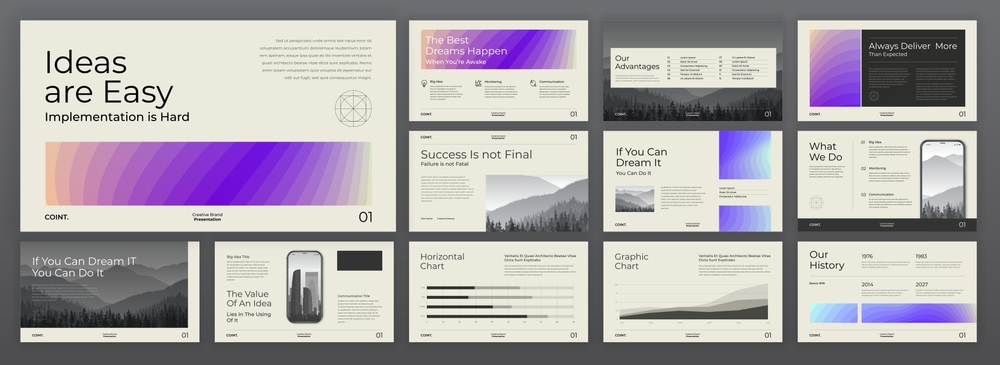
    • Logo: The centerpiece of your identity, simple yet memorable.

    • Color Palette: Colors evoke emotions; for example, blue conveys trust, while red signals passion.

    • Typography: Fonts should reflect your brand personality, whether minimalist, bold, or elegant.

    • Imagery Style: Consistent photography, icons, or illustrations help strengthen recognition.

    3. Develop a Consistent Voice

    Creating a brand identity also means defining how your business sounds. Is your tone professional, friendly, playful, or authoritative? Consistent communication across your website, ads, and social media helps build trust and familiarity.

    4. Craft a Memorable Customer Experience

    Your brand identity extends beyond visuals. How customers experience your service—online or offline—shapes their perception. From website design to packaging, consistency is key.

    Why Creating a Brand Identity Matters

    1. Recognition – A distinct identity helps customers instantly recognize your brand.

    2. Trust – Consistency builds credibility and fosters long-term relationships.

    3. Differentiation – In saturated markets, identity helps set you apart.

    4. Emotional Connection – A well-crafted brand identity resonates with your target audience, making them loyal advocates.

    Tips for Building a Strong Brand Identity

    • Keep your design simple and timeless.

    • Stay consistent across all marketing platforms.

    • Regularly evaluate and adapt your identity as markets evolve.

    • Invest in professional design and content writing for credibility.

    Conclusion

    Creating a brand identity is about more than design—it’s about building an emotional connection with your audience. From your logo to your messaging, every element should communicate your values, personality, and purpose. A strong identity sets your business apart and builds lasting customer trust.

    Need help with branding or design? Contact Digitor today and let experts shape your unique identity.

    For more insights on brand building, check out this Indian branding agency’s guide on effective strategies.

    Explore more related articles to deepen your understanding

    Best Fonts for Branding: Create a Lasting Visual Identity

    SEO Content Writing: A Complete Guide for BeginnersDoes Google use Cloudflare

    Content Writing Basics: A Beginner’s Guide to Effective Writing

  • Logo Design Tips: Create a Memorable Brand Identity

    Logo Design Tips: Create a Memorable Brand Identity

    Introduction

    A logo is often the first impression people have of your business. It represents your brand identity and communicates your values at a glance. Whether you are a startup or an established business, creating a professional logo requires creativity, strategy, and attention to detail. In this blog, we’ll share practical logo design tips that can help you create a design that is simple, memorable, and impactful.

    Why Logo Design Matters

    Your logo is not just a symbol—it’s a powerful marketing tool. A well-designed logo builds trust, enhances recognition, and sets you apart from competitors. When done right, your logo becomes the foundation of your brand identity across websites, social media, packaging, and more.

    If you want expert help with professional branding and website design, you can contact us here.

    Top Logo Design Tips for a Strong Brand Identity

    1. Keep It Simple

    Simplicity is the golden rule of logo design. Avoid clutter and stick to clean, minimalist designs. A simple logo is easier to recognize, reproduce, and remember.

    2. Make It Memorable

    Think of iconic logos like Nike’s swoosh or Apple’s bitten apple. A strong logo design sticks in the minds of your audience. Use unique shapes, creative fonts, or meaningful symbols to leave a lasting impression.

    3. Focus on Versatility

    Your logo should look good everywhere—whether it’s on a website, business card, billboard, or mobile app. Test it in different sizes and backgrounds to ensure versatility.

    4. Choose the Right Font

    Typography plays a huge role in how your brand is perceived. Serif fonts often feel traditional, while sans-serif fonts appear modern and clean. Make sure your font style aligns with your brand personality.

    5. Select Colors Carefully

    Colors evoke emotions and influence perception. Blue often conveys trust, red signifies energy, and green is linked to growth. Pick colors that represent your brand values while ensuring readability.

    6. Aim for Timelessness

    Trends come and go, but your logo should remain relevant for years. Focus on classic design principles rather than chasing temporary styles.

    7. Test Across Audiences

    Before finalizing your logo, test it with different people. Gather feedback to see how your audience perceives it and whether it delivers the intended message.

    Logo design tips

    Common Logo Design Mistakes to Avoid

    • Overcomplicating the design with too many elements

    • Using random colors without strategy

    • Copying other brands’ designs

    • Ignoring scalability for digital and print media

    • Choosing hard-to-read fonts

    Tools and Resources for Logo Design

    There are several free and paid tools available to help create professional logos. Online platforms like Canva, Adobe Express, and Looka make it easy for beginners to design attractive logos. However, for a unique and brand-specific logo, working with professional designers is always the best choice.

    For inspiration, you can also check design-focused resources such as Designhill India which provides creative design services.

    Conclusion

    A logo is more than just an image—it’s the face of your brand. By following these logo design tips, you can create a logo that resonates with your audience, communicates your values, and builds lasting recognition. Remember, the best logos are simple, versatile, and timeless.

    If you’re looking to create a professional logo that stands out, get in touch with us to bring your brand vision to life.

    Explore more related articles to deepen your understanding

    Best Fonts for Branding: Create a Lasting Visual Identity

    SEO Content Writing: A Complete Guide for BeginnersDoes Google use Cloudflare

    Content Writing Basics: A Beginner’s Guide to Effective Writing

  • Minimalist Font Styles: Elevating Design with Simplicity

    Minimalist Font Styles: Elevating Design with Simplicity

    Introduction to Minimalist Font Styles

    Minimalist font styles are becoming a leading choice in modern digital and print design. With their clean lines, balanced spacing, and subtle elegance, these fonts create a polished look that communicates clarity and professionalism. Whether you’re designing a website, creating brand identity, or crafting digital content, minimalist fonts bring focus to the message without unnecessary distractions.

    In the fast-paced digital world, audiences appreciate designs that are easy to read and visually appealing. Minimalist font styles not only deliver this but also add a timeless quality to your brand.

    Why Minimalist Font Styles Are Popular in Modern Design

    Minimalism in design is about removing clutter and focusing on the essentials. Similarly, minimalist font styles strip away excessive decoration, leaving only the clean, readable structure of the typeface.

    Key Benefits of Minimalist Fonts

    1. Readability – Fonts like Helvetica, Lato, or Roboto ensure smooth readability across devices.

    2. Timelessness – Minimalist font styles remain modern for years without appearing outdated.

    3. Professionalism – Clean typography instantly elevates brand perception.

    4. Versatility – These fonts fit websites, logos, presentations, and marketing material equally well.

    Many global and Indian brands prefer minimalist font styles because they appeal to diverse audiences while ensuring consistency in digital branding.

    Examples of Font Styles

    If you’re considering using minimalist fonts in your design projects, here are a few top choices:

    • Helvetica – A classic, highly versatile sans-serif font.

    • Montserrat – Clean and modern, ideal for digital platforms.

    • Roboto – Widely used in web design, balancing readability with style.

    • Open Sans – Perfect for professional content and user-friendly designs.

    • Futura – Geometric and elegant, often used for branding.

    These minimalist font styles allow brands to establish a cohesive identity that is simple yet powerful.

    Minimalist Font Styles

    Fonts in Web and Brand Design

    When designing websites or branding materials, font choice plays a huge role in how customers perceive your business. Minimalist font styles make a brand look sophisticated while keeping the content engaging.

    For example, a website using Montserrat or Roboto feels modern and approachable. In contrast, serif minimalist fonts like Merriweather provide a more classic and refined tone. Designers often combine two minimalist fonts—one for headlines and another for body text—to create balance and contrast.

    If you want expert guidance on using minimalist font styles for your digital projects, you can contact our team for professional design services.

    How to Choose the Right Font Style

    When selecting font styles, keep these points in mind:

    • Brand Personality – Choose a font that reflects your business tone (modern, classic, friendly, or corporate).

    • Readability Across Devices – Test fonts on both mobile and desktop for clarity.

    • Pairing – Combine a bold headline font with a subtle body font.

    • Consistency – Use the same minimalist fonts across all platforms for brand recognition.

    For more design insights, you can also check resources like Design India Magazine which showcases how Indian designers use typography effectively.

    Conclusion: Font Styles for Timeless Design

    Font styles are more than just a trend—they are a design strategy that enhances communication, builds brand trust, and creates a visually appealing identity. Whether for websites, logos, or digital content, these fonts allow your brand to stand out with clarity and professionalism.

    Adopting minimalist fonts in your design ensures that your content remains timeless, versatile, and effective. If you’re ready to explore the best typography choices for your brand, reach out through our contact page and let’s create a design strategy that works for you.

    Explore more related articles to deepen your understanding

    Best Fonts for Branding: Create a Lasting Visual Identity

    SEO Content Writing: A Complete Guide for BeginnersDoes Google use Cloudflare

    Content Writing Basics: A Beginner’s Guide to Effective Writing

  • Professional Content Writing: Build Credibility & Connect with Your Audience

    Professional Content Writing: Build Credibility & Connect with Your Audience

    Introduction to Professional Content Writing

    In today’s competitive digital world, professional content writing has become the backbone of successful online strategies. Whether you are running a website, managing a blog, or promoting your business on social media, content plays a crucial role in attracting and engaging audiences. Well-crafted writing helps you stand out, build authority, and establish a meaningful connection with readers.

    Professional content writing goes beyond simply putting words together—it requires strategy, research, and creativity. From keyword optimization to audience-focused storytelling, it ensures that your business gains visibility and credibility.

    Why Professional Content Writing Matters

    High-quality professional content writing ensures that your brand voice remains consistent across platforms. A professional writer knows how to balance creativity with SEO, making your content appealing to both readers and search engines. This not only helps boost your rankings but also keeps visitors engaged.

    Moreover, professional content acts as a bridge between your business and your audience. It delivers your message in a clear, compelling, and persuasive way, encouraging trust and conversions.

    For businesses, investing in professional content writing means investing in long-term growth. Unlike paid ads, quality content continues to attract traffic and generate leads over time.

    Key Benefits of Professional Content Writing

    1. Improves Brand Authority

    Consistent, polished, and informative content positions your business as an expert in your field. Readers are more likely to trust and return to a brand that provides valuable insights.

    2. Enhances SEO Rankings

    Professional writers understand the importance of SEO. By naturally including keywords, structuring content properly, and maintaining readability, they help websites rank higher on search engines.

    3. Engages and Educates the Audience

    A major benefit of professional content writing is its ability to engage readers while also educating them about your products or services. This builds credibility and nurtures long-term relationships.

    4. Boosts Conversions

    When written strategically, content can guide readers through the sales funnel—converting visitors into loyal customers.

    Professional Content Writing

    Essential Elements of Content Writing

    Research-Driven Approach

    Professional writers don’t just write; they research. They analyze target audiences, competitors, and industry trends to ensure the content is relevant and impactful.

    SEO Integration

    Every piece of content should be optimized for search engines without compromising readability. The right use of headings, keywords, and internal links improves discoverability.

     For example, you can connect with expert content writers here to elevate your business presence online.

    Storytelling and Tone

    Content writing should reflect the brand’s personality. Whether formal, conversational, or persuasive, the tone must align with the target audience’s expectations.

    Proofreading and Editing

    Professional writers ensure error-free and polished content that enhances credibility. Grammar, formatting, and flow are carefully reviewed before publishing.

    Professional Content Writing in India

    India is becoming a hub for digital marketing and content services. Many businesses are outsourcing content writing to Indian agencies and freelancers due to their expertise and affordability. According to The Economic Times, India’s digital marketing industry is expanding rapidly, creating vast opportunities for quality content services.

    This shows that businesses worldwide trust Indian writers to deliver content that meets global standards.

    Conclusion

    Content writing is more than just words on a page—it is about creating meaningful connections, building trust, and driving business growth. With the right content strategy, your brand can achieve better visibility, stronger engagement, and higher conversions.

    If you are looking to enhance your business with expert writing, don’t hesitate to reach out to professionals here who can craft tailored content for your brand.

    Explore more related articles to deepen your understanding

    Best Fonts for Branding: Create a Lasting Visual Identity

    SEO Content Writing: A Complete Guide for BeginnersDoes Google use Cloudflare

    Content Writing Basics: A Beginner’s Guide to Effective Writing

  • Free Professional Fonts: Elevate Your Brand Design

    Free Professional Fonts: Elevate Your Brand Design

    Introduction

    Fonts play a vital role in shaping your brand identity and overall visual communication. The right typography not only enhances readability but also conveys your brand personality. For businesses and creators, finding free professional fonts that maintain style and quality is essential. Fortunately, today’s digital world offers numerous high-quality, free typefaces that rival paid ones. In this blog, we’ll explore why fonts matter, the benefits of using professional styles, and where to find the best free options to uplift your brand presence.

    Why Free Professional Fonts Matter

    Typography goes beyond aesthetics. It impacts how your audience perceives your message and brand credibility. Choosing the right free professional fonts ensures that your brand looks polished without stretching your budget. Startups, freelancers, and small businesses can benefit greatly from professional fonts that are easy to access and free for commercial use.

    A professional font ensures:

    • Consistency across platforms (websites, social media, print).

    • Trustworthiness by creating a professional appearance.

    • Brand personality that aligns with your identity, whether elegant, modern, or bold.

    Benefits of Using Free Professional Fonts

    Using free professional fonts provides several advantages for designers, entrepreneurs, and marketers.

    1. Cost-Effective Branding

    Not every business can afford premium font licenses. Free fonts eliminate this barrier while still offering sleek and professional looks.

    2. Creative Versatility

    Many free fonts come in multiple weights and styles, allowing flexibility in design for websites, logos, or marketing materials.

    3. Accessibility and Ease of Use

    Most professional free fonts are hosted on reliable platforms like Google Fonts, ensuring fast access and cross-device compatibility.

    4. Legal Peace of Mind

    Free professional fonts often come with open licenses, making them safe for commercial use. This prevents legal issues while giving brands freedom to experiment.

    Best Sources for Free Professional Fonts

    Here are some trusted platforms where you can find excellent free fonts:

    • Google Fonts: A popular resource offering hundreds of free, web-safe fonts suitable for both personal and commercial projects.

    • Font Squirrel: Known for carefully curated, license-friendly fonts.

    • DaFont: Offers a wide variety of styles but requires checking licenses for commercial use.

    • Indian Type Foundry (ITF): A reliable Indian font resource that provides unique free and premium fonts.

    These platforms ensure you access fonts that are modern, elegant, and optimized for digital use.

    Top Professional Fonts for 2025

    When choosing fonts, ensure they align with your brand’s tone. Here are some excellent free professional fonts worth considering:

    1. Lora – A serif font perfect for blogs and long-form reading.

    2. Montserrat – A modern sans-serif font ideal for corporate websites.

    3. Poppins – Popular for startups and tech businesses due to its clean look.

    4. Raleway – Elegant and stylish, great for logos and branding.

    5. Merriweather – Perfect for professional reports and editorial content.

    Each of these fonts offers readability, versatility, and professionalism — crucial factors in digital marketing.

    How to Choose the Right Professional Font

    Selecting the best font involves considering design, purpose, and audience. Keep in mind:

    • Readability: Ensure the font is easy to read on multiple devices.

    • Consistency: Use no more than 2–3 fonts across branding to avoid clutter.

    • Scalability: Choose fonts that look good on both large billboards and small mobile screens.

    • Relevance: A playful font might suit a children’s brand, while a bold, minimalist font fits a tech company.

    If you’re unsure, consulting a digital marketing or branding professional can guide you in choosing the perfect font that resonates with your business vision. You can contact us here for expert advice.

    Final Thoughts

    Typography is one of the strongest tools in design. Professional fonts make it possible to establish a strong visual identity without extra costs. By selecting the right fonts, your business can appear more trustworthy, stylish, and engaging.

    Whether you’re rebranding, building a new website, or creating content, remember that fonts are more than just letters — they’re a voice for your brand. Explore reliable platforms like Google Fonts or the Indian Type Foundry, and use fonts that align with your audience and goals.

    Ready to elevate your design with professional fonts? Start exploring today and give your brand the polished edge it deserves.

    Explore more related articles to deepen your understanding

    Best Fonts for Branding: Create a Lasting Visual Identity

    SEO Content Writing: A Complete Guide for BeginnersDoes Google use Cloudflare

    Content Writing Basics: A Beginner’s Guide to Effective Writing

  • Writing for Online Audiences: Crafting Content That Engages

    Writing for Online Audiences: Crafting Content That Engages

    Introduction

    In today’s digital-first world, writing for online audiences requires more than just good grammar and storytelling. Online readers have shorter attention spans, demand clarity, and expect content that is both engaging and easy to consume. Whether you are a business, blogger, or brand, mastering the art of writing for online audiences can help you increase visibility, drive conversions, and build lasting digital relationships.

    This blog explores strategies, techniques, and best practices for effective online content writing that resonates with readers and search engines alike.

    Why Writing for Online Audiences Matters

    Unlike traditional print, online platforms compete with endless distractions—notifications, ads, and other open tabs. This means your content must be sharp, concise, and user-focused. Writing for online audiences isn’t just about presenting information; it’s about making sure your audience finds value, relevance, and solutions quickly.

    Benefits of effective online writing:

    • Builds brand trust and credibility

    • Improves SEO rankings

    • Engages readers, reducing bounce rates

    • Drives conversions and leads

    Writing for Online Audiences

    Key Techniques for Writing for Online Audiences

    1. Use Clear, Simple Language

    Readers online prefer skimmable and straightforward content. Avoid jargon unless absolutely necessary. Simple sentences and active voice make your content more engaging.

    2. Structure Content with Headings and Subheadings

    Break content into sections with H1, H2, and H3 tags. This improves readability and boosts SEO. For example, this blog uses structured headings to guide readers smoothly through the topic.

    3. Incorporate Keywords Naturally

    When writing for online audiences, using keywords strategically is vital for SEO. Avoid stuffing; instead, integrate them naturally within headings, subheadings, and body text. For instance, the keyword writing for online audiences is used multiple times here.

    4. Make Content Scannable

    Most online readers skim. Use bullet points, numbered lists, and short paragraphs to highlight key points. Bold or italicize important phrases to capture attention.

    5. Add Visuals and Links

    Images, infographics, and relevant links enrich content. Adding an internal link like contact us helps guide readers toward action, while an external link to a trusted Indian source enhances authority.

    Adapting Content for Online Platforms

    Writing for online audiences also means adapting your style depending on the platform.

    • Websites: Keep content professional, concise, and SEO-focused.

    • Blogs: Offer value-driven, detailed content with storytelling elements.

    • Social Media: Be conversational, visual, and emotionally engaging.

    • Emails: Personalize and keep it short with a clear call to action.

    SEO and Online Writing Go Hand in Hand

    SEO is at the core of effective online writing. By aligning your content with search intent, you ensure that your blogs and web pages reach the right audience. Important SEO practices include:

    • Using target keywords 5–6 times per post

    • Writing compelling meta descriptions

    • Optimizing for mobile and fast loading speeds

    • Adding both internal and external links

    When executed properly, these practices help your content rank higher, attract more readers, and convert better.

    Conclusion

    Mastering writing for online audiences is not just a skill but a necessity for digital success. From structuring your content with headings to optimizing it for SEO and making it scannable, every detail plays a role in engaging readers.

    If you’re ready to elevate your digital presence with professional content strategies, connect with us here. Effective writing can transform how your brand communicates online—driving traffic, boosting engagement, and building lasting customer trust.

    Explore more related articles to deepen your understanding

    Best Fonts for Branding: Create a Lasting Visual Identity

    SEO Content Writing: A Complete Guide for BeginnersDoes Google use Cloudflare

    Content Writing Basics: A Beginner’s Guide to Effective Writing

  • Choosing the Right Font: Enhance Your Brand Identity

    Choosing the Right Font: Enhance Your Brand Identity

    Introduction

    Typography plays a crucial role in how your audience perceives your brand. Fonts are more than just letters; they are visual elements that communicate mood, professionalism, and credibility. Choosing the right font can elevate your design, improve readability, and create a strong impression on your target audience. In today’s digital-first world, making the correct font choice is essential for websites, branding, and marketing.

    In this blog, we’ll explore why choosing the right font matters, how to pick the perfect one for your project, and the best practices for enhancing your brand identity through typography.

    Why Choosing the Right Font Matters

    The font you use says a lot about your brand. Imagine a law firm using playful, handwritten typography—it wouldn’t inspire trust. On the other hand, a children’s clothing brand using bold, corporate-style fonts would look unapproachable.

    Choosing the right font ensures that your message aligns with your audience’s expectations. Fonts directly influence:

    • Readability: Clean fonts improve user experience.

    • Brand Personality: Fonts express whether your brand is modern, elegant, casual, or professional.

    • Emotional Impact: Typography sets the tone—serious, playful, trustworthy, or creative.

    Serif vs. Sans-Serif: Which One to Choose?

    When choosing the right font, one of the first decisions is whether to go with serif or sans-serif styles.

    • Serif Fonts (like Times New Roman, Georgia): Traditional, trustworthy, and professional. They are often used by newspapers, books, and formal brands.

    • Sans-Serif Fonts (like Arial, Helvetica, Open Sans): Modern, minimal, and versatile. They are ideal for digital platforms and startups that want a fresh, clean identity.

    A smart way to decide is to analyze your industry. A luxury brand may benefit from a serif font, while a tech startup might shine with sans-serif.

    Choosing the Right Font

    Best Practices for Choosing the Right Font

    1. Match Fonts with Brand Personality

    Your brand’s tone should align with typography. A playful font works for lifestyle brands, while elegant fonts suit fashion and luxury industries.

    2. Prioritize Readability

    No matter how stylish a font looks, if it’s not easy to read, it will drive users away. Simple, balanced fonts work best for websites and digital platforms.

    3. Use Font Pairing Wisely

    When choosing the right font, pairing two fonts (a header font and a body font) can create balance. For example, a bold sans-serif for headings and a clean serif for paragraphs.

    4. Keep Mobile Users in Mind

    With mobile traffic dominating online activity, ensure your fonts look sharp and readable on smaller screens.

    5. Stay Consistent Across Platforms

    Consistency builds recognition. The same font style should reflect across your website, logo, marketing materials, and social media graphics.

    Common Mistakes to Avoid

    • Using too many font styles in one design.

    • Choosing overly decorative fonts for body text.

    • Ignoring spacing and line height.

    • Following trends blindly instead of focusing on brand needs.

    Avoiding these mistakes will make choosing the right font a smoother and more effective process.

    Real-World Inspiration

    Many Indian brands have perfected their typography strategies. For example, The Hindu uses serif fonts to reflect trust and tradition, while e-commerce platforms like Flipkart use sans-serif for a modern, easy-to-read design.

    If you’re a business owner, designer, or marketer struggling with font choices, getting professional support can help you achieve a consistent and impactful brand identity.

    Conclusion

    Typography is not just about aesthetics—it’s about communication. Choosing the right font is one of the simplest yet most powerful ways to influence your audience’s perception of your brand. From readability to emotional impact, the right font makes your brand stand out while ensuring professionalism and trust.

    If you want to take your digital branding and design strategy to the next level, connect with us at Digitor. Our team can help you select fonts, design layouts, and craft content that resonates with your audience.

    Explore more related articles to deepen your understanding

    Best Fonts for Branding: Create a Lasting Visual Identity

    SEO Content Writing: A Complete Guide for BeginnersDoes Google use Cloudflare

    Content Writing Basics: A Beginner’s Guide to Effective Writing

  • Digital Content Marketing: Boost Your Online Success

    Digital Content Marketing: Boost Your Online Success

    What is Digital Content Marketing?

    Digital content marketing is the art of creating, publishing, and sharing valuable content to attract and retain a target audience. Instead of relying solely on paid ads, it focuses on building trust, offering solutions, and engaging customers through meaningful content. Whether through blogs, videos, social media posts, or infographics, content marketing helps brands stay visible in the digital space.

    Why Digital Content Marketing Matters

    In today’s fast-paced digital world, every business competes for attention. Content marketing plays a vital role in:

    • Building brand authority – High-quality content establishes your expertise.

    • Driving organic traffic – Optimized content helps you rank better on search engines.

    • Nurturing customer relationships – Engaging stories keep your audience connected.

    • Boosting conversions – Well-crafted content motivates readers to take action.

    For example, a business offering web design services can publish blogs, case studies, and tutorials to showcase expertise while helping potential clients.

    Key Elements of a Digital Content Marketing Strategy

    1. Define Your Audience

    Knowing your target audience is crucial. Understand their challenges, interests, and preferences to create tailored content that speaks directly to them.

    2. Choose the Right Content Formats

    Content can take many forms:

    • Blog articles for SEO growth

    • Social media posts for engagement

    • Videos for storytelling

    • Case studies for credibility

    • Infographics for easy-to-digest insights

    3. Optimize for SEO

    Without SEO, your content may remain unseen. Use relevant keywords, meta descriptions, and internal links (such as contact us) to improve search rankings.

    4. Distribute Across Platforms

    Sharing content on multiple platforms—your website, social media, newsletters—maximizes reach and visibility.

    5. Measure and Refine

    Track analytics like website traffic, click-through rates, and conversions. This data helps refine your digital content marketing strategy for better results.

    Digital Content Marketing

    Benefits of Digital Content Marketing for Businesses

    When implemented well, digital content offers long-term growth:

    • Increased brand awareness

    • Higher search engine rankings

    • Better customer engagement

    • Cost-effective lead generation

    For instance, an Indian e-commerce brand that shares engaging product videos and customer stories on social media can build trust and drive repeat sales. You can also explore resources from YourStory to learn how Indian startups are leveraging content marketing.

    Future of Digital Content Marketing

    Trends like AI-driven personalization, voice search optimization, and interactive content (quizzes, polls, and AR/VR experiences) are shaping the future of marketing. Brands that adapt quickly to these innovations will stand out.

    Conclusion

    Digital content isn’t just about posting online—it’s about creating a strategy that connects with people, builds trust, and drives results. By focusing on quality, consistency, and creativity, businesses can ensure long-term success in a competitive digital space.

    Ready to grow your business with digital content ? Get in touch here.

    Explore more related articles to deepen your understanding

    Best Fonts for Branding: Create a Lasting Visual Identity

    SEO Content Writing: A Complete Guide for BeginnersDoes Google use Cloudflare

    Content Writing Basics: A Beginner’s Guide to Effective Writing

  • Handwritten Font Styles: Adding Personality to Your Brand

    Handwritten Font Styles: Adding Personality to Your Brand

    Introduction to Handwritten Font Styles

    Typography plays a crucial role in shaping brand identity, and handwritten font styles have become increasingly popular in creative design. Unlike standard typefaces, these fonts bring a sense of warmth, authenticity, and human touch to digital and print materials. From logos to social media graphics, handwritten fonts create an emotional connection with audiences, making them ideal for businesses looking to stand out.

    Why Handwritten Font Styles Matter

    Handwritten fonts do more than just look stylish. They convey personality and make content appear more approachable. Here’s why they’re important:

    1. Authenticity – They mimic natural handwriting, helping your brand feel genuine.

    2. Creativity – Handwritten fonts offer unique variations, perfect for artistic or lifestyle brands.

    3. Memorability – A distinct handwritten style can make your logo or website unforgettable.

    4. Versatility – They can be playful, elegant, bold, or minimal depending on design needs.

    By using handwritten font styles strategically, businesses can achieve a balance of creativity and professionalism.

    Popular Uses of Handwritten Fonts

    1. Logo Design

    Many modern brands are turning to handwritten fonts for logos to highlight creativity and originality. A logo with a handwritten script often feels personal and welcoming.

    2. Social Media Graphics

    Adding handwritten text overlays to social posts helps capture attention and boosts engagement.

    3. Website Design

    Incorporating handwritten font styles in headers or call-to-actions can give your website a unique flair and enhance user experience.

    4. Marketing Campaigns

    From packaging to email marketing, handwritten fonts can make your campaigns feel more personal.

    Handwritten Font Styles

    Choosing the Right Handwritten Font Style

    Not all handwritten fonts are the same. Some are casual and playful, while others are elegant and refined. Consider the following when choosing:

    • Brand Personality – Does your brand lean toward luxury, creativity, or fun?

    • Readability – Ensure the font remains clear, even at smaller sizes.

    • Consistency – Match the handwritten style with your overall typography strategy.

    If you want professional guidance in selecting fonts for branding, connect with experts here.

    Best Examples of Handwritten Font Styles

    Here are a few popular styles:

    • Brush Script – Bold, artistic, and great for creative industries.

    • Modern Calligraphy – Elegant, often used for luxury brands and invitations.

    • Casual Handwriting – Informal, approachable, and perfect for lifestyle blogs.

    • Signature Fonts – Minimalist, sleek, and widely used in personal branding.

    You can explore font collections on Indian font platforms or design marketplaces for inspiration.

    Final Thoughts

    Handwritten font styles add a human touch to digital and print design, making brands feel more relatable and unique. Whether for logos, websites, or social media, they provide an emotional connection that traditional fonts often lack. By choosing the right handwritten font style, you can enhance your brand’s personality and leave a lasting impression on your audience.

    If you’re ready to create a custom design strategy for your business, reach out today.

    Explore more related articles to deepen your understanding

    Best Fonts for Branding: Create a Lasting Visual Identity

    SEO Content Writing: A Complete Guide for BeginnersDoes Google use Cloudflare

    Content Writing Basics: A Beginner’s Guide to Effective Writing

  • Copywriting for Brands: Building Stronger Connections with Words

    Copywriting for Brands: Building Stronger Connections with Words

    Introduction

    In today’s digital-first world, copywriting for brands has become more than just writing catchy taglines. It’s about creating a voice that represents the brand’s personality, resonates with its audience, and drives action. Whether through websites, ads, or social media, strong brand copy builds trust and improves conversions. In this blog, we’ll explore the importance of copywriting for brands, essential techniques, and how businesses can use it to strengthen their identity.

    Why Copywriting for Brands Matters

    A brand is not just a logo or design—it’s a story. The words you use to tell that story define how people perceive your business. Effective copywriting for brands ensures:

    • Consistency: A unified voice across platforms builds recognition.

    • Emotional Connection: Compelling words make customers feel understood.

    • Conversions: Clear, persuasive copy encourages action, whether it’s a purchase, sign-up, or inquiry.

    • Brand Differentiation: Unique copy makes you stand out in a competitive market.

    For example, brands like Amul in India have mastered copywriting by blending wit, cultural relevance, and consistency, making their ads memorable for decades.

    Key Elements of Effective Copywriting for Brands

    1. Define Your Brand Voice

    Every brand needs a voice—professional, playful, luxury-driven, or casual. Before writing copy, define how your brand should sound. Is it friendly like Zomato’s app notifications or sophisticated like a luxury fashion brand? The right voice builds authenticity.

    2. Know Your Audience

    Copywriting for brands must address customer pain points, needs, and desires. Research your audience thoroughly. Writing directly to them creates a sense of trust and relevance.

    3. Be Clear and Concise

    People scan content quickly, especially online. Avoid jargon and keep messages simple yet powerful. For instance, Nike’s tagline, Just Do It, captures motivation in just three words.

    4. Use Storytelling

    Humans connect with stories more than facts. Weave stories into your brand copy to make it relatable and memorable. Case studies, customer testimonials, or narratives about your brand journey can work wonders.

    5. Add a Strong Call-to-Action (CTA)

    Every piece of brand copy should guide readers toward an action. Whether it’s “Buy Now,” “Sign Up,” or “Get Started,” clear CTAs ensure higher engagement.

    Copywriting Techniques That Elevate Brands

    Emotional Triggers

    Use words that appeal to emotions—joy, trust, excitement, or even urgency. Phrases like “Don’t miss out” or “Be the first to experience” can create curiosity and action.

    Power of Persuasion

    Incorporate persuasion techniques such as scarcity (“limited time offer”), social proof (“trusted by 10,000+ users”), and benefits-driven messaging.

    SEO-Friendly Copy

    Blend creativity with SEO by naturally including keywords like copywriting for brands in blogs, ads, and landing pages. This not only boosts search visibility but also ensures your content reaches the right audience.

    Benefits of Professional Copywriting for Brands

    • Enhances brand visibility across platforms.

    • Builds emotional loyalty among customers.

    • Improves conversion rates through persuasive CTAs.

    • Creates a consistent identity across marketing materials.

    • Saves time and ensures quality with expert writers.

    If you’re looking for tailored content solutions, connect with our team today via Digitor Contact to explore how professional copywriting can elevate your brand.

    Best Practices for Brand Copywriting

    • Maintain tone consistency across platforms.

    • Focus on benefits, not just features.

    • Keep sentences short and engaging.

    • Use visual hierarchy with bold words and headings.

    • Test your copy with real users to ensure clarity.

    Conclusion

    In an era where attention spans are short, copywriting for brands plays a crucial role in building lasting connections with customers. The right words can transform a business from being just another company into a memorable brand. From storytelling and emotional triggers to SEO optimization, effective copywriting is the bridge between your brand and its audience.

    By investing in professional copywriting, brands can create messages that inspire, engage, and convert. Remember: design catches the eye, but words win the heart.

    Explore more related articles to deepen your understanding

    Best Fonts for Branding: Create a Lasting Visual Identity

    SEO Content Writing: A Complete Guide for BeginnersDoes Google use Cloudflare

    Content Writing Basics: A Beginner’s Guide to Effective Writing