Category: Graphic Designing

Guides on graphic design services, marketing visuals, social creatives, ad creatives, thumbnails, banners, and brand communication assets.

  • Exploring Digital Illustration in Modern Graphic Design

    Exploring Digital Illustration in Modern Graphic Design

    Exploring Digital Illustration in Modern Graphic Design

    Introduction

    Digital illustration has transformed the world of graphic design, offering new ways to create visually captivating and innovative content. Unlike traditional illustration, digital illustration leverages technology to provide flexibility, precision, and an array of creative possibilities. In this blog, we’ll delve into how is shaping modern graphic design and explore its benefits and applications.

    What is Digital Illustration?

    Defining Digital Illustration

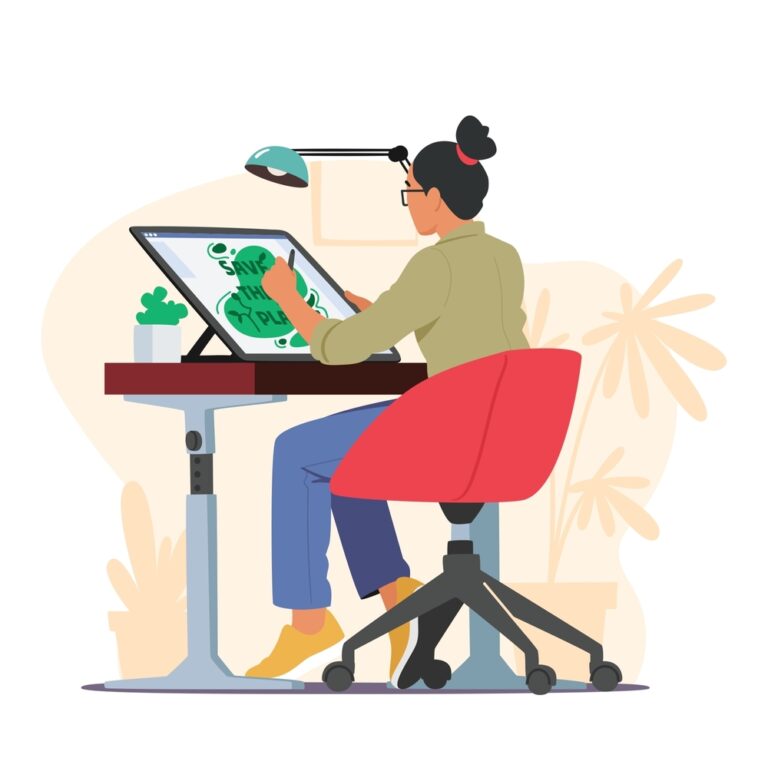
    Digital illustration refers to artwork created or enhanced using digital tools and software. Unlike traditional illustration, which uses physical mediums like pencils or paints, is produced on computers or tablets with graphic design software. This approach allows artists to experiment with various styles, techniques, and effects with greater ease and efficiency.

    The Evolution of Digital Illustration

    Digital illustration has evolved significantly over the years, thanks to advancements in technology. Early were simple and limited by hardware constraints, but today’s sophisticated software offers artists a vast array of tools and options. This evolution has broadened the scope of what’s possible in graphic design, enabling more complex and visually stunning creations.

    Benefits of Digital Illustration in Graphic Design

    1. Flexibility and Experimentation

    One of the most significant advantages of  is the flexibility it offers. Artists can easily make changes, experiment with different styles, and try out various color palettes without the need for physical materials. This flexibility not only speeds up the design process but also allows for greater creativity and experimentation.

    2. Precision and Control

    Digital tools provide a level of precision and control that’s difficult to achieve with traditional methods. Artists can create intricate details, adjust elements with pixel-perfect accuracy, and fine-tune their work to meet exact specifications. This precision is particularly valuable in graphic design, where details can make a significant difference in the final product.

    Digital illustration

    3. Efficiency and Speed

    Digital illustration can streamline the design process, making it faster and more efficient. Features like layers, undo options, and digital brushes allow artists to work more quickly and make adjustments on the fly. This efficiency is crucial in meeting tight deadlines and managing multiple projects simultaneously.

    4. Easy Integration with Other Digital Media

    Digital illustrations can be easily integrated with other digital media, such as animations, interactive graphics, and web design elements. This integration allows for cohesive and dynamic visual content that enhances user engagement and overall design quality.

    Applications of Digital Illustration in Graphic Design

    1. Branding and Identity

    Digital illustration plays a vital role in branding and identity design. Custom illustrations can help create a unique and memorable brand image that sets a business apart from its competitors. From logos and icons to mascots and brand patterns,  adds a personal touch to brand identity.

    2. Marketing and Advertising

    In marketing and advertising,  are used to create eye-catching visuals that capture attention and convey messages effectively. Whether it’s for social media graphics, print ads, or promotional materials, can make content more engaging and visually appealing.

    3. User Interface (UI) Design

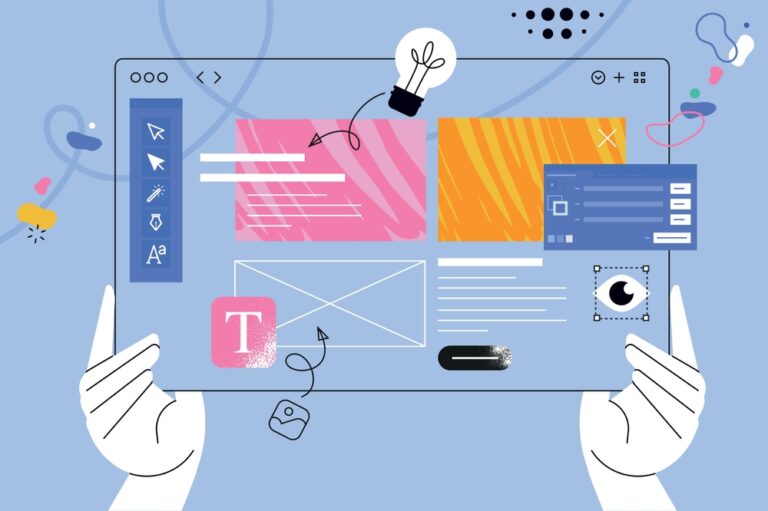
    Digital illustration is increasingly used in user interface (UI) design to enhance the visual appeal and usability of digital products. Custom icons, illustrations, and graphics can improve navigation, highlight key features, and create a more intuitive user experience.

    4. Editorial Design

    In editorial design,  add visual interest to articles, magazines, and books. They can help break up text, illustrate complex concepts, and create a cohesive look throughout the publication. in editorial design enhance readability and engagement.

    Getting Started with Digital Illustration

    Choosing the Right Tools

    To get started with  you’ll need the right tools. Popular software options include Adobe Illustrator, CorelDRAW, and Procreate. Additionally, a graphic tablet or stylus can enhance your drawing experience and precision. Choosing the right tools depends on your specific needs and preferences.

    Learning and Practice

    Digital illustration requires practice and a willingness to learn. Online tutorials, courses, and design communities can provide valuable resources and feedback. Experimenting with different techniques and styles will help you develop your skills and find your unique artistic voice.

    Staying Updated

    The field of  is constantly evolving with new tools, techniques, and trends. Staying updated on the latest developments and incorporating them into your work will keep your designs fresh and relevant.

    Conclusion

    Digital illustration is a powerful tool in modern graphic design, offering unparalleled flexibility, precision, and creative potential. By leveraging digital tools and techniques, designers can create stunning visuals that enhance branding, marketing, and user experiences. Ready to explore the possibilities of  for your next project? Contact us to get started.

    For more insights into digital illustration and its impact on graphic design, check out Smashing Magazine for design trends and resources, or visit Creative Bloq for tips and inspiration.

    Explore more related articles to deepen your understanding and make informed choices about graphic design techniques

    Why Custom Website Development is Essential for Your Brand

    How to Choose the Best Graphic Design Services for Your Business

  • The Role of Graphic Design in Effective Visual Communication

    The Role of Graphic Design in Effective Visual Communication

    The Role of Graphic Design in Effective Visual Communication

    Introduction

    In a world dominated by visuals, graphic design has become an essential tool for effective communication. Whether it’s a business promoting its products, a non-profit raising awareness, or an individual expressing creativity, graphic design plays a crucial role in conveying messages visually. This blog explores how graphic design enhances visual communication, making complex ideas more accessible and engaging.

    Understanding Visual Communication

    What is Visual Communication?

    Visual communication is the process of conveying ideas and information through visual elements. It includes everything from images and symbols to typography and layout. Unlike verbal communication, which relies on words, visual communication uses visuals to convey messages quickly and efficiently. In today’s fast-paced world, where attention spans are short, effective visual communication is more important than ever.

    Why Graphic Design is Essential

    Graphic design is the art and practice of planning and projecting ideas and experiences with visual and textual content. It’s the backbone of visual communication, transforming ideas into visual forms that resonate with audiences. A well-designed graphic can capture attention, convey a message, and evoke emotions—all within a matter of seconds.

    Key Components of Graphic Design in Visual Communication

    1. Imagery and Symbols

    Images and symbols are powerful tools in graphic design. They can convey complex ideas quickly and without the need for words. For example, a simple icon can represent a whole concept, such as a heart symbol for love or a lightbulb for ideas. In visual communication, using the right imagery can make a message more impactful and easier to understand.

    2. Typography

    Typography is the art of arranging text in a visually appealing way. The choice of font, size, spacing, and color can significantly impact how a message is perceived. In graphic design, typography is used not only to present information but also to evoke certain emotions or emphasize particular points. Consistent and thoughtful use of typography enhances the clarity and effectiveness of visual communication.

    3. Color Theory

    Color is one of the most influential elements in graphic design. Different colors evoke different emotions and can influence how a message is received. For example, blue is often associated with trust and calm, while red can evoke energy and urgency. Understanding color theory allows graphic designers to use color strategically in visual communication to align with the intended message.

    4. Layout and Composition

    The layout and composition of a design refer to how visual elements are arranged on a page. A well-composed layout guides the viewer’s eye through the content in a logical and engaging way. It helps prioritize information, ensuring that the most important elements are seen first. Effective layout and composition are key to making visual communication clear, organized, and aesthetically pleasing.

    How Graphic Design Enhances Visual Communication

    Simplifying Complex Information

    One of the primary roles of graphic design in visual communication is to simplify complex information. Through the use of infographics, charts, and diagrams, graphic designers can break down intricate data into easily digestible visuals. This makes it easier for audiences to understand and retain information, even if the subject matter is complex.

    Creating Emotional Connections

    Graphic design has the power to evoke emotions and create connections with the audience. Whether it’s through the use of color, imagery, or typography, design elements can be crafted to elicit specific emotional responses. For example, a warm color palette and friendly font might create a sense of comfort and approachability, while bold colors and sharp lines might evoke a feeling of strength and urgency.

    Enhancing Brand Identity

    Graphic design is also crucial in establishing and reinforcing a brand’s identity. Consistent use of design elements, such as logos, colors, and fonts, helps create a recognizable brand image. This consistency in visual communication ensures that every interaction with the brand is cohesive and reinforces the brand’s message and values.

    Visual communication

    Improving User Experience

    In digital media, graphic design plays a critical role in user experience (UX). A well-designed website or app is not only visually appealing but also easy to navigate and use. Good graphic design enhances the user experience by making interfaces intuitive, ensuring that users can interact with the content seamlessly.

    Conclusion

    Graphic design is a powerful tool in communication, making it possible to convey messages clearly, effectively, and emotionally. From simplifying complex information to enhancing brand identity, graphic design plays a crucial role in how messages are received and understood. By leveraging the key components of graphic design—imagery, typography, color, and layout—you can create visual communications that resonate with your audience and leave a lasting impression. Ready to elevate your visual communication through expert graphic design? Contact us to start your project today.


    For more insights on the role of graphic design in communication, check out Smashing Magazine for design tips and trends, or visit AIGA for resources and inspiration in the world of design.

  • Building a Strong Branding and Identity with Graphic Design

    Building a Strong Branding and Identity with Graphic Design

    Building a Strong Brand Identity with Graphic Design

    Introduction

    Branding and Identity: In today’s highly competitive marketplace, establishing a strong brand identity is crucial for any business aiming to stand out. A well-defined brand identity not only communicates who you are but also shapes how your audience perceives you. Graphic design plays a pivotal role in building and maintaining this identity, ensuring that every visual element resonates with your brand’s values and mission. In this blog, we’ll explore how you can use graphic design to build a strong and cohesive brand identity.

    The Role of Graphic Design in Branding and Identity

    Why Brand Identity Matters

    Your brand identity is the collection of all elements that a company creates to portray the right image to its consumer. It encompasses everything from your logo and color scheme to your website and social media presence. A strong brand identity makes your business recognizable, builds trust, and fosters customer loyalty. It’s the foundation of your brand’s image and is essential for creating a lasting connection with your audience.

    Graphic Design: The Visual Language of Your Brand

    Graphic design is the visual language through which your brand communicates. It involves the strategic use of colors, typography, imagery, and layout to convey your brand’s personality and values. Whether it’s through a sleek website design, a memorable logo, or eye-catching marketing materials, graphic design ensures that your brand’s identity is consistently and effectively communicated.

    Key Elements of a Strong Branding and Identity

    1. Logo Design

    The logo is often the most recognizable element of a brand’s identity. It’s a visual representation of your business that appears on everything from business cards to websites. A well-designed logo should be simple, memorable, and reflective of your brand’s essence. It serves as the anchor for your brand identity, setting the tone for all other design elements.

    Branding and identity

    2. Color Palette

    Color is a powerful tool in graphic design that can evoke emotions and influence perceptions. Your brand’s color palette should be chosen carefully to reflect your brand’s personality. For example, blue is often associated with trust and professionalism, while red can evoke excitement and passion. A consistent color palette across all brand materials helps reinforce your identity and makes your brand more recognizable.

    3. Typography

    Typography is more than just the fonts you use; it’s a crucial part of your brand’s visual identity. The right typography can communicate professionalism, creativity, elegance, or any other trait that aligns with your brand’s personality. Consistent use of typography across all platforms ensures that your brand’s voice is clear and cohesive.

    4. Imagery and Visual Style

    The images and visual style you choose are vital components of your brand identity. Whether you opt for minimalist photography, bold illustrations, or abstract graphics, your visual style should align with your brand’s message. Consistent imagery across your website, social media, and marketing materials reinforces your brand’s identity and helps create a unified look.

    5. Design Layout and Composition

    How you arrange design elements on a page—whether in a brochure, website, or social media post—affects how your audience perceives your brand. A clean, well-organized layout communicates professionalism and attention to detail, while a more dynamic composition can convey creativity and innovation. Consistency in layout and composition across all brand materials ensures a cohesive visual identity.

    Using Graphic Design to Strengthen Branding and Identity

    Consistency is Key

    Consistency in graphic design is critical to building a strong brand identity. Every piece of visual content—from your website to your social media graphics—should be instantly recognizable as part of your brand. This consistency not only reinforces your brand identity but also builds trust with your audience, as they know what to expect from your brand.

    Adaptability and Flexibility

    While consistency is important, it’s also crucial that your brand identity is adaptable. As your business grows and evolves, your graphic design should be flexible enough to accommodate new trends and changes without losing the core elements of your identity. This adaptability ensures that your brand remains relevant and continues to resonate with your audience.

    Tell Your Brand’s Story

    Graphic design is a powerful tool for storytelling. Every element of your design, from colors and fonts to images and layouts, should work together to tell your brand’s story. This story is what connects with your audience on an emotional level, creating a deeper bond and fostering loyalty.

    Conclusion

    Building a strong brand identity with graphic design involves more than just creating a logo or choosing a color scheme. It’s about creating a cohesive visual language that communicates your brand’s values, personality, and story. By focusing on consistency, adaptability, and storytelling, you can use graphic design to create a brand identity that not only stands out but also resonates with your audience. Ready to strengthen your brand’s identity through powerful graphic design? Contact us today to get started.


    For more insights on building a strong brand identity, check out Brand New for the latest in brand identity design, or visit Design Shack for design inspiration and tips.

    Explore more related articles to deepen your understanding and make informed choices about graphic design techniques

    Why Custom Website Development is Essential for Your Brand

    How to Choose the Best Graphic Design Services for Your Business

  • Unleashing Creativity: The Power of Creative Graphic Design

    Unleashing Creativity: The Power of Creative Graphic Design

    Unleashing Creativity: The Power of Creative Graphic Design

    Introduction

    In a world overflowing with information and visual stimuli, creative graphic design stands out as a vital tool for capturing attention and conveying messages in a compelling way. Creative graphic design goes beyond mere aesthetics—it’s about innovation, storytelling, and expressing brand identity through unique and imaginative visuals. In this blog, we will explore the power of creative graphic design and how it can transform your brand’s communication strategy.

    The Essence of Creative Graphic Design

    What Makes Graphic Design Creative?

    Creative graphic design is characterized by its originality, innovation, and ability to think outside the box. It’s not just about making things look good; it’s about using design elements in unconventional ways to tell a story, evoke emotions, or solve a problem. Creative designers blend art with purpose, crafting visuals that are not only beautiful but also meaningful and effective.

    The Role of Creativity in Brand Differentiation

    In today’s competitive market, standing out is more challenging than ever. Creative graphic design plays a crucial role in brand differentiation by creating unique visual identities that resonate with target audiences. Whether it’s through an imaginative logo, an eye-catching website, or innovative marketing materials, creativity helps your brand leave a lasting impression.

    The Impact of Creative Graphic Design on Brand Communication

    Capturing Attention and Engaging Audiences

    One of the primary benefits of graphic design is its ability to capture attention. In a world where consumers are constantly bombarded with content, creative visuals can make your brand stand out. Whether it’s a bold color scheme, unexpected typography, or a unique layout, creative design elements can draw viewers in and keep them engaged with your content.

    Telling Your Brand’s Story

    Every brand has a story, and graphic design is a powerful tool for telling that story. Through the use of imagery, color, and composition, creative design can convey your brand’s personality, values, and mission in a way that resonates with your audience. For example, a brand that values innovation might use cutting-edge design techniques and futuristic visuals to communicate its forward-thinking approach.

    Creative graphic design

    Evoking Emotions and Building Connections

    Creative graphic design has the power to evoke emotions, which is essential for building connections with your audience. Whether it’s the excitement of a bold design or the warmth of a soft color palette, the emotions that your visuals evoke can influence how consumers feel about your brand. By strategically using design elements, you can create an emotional connection that drives brand loyalty and engagement.

    Why Invest in Creative Graphic Design?

    Enhancing Brand Perception

    Your brand’s visual identity significantly impacts how it is perceived by your audience. Investing in graphic design can enhance your brand’s image, making it appear more innovative, professional, and trustworthy. High-quality, design can set your brand apart and leave a positive impression on consumers.

    Driving Engagement and Conversions

    Creative graphic design is not only about aesthetics; it’s also about driving results. A well-designed website, for example, can reduce bounce rates and encourage visitors to explore further. Similarly, creative social media graphics can increase engagement rates, leading to higher visibility and more conversions. By investing in design, you can improve the effectiveness of your marketing efforts and boost your bottom line.

    Staying Relevant in a Changing Market

    The digital landscape is constantly evolving, and brands need to stay relevant to remain competitive. graphic design allows your brand to adapt to changing trends and consumer preferences. By continuously innovating your visual identity, you can keep your brand fresh and appealing to your audience, ensuring long-term success.

    How to Find the Right Creative Graphic Designer

    Look for a Portfolio That Inspires

    When searching for a creative graphic designer, start by reviewing their portfolio. Look for work that showcases originality, innovation, and a strong understanding of design principles. Platforms like Behance and Dribbble are excellent places to find talented designers who specialize in graphic design.

    Collaborate for the Best Results

    Creative graphic design is a collaborative process. To achieve the best results, work closely with your designer to ensure that your vision and brand values are clearly communicated. Open communication and regular feedback will help create a final product that truly represents your brand.

    Conclusion

    Creative graphic design is a powerful tool for any brand looking to stand out in today’s crowded market. By harnessing the power of creativity, you can capture attention, tell your brand’s story, and build meaningful connections with your audience. Investing in graphic design not only enhances your brand’s perception but also drives engagement and conversions. Ready to unleash creativity and transform your brand’s visual identity? Contact us today to get started.

    For more insights on creative design, check out Smashing Magazine for the latest design trends, or visit AIGA for resources on professional design practices.

    Explore more related articles to deepen your understanding and make informed choices about graphic design techniques

    Why Custom Website Development is Essential for Your Brand

    How to Choose the Best Graphic Design Services for Your Business

  • Why Custom Graphic Design Matters for Your Brand Identity

    Why Custom Graphic Design Matters for Your Brand Identity

    Why Custom Graphic Design Matters for Your Brand Identity

    Introduction

    In an increasingly competitive market, standing out from the crowd is essential for any business. Your brand identity is the face of your company, and it’s what customers first notice about your business. Custom graphic design plays a crucial role in shaping that identity, making it unique and memorable. This blog will explore why custom graphic design matters for your brand identity and how it can give you a competitive edge.

    Understanding Brand Identity

    What is Brand Identity?

    Brand identity is the collection of visual and tangible elements that represent your brand, including your logo, color scheme, typography, and overall design style. It’s how your business presents itself to the world and how you want your customers to perceive you. A strong brand identity helps differentiate your business from competitors and creates a lasting impression on your audience.

    The Role of Design in Brand Identity

    Design is at the core of your brand identity. Every visual element, from your business cards to your website, contributes to how your brand is perceived. Custom graphic design ensures that these elements are not only visually appealing but also aligned with your brand’s values and message.

    The Importance of Custom Graphic Design

    Creating a Unique Brand Identity

    Custom graphic design allows you to create a brand identity that is truly unique to your business. Unlike generic design templates, custom designs are tailored to reflect your brand’s personality, mission, and values. This uniqueness helps your brand stand out in a crowded marketplace, making it easier for customers to recognize and remember you.

    Consistency Across All Platforms

    One of the key benefits of custom graphic design is the ability to maintain consistency across all platforms. Whether it’s your website, social media, or printed materials, a design ensures that all elements of your brand identity are cohesive and consistent. This consistency is crucial in building brand recognition and trust with your audience.

    Building Emotional Connections

    Custom graphic design has the power to evoke emotions and create connections with your audience. The colors, fonts, and imagery used in your design can convey specific feelings and messages that resonate with your customers. By carefully crafting these elements, graphic design helps build a deeper emotional connection between your brand and your audience.

    Why Invest in Custom Graphic Design?

    Reflecting Your Brand’s Values

    Your brand’s values are at the heart of your business, and graphic design helps communicate these values to your audience. A custom design can incorporate elements that reflect your commitment to quality, sustainability, innovation, or any other value that defines your brand. This helps create a brand identity that is not only visually appealing but also meaningful.

    Custom graphic design

    Enhancing Professionalism and Credibility

    A professionally designed brand identity gives your business credibility and a sense of professionalism. When customers see a well-designed logo, website, or marketing materials, they are more likely to trust your brand and view it as a reputable and reliable choice. graphic design elevates your brand’s image and helps you make a strong first impression.

    Adapting to Your Brand’s Growth

    As your business grows and evolves, so too should your brand identity. graphic design allows you to adapt your design elements to reflect changes in your brand’s direction, target audience, or industry trends. This flexibility ensures that your brand identity remains relevant and effective as your business develops.

    Choosing the Right Graphic Design Services

    Finding the Perfect Fit

    To fully reap the benefits of custom graphic design, it’s essential to choose the right graphic designer or agency. Look for professionals with experience in creating custom designs that align with your brand’s vision. Start by reviewing portfolios on platforms like Dribbble or Behance to find designers whose style resonates with your brand.

    Collaborate and Communicate

    Collaboration is key to a successful custom graphic design project. Work closely with your designer to ensure that your brand’s vision is clearly communicated and accurately represented in the final design. Regular feedback and open communication will help create a brand identity that truly reflects your business.

    Conclusion

    Custom graphic design is a powerful tool for creating a unique and memorable brand identity. It allows you to reflect your brand’s values, build emotional connections with your audience, and maintain consistency across all platforms. By investing in custom graphic design, you can elevate your brand’s image and stand out in a competitive market. Ready to create a custom design that defines your brand? Contact us today to get started.

    For further insights, explore Canva’s design blog for tips on brand design or check out Creative Bloq for the latest design trends and inspiration.

    Explore more related articles to deepen your understanding and make informed choices about graphic design techniques

    The Importance of Professional Graphic Design in Branding

    How to Choose the Best Graphic Design Services for Your Business

  • The Importance of Professional Graphic Designer in Branding

    The Importance of Professional Graphic Designer in Branding

    The Importance of Professional Graphic Designer in Branding

    Introduction

    In the modern business landscape, branding is more than just a logo or a catchy tagline. It’s about creating a visual identity that resonates with your target audience and sets your business apart from the competition. Professional graphic design plays a crucial role in building and maintaining a strong brand. In this blog, we’ll explore the importance of professional graphic design in branding and why investing in high-quality design can lead to long-term success.

    What is Branding and Why Does It Matter?

    Defining Branding

    Branding is the process of creating a unique identity for your business that distinguishes it from others. This identity encompasses everything from your company’s name and logo to its color scheme, typography, and overall visual style. Effective branding helps your business communicate its values, personality, and mission to your audience.

    The Role of Branding in Business Success

    Strong branding can increase recognition, build trust with your audience, and drive customer loyalty. A well-defined brand makes your business more memorable and helps you connect with your customers on a deeper level. This connection often translates into increased sales and long-term business growth.

    The Role of Professional Graphic Designer in Branding

    Creating a Cohesive Visual Identity

    Professional graphic designer is essential in creating a cohesive visual identity for your brand. A skilled designer will ensure that all visual elements, from your logo to your website, are consistent and aligned with your brand’s message. Consistency is key to building a strong brand, as it helps reinforce your identity in the minds of consumers.

    Enhancing Brand Recognition

    One of the primary goals of branding is to create a recognizable identity. Professional graphic designer can help you achieve this by developing distinctive visual elements that are easily associated with your brand. A memorable logo, unique color palette, and striking typography all contribute to making your brand stand out in a crowded marketplace.

    Communicating Your Brand’s Values

    Graphic designer is more than just aesthetics; it’s a powerful tool for communicating your brand’s values and message. Professional graphic designers understand how to use design elements like color, typography, and imagery to convey the right emotions and messages to your audience. For example, a brand that values sustainability might use earthy tones and natural imagery to communicate its commitment to the environment.

    Why Invest in Professional Graphic Designer?

    The Impact on Consumer Perception

    First impressions matter, especially in business. The quality of your graphic design can significantly impact how consumers perceive your brand. Poorly designed visuals can make your business appear unprofessional and untrustworthy, while high-quality design can enhance your credibility and attract more customers.

    Driving Engagement and Conversions

    Professional graphic designer is not just about looking good; it’s about driving results. Well-designed marketing materials, websites, and social media graphics can increase engagement, encourage conversions, and ultimately boost your bottom line. A visually appealing and user-friendly website, for example, can reduce bounce rates and increase the likelihood of visitors becoming customers.

    Professional Graphic Designer

    Building Long-Term Brand Loyalty

    Investing in professional graphic designer can help you build long-term brand loyalty. Consistent and appealing visuals reinforce your brand’s identity and make it easier for customers to remember and return to your business. Over time, this can lead to a loyal customer base that advocates for your brand and drives word-of-mouth marketing.

    Choosing the Right Graphic Designer Services

    Finding a Professional Designer

    To reap the benefits of professional graphic designer , it’s essential to choose the right designer or design agency. Look for a professional with a strong portfolio, experience in your industry, and a clear understanding of your brand’s goals. You can start your search by checking out resources like Behance for portfolios or Dribbble for design inspiration.

    Collaboration is Key

    Collaboration between your business and your graphic designer is crucial for success. Ensure that there’s open communication throughout the design process so that the final product aligns with your brand’s vision. Regular feedback and adjustments will help achieve a design that truly represents your brand.

    Conclusion

    Professional graphic design is a vital component of successful branding. It helps create a cohesive visual identity, enhances brand recognition, and communicates your brand’s values to your audience. By investing in high-quality design, you can positively influence consumer perception, drive engagement, and build long-term brand loyalty. Ready to elevate your brand with professional graphic design? Contact us today to get started.

    For further reading, consider exploring Smashing Magazine for design tips and trends, or visit AIGA for professional design resources and insights.

    Explore more related articles to deepen your understanding and make informed choices about graphic design techniques

    Why Custom Website Development is Essential for Your Brand

    How to Choose the Best Graphic Design Services for Your Business

  • How to Choose the Best Graphic Design Services

    How to Choose the Best Graphic Design Services

    How to Choose the Best Graphic Design Services for Your Business

    Introduction

    In today’s competitive marketplace, having a strong visual identity is crucial for any business. Whether you’re starting a new venture or looking to refresh your brand, choosing the right graphic design services can make all the difference. This blog will guide you on how to choose the best graphic design services for your business, ensuring that you find a partner who can bring your vision to life.

    Understanding Your Graphic Design Needs

    Define Your Project Scope

    Before you start searching for graphic design services, it’s essential to define the scope of your project. Are you looking for a complete brand overhaul, logo design, or marketing materials? Knowing what you need will help you find a graphic design service that specializes in those areas.

    Set Your Budget

    Your budget will play a significant role in determining which graphic design services you can afford. It’s important to have a clear idea of how much you’re willing to spend before you begin your search. Remember, while it’s tempting to go for the cheapest option, investing in quality graphic design services can yield better long-term results for your business.

    Researching Potential Graphic Design Services

    Check Portfolios

    One of the best ways to assess the quality of graphic design services is by reviewing their portfolio. Look for a portfolio that demonstrates versatility, creativity, and experience in your industry. This will give you an idea of whether the designer’s style aligns with your brand vision.

    Best Graphic Design Services

    Read Client Testimonials

    Client testimonials provide insight into the experiences of previous customers. Positive reviews can indicate that a graphic design service is reliable, professional, and capable of delivering high-quality work. Look for testimonials on the designer’s website or external review sites to get a comprehensive understanding of their reputation.

    Consider Experience and Expertise

    When choosing graphic design services, consider the designer’s experience and expertise in your industry. A designer who understands your business’s unique challenges and opportunities will be better equipped to create designs that resonate with your target audience.

    Key Factors to Consider When Choosing Graphic Design Services

    Communication and Collaboration

    Effective communication is key to a successful design project. Choose a graphic design service that values collaboration and keeps you involved throughout the design process. This ensures that the final product aligns with your expectations and brand vision.

    Creativity and Innovation

    The best graphic design services combine creativity with innovation. Look for a designer who can bring fresh ideas to the table and create designs that stand out in a crowded marketplace. Creativity should not be limited to aesthetics; it should also reflect in problem-solving and strategic thinking.

    Timeliness and Reliability

    Meeting deadlines is crucial in any business relationship. Ensure that the graphic design services you choose are known for their timeliness and reliability. A designer who can deliver high-quality work on time will be a valuable asset to your business.

    Making the Final Decision

    Evaluate Proposals

    After narrowing down your options, request proposals from your top choices. These proposals should outline the scope of work, timelines, costs, and any other relevant details. Comparing these proposals will help you make an informed decision on which graphic design service is the best fit for your business.

    Test a Small Project

    If you’re unsure about committing to a graphic design service, consider starting with a small project. This allows you to evaluate their work quality, communication, and overall fit with your business before making a long-term commitment.

    Build a Long-Term Partnership

    Once you’ve chosen a graphic design service, aim to build a long-term partnership. A designer who understands your brand and has a history with your business will be better positioned to create cohesive and impactful designs over time.

    Conclusion

    Choosing the best graphic design services for your business is a critical decision that can significantly impact your brand’s success. By defining your needs, researching potential designers, and considering key factors like communication and creativity, you can find a partner who will help elevate your brand. Ready to take your brand to the next level? Contact us today to discuss how we can help with your graphic design needs.

    For further reading, you might find these resources helpful: Creative Bloq for design inspiration and tips, and Designhill for design resources and tools.

    Read more related articles to enhance your knowledge and make informed decisions.

    Why Custom Website Development is Essential for Your Brand

    Why Your Business Needs Professional Web Development Services

  • how to become a graphic designer?

    How To Become A Graphic Designer?

    Becoming a graphic designer can be a rewarding career choice for those who have a passion for visual design and creativity. Here is a step-by-step guide to help you become a graphic designer:

    1. Build your foundation in design:- Start by building your foundation in design principles such as color theory, typography, layout, and composition. You can learn these basics through online courses, tutorials, books, and by practicing on your own.
    1. Get a degree or certification:- While a degree is not always required, it can be helpful to have a formal education in graphic design. Consider earning a degree in graphic design, fine arts, or a related field. You can also earn a certification from a design school or online course.
    1. Learn design software:- Graphic designers need to be proficient in design software such as Adobe Photoshop, Illustrator, and InDesign. Take the time to learn these programs by taking online courses, tutorials, or through hands-on experience.
    1. Build your portfolio:- Create a portfolio of your best design work to showcase your skills to potential clients or employers. Your portfolio should demonstrate your range of skills and styles. You can create a portfolio website or use online platforms such as Behance or Dribbble to showcase your work.
    1. Gain experience:- Gain experience by working on design projects for clients or by volunteering to design for non-profit organizations. This will help you build your skills, gain real-world experience, and expand your network.
    1. Stay up-to-date with design trends and technology:- As a graphic designer, it’s important to stay up-to-date with the latest design trends and technology. Attend design conferences, read design blogs, and follow influential designers on social media to stay current.

    In conclusion, becoming a graphic designer requires a combination of creativity, education, and technical skills. By building your foundation in design, getting a degree or certification, learning design software, building your portfolio, gaining experience, and staying up-to-date with design trends and technology, you can become a successful graphic designer.

  • can graphic design be self taught?

    Can graphic design be self taught?

    Can Graphic Design be Self-Taught? An In-Depth Look

    Graphic design is a highly creative field that involves combining art and technology to create visually appealing designs that communicate ideas and messages effectively. With the growth of digital media and the increasing demand for high-quality design work, graphic design has emerged as a promising career option for individuals with a passion for design.

    One of the common questions that arise among individuals interested in pursuing a career in graphic design is whether it can be self-taught or if formal education is necessary. In this blog, we will explore whether self-teaching is a viable option for individuals interested in pursuing a career in graphic design.

    Self-teaching has become a popular option for many individuals who are interested in learning new skills and pursuing new careers. With the abundance of online resources, tutorials, and courses available, self-teaching has become a viable option for individuals who want to learn at their own pace and on their own terms.

    The same is true for graphic design. There are a wealth of online resources available, including tutorials, courses, and videos, that can help individuals learn the skills and techniques required to become a successful graphic designer. Many of these resources are available for free, making it easy for individuals to learn and practice at their own pace.

    However, it is important to note that self-teaching is not for everyone. While it can be a great option for individuals who are highly motivated and self-disciplined, it may not be the best option for those who need structure and support to learn effectively.

    In order to be successful as a self-taught graphic designer, it is important to have a clear understanding of your goals and a plan for how to achieve them. This includes setting aside dedicated time each day to practice and learn new skills, as well as seeking out feedback and criticism from others to help you improve.

    It is also important to have a strong work ethic and a commitment to professional development. Self-taught graphic designers must be willing to invest time and effort into their craft, and continuously seek out new resources and opportunities for learning and growth.

    While self-teaching can be a great option for some individuals, it is important to keep in mind that formal education can provide a number of benefits that self-teaching cannot. A formal education in graphic design can provide a solid foundation for the technical skills and knowledge required to succeed in the industry, as well as opportunities for networking, internships, and hands-on experience.

    In conclusion, while self-teaching is a viable option for individuals interested in pursuing a career in graphic design, it is important to have a clear understanding of your goals, a strong work ethic, and a commitment to professional development. Whether through self-teaching or formal education, graphic design is a dynamic and ever-evolving field that requires dedication and hard work to achieve success.

  • Is graphic designing a good career in India?

    Is graphic designing a good career in India?

    Graphic Designing: A Promising Career in India

    Graphic design is an exciting field that combines creativity with technical skills to create visually appealing designs that communicate ideas and messages effectively. With the growth of digital media and the increasing demand for high-quality design work, graphic design has emerged as a lucrative and promising career option in India.

    India is home to a thriving graphic design industry, with a growing number of job opportunities for individuals with the right skills and experience. From advertising agencies and publishing houses to startups and multinational corporations, there is a growing demand for graphic designers, providing ample opportunities for growth and career advancement.

    To start a career in graphic design, it is essential to have a creative mindset, an eye for detail, and a passion for design. While a formal education in graphic design is not necessary, it can provide a solid foundation for the technical skills and knowledge required to succeed in the industry. There are a variety of graphic design courses available in India, ranging from diploma programs to bachelor’s and master’s degrees.

    One of the biggest advantages of a career in graphic design is the versatility it offers. Graphic designers can work in a wide range of industries, including advertising, publishing, web development, and more. They can also choose to work as freelancers, taking on projects from clients across the globe, or opt for full-time positions in companies and agencies.

    For individuals who are just starting out in the graphic design industry, there are plenty of entry-level positions available, such as graphic design internships, junior graphic designer roles, and entry-level positions in advertising agencies and publishing houses. With experience, hard work, and a commitment to professional development, individuals can advance their careers and take on more challenging and rewarding projects.

    One of the biggest benefits of a career in graphic design is the competitive salary it offers. Freshers can expect to earn anywhere from INR 2 to 4 lakhs per annum, while experienced designers can earn upwards of INR 8 to 10 lakhs per annum. The salary also varies depending on the industry, with designers working in advertising agencies and multinational corporations often earning higher salaries than those working in small businesses and startups.

    In addition to a competitive salary, a career in graphic design also offers a great deal of personal satisfaction and the opportunity to make a difference in the world. Graphic designers use their creativity and technical skills to communicate important messages and ideas, and their work has the power to inspire, educate, and engage audiences.

    In conclusion, graphic designing is a promising and rewarding career in India, offering ample opportunities for growth and a competitive salary. With the right combination of creativity, technical skills, and passion, individuals can achieve success in this dynamic and ever-evolving field. So, if you are looking for a career that allows you to express your creativity and make a difference in the world, consider pursuing a career in graphic design in India.