Blog

  • What Are Website Design Trends in 2026: AI, UX, Speed & More

    What Are Website Design Trends in 2026: AI, UX, Speed & More

    What Are Website Design Trends in 2026

    In today’s fast-changing digital era, businesses must adapt to new standards of online engagement. So, what are website design trends in 2026 that will shape the future of digital experiences? From artificial intelligence to responsive visuals and immersive user journeys, 2026 promises design breakthroughs that deliver faster, smarter, and more intuitive websites.

    Understanding these trends helps brands stay relevant, responsive, and competitive.

    AI-Powered Personalization

    One of the biggest answers to what are website design trends in 2026 is the rise of AI personalization. Designers now build sites that automatically adapt content, themes, and recommendations based on user behavior. AI no longer assists design — it creates and optimizes experiences in real time.

    This means:

    • Dynamic layout changes

    • Smart product suggestions

    • Adaptive navigation

    • AI-generated content insights

    AI-driven web design makes every visit unique to the user.

    Mobile-First and Cross-Device Experiences

    With mobile traffic dominating the web, answering what are website design trends in 2026 means prioritizing mobile and multi-device compatibility. Even foldable screens, wearables, and AR interfaces now influence design decisions.

    Key aspects:

    • Seamless mobile navigation

    • Gesture-based interactions

    • Adaptive layouts for tablets and wearables

    • Unified content across devices

    Mobile-first isn’t a trend anymore — it’s the foundation.

    Speed and Micro-Interactions

    Users expect fast load times and instant feedback. When people search what are website design trends in 2026, speed optimization and micro-interactions top the list.

    Sites are built to:

    • Load in under 1 second

    • Use lazy loading and smart caching

    • Provide micro-animations for clicks and transitions

    These subtle motion cues improve user satisfaction and engagement dramatically.

    Website Design Trends in 2026
    office responsive devices design website 3d rendering

    Immersive Visuals & 3D Content

    Visual storytelling is evolving. Designers now answer what are website design trends in 2026 with 3D elements, VR/AR previews, interactive canvases, and immersive page layouts. These aren’t just aesthetics — they enhance user decisions and time-on-site.

    Examples include:

    • 3D product models

    • Parallax scrolling

    • Immersive backgrounds

    • Interactive navigation

    Accessibility and Ethical Design

    Another core answer to what are website design trends in 2026 is accessibility. Websites must be inclusive by default. Colors, fonts, voice interfaces, and page structures now follow global accessibility standards.

    Accessibility ensures equitable user experiences — and helps your SEO too. Indian digital policies like guidelines from accessibility initiatives ensure inclusive design practices are implemented across web platforms including government portals.

    Minimalism with Purpose

    Minimalism continues to evolve. Instead of just “simple,” 2026 design trends prioritize purposeful minimalism — removing distraction and emphasizing key user actions with clean, intentional layouts.

    Minimalism in 2026 emphasizes:

    • Clear CTAs

    • Lean content structures

    • Whitespace for readability

    • Reduced cognitive load

    Secure & Trust-Driven Interfaces

    Security is now a design feature. Users notice trust badges, clear privacy notices, secure checkouts, and transparent data practices as part of the visual experience.

    So, when asking what are website design trends in 2026, remember that trust and security now influence visual elements and content layout.

    Voice & Conversational UI

    Voice search and conversational interfaces are shaping how users interact with websites. Voice menus, chatbots, and natural language navigation integrate into page design, especially for e-commerce and support sites.

    Future-Proofing Your Digital Presence

    To stay competitive, brands must embrace these trends. Understanding what are website design trends in 2026 helps businesses optimize user experiences, improve engagement, and future-proof digital presence.

    If you’re planning a site upgrade or new launch, expert guidance makes a difference.
    Boost your web design strategy — talk to our experts

    Final Summary

    Here’s a quick snapshot of what are website design:
    ✔ AI-driven personalization
    ✔ Mobile-first layouts
    ✔ Ultra-fast experiences
    ✔ Immersive visuals
    ✔ Accessibility and ethical design
    ✔ Minimalist user journeys
    ✔ Secure, trust-focused interfaces
    ✔ Voice and conversational UI

    Staying ahead of these design trends ensures your website is not just visually appealing—but intelligent, inclusive, and conversion-ready for 2026 and beyond.

  • What Is Website Design in 2026? Trends, AI & UX Explained

    What Is Website Design in 2026? Trends, AI & UX Explained

    What is Website Design in 2026

    Website design has evolved far beyond visuals and layouts. What is website design in 2026 is no longer just about colors, fonts, and pages—it is about intelligent experiences, automation, speed, and user-centric technology. Businesses today need websites that think, adapt, and perform in real time.

    In 2026, websites act as digital ecosystems that combine design, performance, accessibility, AI, and business goals into one seamless experience.

    How Website Design Has Evolved by 2026

    To understand what is website design in 2026, we must look at how user behavior and technology have shifted. Users expect instant loading, personalization, and smooth interaction across all devices. Static websites are outdated—dynamic, AI-driven platforms dominate the digital space.

    Modern website design now focuses on:

    • Predictive user behavior

    • Automated content personalization

    • Voice and gesture-based interactions

    • Ultra-fast performance

    Design is no longer separate from functionality—it is functionality.

    Key Elements of Website Design in 2026

    1. AI-Driven User Experience

    Artificial intelligence plays a central role in shaping user journeys. AI analyzes visitor behavior and adapts layouts, CTAs, and content in real time. This is a defining factor of what is website design in 2026.

    2. Mobile-First and Beyond

    Designers now prioritize mobile, wearable, and foldable-screen compatibility. Websites must respond flawlessly to all screen types, not just desktops.

    3. Speed and Performance Optimization

    Website speed directly impacts SEO and conversions. Lightweight code, edge computing, and smart caching are essential design components.

    UX and Accessibility as Core Design Principles

    Human-Centered Design

    Another major aspect of what is website design in 2026 is emotional UX. Websites are built around user intent, not business assumptions. Every scroll, click, and animation is purposeful.

    Accessibility by Default

    Web accessibility is no longer optional. Inclusive design ensures usability for people with disabilities, low bandwidth, or older devices. Indian digital standards increasingly align with global accessibility norms, supported by initiatives from organizations.

    SEO and Content Integration in 2026

    Design and SEO now work together. Websites are structured for:

    • AI search engines

    • Voice queries

    • Zero-click search results

    • Visual search indexing

    This tight integration defines what is website design in 2026, where content placement, schema, and UX influence rankings more than ever before.

    Security and Trust-Based Design

    Modern users care about privacy. Secure hosting, SSL, data transparency, and ethical design build trust. In 2026, a website’s design reflects brand credibility as much as its content.

    Why Businesses Must Adapt in 2026

    If you’re wondering what is website design in 2026 from a business perspective, the answer is simple: it’s a growth tool. Websites now generate leads, automate support, personalize sales funnels, and integrate with CRMs and AI chat systems.

    Companies that fail to update their web presence risk losing visibility, trust, and conversions.

    Get Future-Ready with Expert Website Design

    To stay competitive, businesses must invest in modern, scalable, and intelligent website solutions. If you’re planning to redesign or launch a future-ready website, professional guidance makes all the difference.

    Website Design in 2026
    Web design desktop with laptop and tools

    Contact our web experts here

    Final Thoughts

    So, what is website design in 2026?
    It is intelligent, fast, accessible, AI-powered, SEO-focused, and deeply human-centered. Websites are no longer digital brochures—they are living platforms that evolve with users and technology.

  • How SEO Increases Conversions and Turns Traffic Into Customers

    How SEO Increases Conversions and Turns Traffic Into Customers

    How SEO Increases Conversions for Businesses

    Getting traffic to a website is important, but converting visitors into customers is what truly drives growth. Understanding how SEO increases conversions helps businesses move beyond visibility and focus on real results. SEO is not just about rankings; it is about attracting the right users and guiding them toward action.

    Attracts High-Intent Traffic

    SEO targets users who are already searching for solutions.

    Reaching Users Ready to Act

    People using search engines often have a clear intent—buying, booking, or learning. SEO brings these users to your site, which explains how SEO increases conversions more effectively than general marketing.

    Better Audience Targeting

    Optimized content matches user intent, ensuring visitors are genuinely interested in your product or service.

    Improves Website User Experience

    Search engines reward user-friendly websites.

    Faster Loading and Mobile Optimization

    SEO improves site speed and mobile usability, reducing bounce rates. A smooth experience plays a major role in how SEO increases conversions, as users are more likely to stay and take action.

    Clear Structure and Navigation

    Well-organized pages make it easier for users to find information, increasing trust and conversion rates.

    Builds Trust and Credibility

    Trust is essential for conversions.

    Higher Rankings Build Confidence

    Users trust websites that rank on the first page more than unknown or poorly ranked sites. This trust directly supports how SEO increases conversions.

    Informative and Helpful Content

    SEO encourages quality content that answers user questions, removing doubts and encouraging decision-making.

    Optimizes Content for the Buyer Journey

    SEO supports conversions at every stage.

    Awareness to Decision Stage

    Blog posts attract users early, service pages convert them later, and FAQs remove final objections. This full-funnel approach demonstrates how SEO increases conversions consistently.

    Call-to-Action Optimization

    SEO-driven content naturally guides users toward forms, calls, and purchases.

    Local SEO Boosts Ready-to-Convert Leads

    Local searches often lead to quick actions.

    Users searching for nearby services are more likely to convert. Optimized local SEO increases calls, visits, and bookings, strengthening how SEO increases conversions for local businesses.

    Data-Driven Optimization

    SEO provides clear performance insights.

    Analytics show which pages convert best, where users drop off, and what needs improvement. These insights help refine strategies and continuously improve how SEO increases conversions.

    How SEO Increases Conversions

    Long-Term Conversion Growth

    SEO results compound over time.

    Unlike ads, SEO keeps converting users long after content is published. This long-term impact highlights how SEO increases conversions sustainably.

    Get Expert SEO Support

    To maximize conversions, SEO must be implemented strategically. Professional SEO services ensure technical accuracy, strong content, and conversion-focused optimization.

    Get expert SEO help here

    Trusted SEO Guidelines in India

    Following official practices ensures stable growth and reliable conversions. Google’s SEO documentation is a trusted Indian and global reference.

    Final Thoughts

    Understanding why SEO is more than a traffic strategy. By targeting intent-driven users, improving experience, and building trust, SEO turns visitors into customers.

    When done correctly, SEO becomes a powerful conversion engine that supports long-term business success.

    Explore more related articles to deepen your understanding

    Best Fonts for Branding: Create a Lasting Visual Identity

    SEO Content Writing: A Complete Guide for BeginnersDoes Google use Cloudflare

    Content Writing Basics: A Beginner’s Guide to Effective Writing
    What Is Copywriting

  • Why SEO Is Better Than Ads for Long-Term Business Growth

    Why SEO Is Better Than Ads for Long-Term Business Growth

    Why SEO Is Better Than Ads for Sustainable Growth

    Businesses often debate whether to invest in paid advertising or search engine optimization. Understanding why SEO is better than ads helps brands choose a strategy that delivers long-term value instead of short-term visibility. While ads provide instant exposure, SEO builds a strong foundation that keeps generating results over time.

    Long-Term Traffic vs Short-Term Visibility

    The biggest difference between SEO and ads is longevity.

    SEO Delivers Ongoing Results

    Once a website ranks well, it can attract traffic continuously without paying for every click. This is a core reason why SEO is better than ads for businesses focused on sustainable growth.

    Ads Stop When Budget Ends

    Paid ads disappear the moment you stop spending. There is no long-term benefit once campaigns are paused, making ads a temporary solution.

    Cost-Effectiveness Over Time

    Marketing budgets matter, especially for growing businesses.

    Lower Cost Per Lead

    SEO may take time initially, but over the long run, it delivers leads at a much lower cost compared to ads. This efficiency clearly explains why SEO is better than ads for long-term ROI.

    Compounding Returns

    SEO results compound over time as content ranks for multiple keywords, driving more traffic without increasing costs.

    Why SEO Is Better Than Ads

    Builds Trust and Credibility

    User behavior favors organic results.

    Organic Results Feel More Trustworthy

    Users trust websites that appear naturally in search results more than paid ads. This trust factor is another strong reason for brand building.

    Authority and Brand Recognition

    SEO positions your business as an authority in your industry, while ads are often seen as promotional.

    Targets High-Intent Users

    SEO focuses on relevance.

    Users Actively Searching for Solutions

    Organic traffic comes from users actively looking for answers, products, or services. This intent-driven approach highlights for quality leads.

    Better Engagement and Conversions

    SEO traffic often has higher engagement because users arrive with a clear purpose.

    Supports the Entire Customer Journey

    SEO content educates, informs, and converts.

    Blogs, guides, and service pages support users at every stage of the buying journey. Ads usually target only the final conversion stage, which limits their impact.

    SEO Improves Overall Website Quality

    SEO enhances more than just rankings.

    Better User Experience

    SEO improves site speed, structure, mobile usability, and content quality. These improvements benefit users and conversions, reinforcing holistically.

    SEO and Ads Work Best Together

    While SEO has clear advantages, ads can still support short-term goals. However, relying only on ads without SEO creates dependency and high costs.

    Get Expert SEO Support

    Building a strong SEO foundation requires expertise and consistency. Professional guidance ensures faster results and long-term success.

    Talk to SEO experts here

    Trusted SEO Guidelines in India

    Following official best practices ensures sustainable growth. Google’s search documentation is a reliable Indian and global reference.

    Final Thoughts

    Understanding helps businesses invest wisely. SEO delivers long-term traffic, builds trust, reduces costs, and supports sustainable growth.

    While ads offer quick visibility, SEO creates lasting value. Businesses that prioritize SEO build an asset that continues to grow, even when marketing budgets fluctuate.

    Explore more related articles to deepen your understanding

    Best Fonts for Branding: Create a Lasting Visual Identity

    SEO Content Writing: A Complete Guide for BeginnersDoes Google use Cloudflare

    Content Writing Basics: A Beginner’s Guide to Effective Writing
    What Is Copywriting

  • What Is SEO Audit and Why It Is Important for Website Performance

    What Is SEO Audit and Why It Is Important for Website Performance

    What Is SEO Audit and Why Every Website Needs It

    To improve search engine rankings, you must first understand what is working and what is not. This is where an SEO audit becomes essential. Knowing what is SEO audit helps businesses identify technical issues, content gaps, and optimization opportunities that affect visibility and traffic.

    An SEO audit is a complete analysis of a website’s performance based on search engine best practices.

    Understanding the Purpose of an SEO Audit

    An evaluates how well a website is optimized for search engines and users.

    Identifying Website Issues

    The main goal is to uncover problems that block rankings, such as slow speed, broken links, or poor content structure. This explains  as a diagnostic process rather than a ranking trick.

    Measuring Overall SEO Health

    An audit checks technical SEO, on-page SEO, off-page SEO, and user experience to measure the site’s overall health.

    Key Components of an SEO Audit

    A complete covers multiple areas.

    Technical SEO Audit

    This part reviews site speed, mobile-friendliness, crawl errors, indexing, and security. Technical issues often go unnoticed but strongly affect rankings, making them a core part.

    On-Page SEO

    On-page analysis focuses on content quality, headings, internal links, URLs, and meta tags. Pages that are poorly optimized struggle to rank even with good traffic potential.

    Content Audit

    Content is reviewed for relevance, originality, keyword alignment, and freshness. Improving content quality is one of the biggest benefits of understanding

    Off-Page and Authority Audit

    This checks backlinks, brand mentions, and overall domain authority. Toxic or low-quality links can harm rankings and must be identified early.

    Why SEO Audit Is Important for Rankings

    SEO audits provide clarity and direction.

    Improves Search Visibility

    Fixing audit issues helps search engines crawl and understand your site better, leading to improved rankings. This practical impact defines in real-world results.

    Enhances User Experience

    Audits also improve navigation, readability, and performance, which keeps users engaged longer.

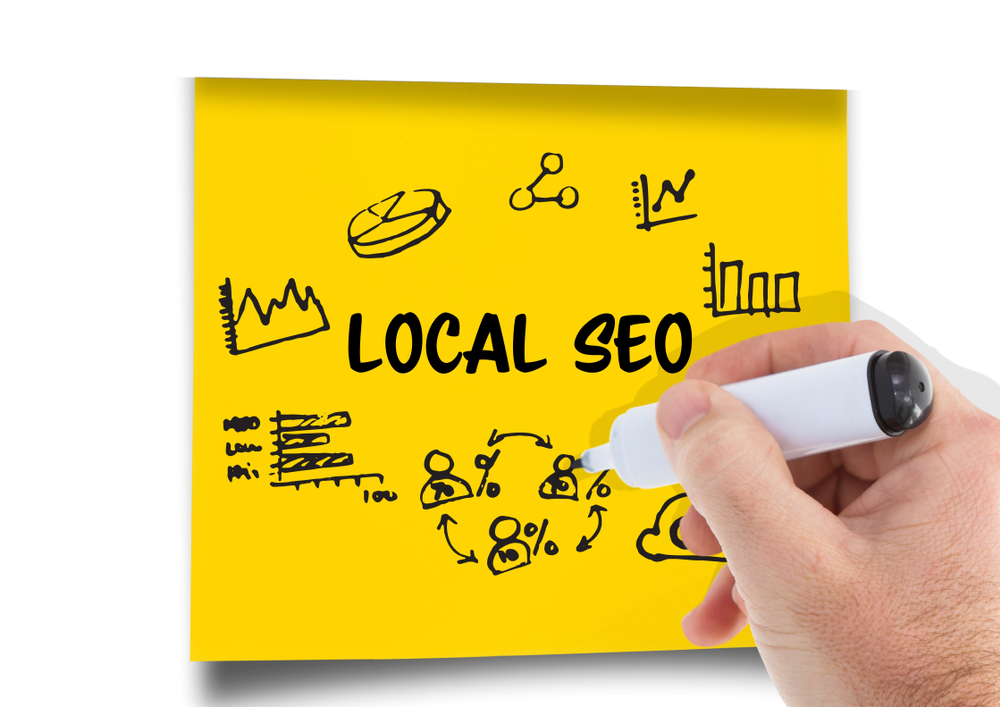
    What Is SEO Audit

    SEO Audit for Different Business Types

    SEO audits are valuable for all websites.

    New Websites

    New sites need audits to ensure they follow best practices from the start.

    Established Businesses

    Older websites often have hidden issues. Regular audits explain as a maintenance tool, not just a one-time task.

    How Often Should You Do an SEO Audit

    SEO is constantly changing.

    Experts recommend performing an every 6 to 12 months or after major website updates. This ensures strategies stay effective and competitive.

    Get Professional SEO Audit Support

    A detailed requires tools, experience, and technical expertise. Professional audits provide clear action plans instead of guesswork.

    Get expert SEO audit help here

    Trusted SEO Guidelines in India

    Following official search engine guidelines ensures long-term success. Google’s search documentation is a reliable Indian and global resource.

    Final Thoughts

    Understanding helps businesses improve rankings, traffic, and website performance. An audit is not about quick fixes but about building a strong foundation for long-term growth.

    When conducted regularly and acted upon correctly, an becomes one of the most powerful tools for sustainable digital success.

    Explore more related articles to deepen your understanding

    Best Fonts for Branding: Create a Lasting Visual Identity

    SEO Content Writing: A Complete Guide for BeginnersDoes Google use Cloudflare

    Content Writing Basics: A Beginner’s Guide to Effective Writing
    What Is Copywriting

  • How SEO Improves Traffic and Builds Long-Term Online Visibility

    How SEO Improves Traffic and Builds Long-Term Online Visibility

    How SEO Improves Traffic for Websites

    Every business wants more website visitors, but not just any visitors—the right ones. Understanding how SEO improves traffic helps businesses grow organically by attracting users who are actively searching for their products or services. SEO focuses on visibility, relevance, and user experience to turn search demand into consistent traffic.

    Improves Search Engine Visibility

    Search engines are the primary source of website traffic.

    Ranking Higher in Search Results

    When a website ranks on the first page of search engines, it naturally receives more clicks. Higher rankings directly explain how SEO improves traffic, because users rarely go beyond the first few results.

    Appearing for Relevant Searches

    SEO ensures your website shows up for searches related to your business. This relevance brings visitors who are already interested, increasing both traffic and engagement.

    Targets the Right Audience

    SEO is not about attracting random visitors.

    Search Intent Optimization

    By aligning content with user intent, SEO brings people who are looking for solutions, not just browsing. This targeted approach is a major reason how SEO improves traffic consistently over time.

    Keyword-Focused Content

    Well-researched keywords help pages match what users search for, leading to steady and qualified traffic.

    Enhances Content Discoverability

    Content plays a key role in traffic growth.

    Blogs and Informational Pages

    SEO-optimized blogs answer user questions and rank for informational searches. Over time, multiple articles compound traffic, clearly showing how SEO improves traffic through content.

    Fresh and Updated Content

    Updating content keeps it relevant, helping pages maintain or improve rankings and attract returning visitors.

    Improves User Experience

    Search engines favor websites that users enjoy.

    Faster Load Speed and Mobile Optimization

    SEO improves technical performance, which reduces bounce rates and increases time spent on site. Better experience supports how SEO improves traffic by encouraging repeat visits.

    How LoHow SEO Improves Trafficng Does SEO Take

    Clear Structure and Navigation

    Easy navigation helps users explore more pages, increasing overall traffic per visitor.

    Builds Trust and Click-Through Rates

    SEO influences user behavior.

    Optimized Titles and Descriptions

    Well-written titles and meta descriptions encourage clicks from search results. Higher click-through rates are another way how SEO improves traffic without increasing marketing spend.

    Authority and Credibility

    Websites that rank well are perceived as more trustworthy, leading users to choose them over competitors.

    Supports Long-Term Traffic Growth

    SEO traffic compounds over time.

    Unlike paid ads, SEO continues to deliver traffic long after content is published. This long-term effect explains how SEO improves traffic in a sustainable and cost-effective way.

    Measure, Improve, and Scale Traffic

    SEO provides data-driven insights.

    Analytics reveal which pages drive traffic, what users search for, and where improvements are needed. These insights help refine strategies and strengthen how SEO improves traffic continuously.

    Get Professional SEO Support

    Achieving consistent traffic growth requires expertise, planning, and ongoing optimization. Professional SEO services help businesses scale faster and avoid common mistakes.

    Talk to SEO experts here

    Trusted SEO Guidelines

    Following official best practices ensures stable rankings and sustainable traffic. Google’s search documentation is a reliable Indian and global reference.

    Final Thoughts

    Understanding how SEO improves traffic shows why it is essential for digital growth. By improving visibility, targeting intent, enhancing user experience, and building trust, SEO turns search engines into a reliable traffic source.

    When applied consistently, SEO becomes a long-term engine that drives qualified visitors and supports lasting business success.

  • What Is SEO Strategy and How It Builds Long-Term Online Growth

    What Is SEO Strategy and How It Builds Long-Term Online Growth

    What Is SEO Strategy and Why It Matters

    To succeed online, businesses need more than random optimization efforts. Understanding strategy helps brands create a structured plan to improve visibility, attract the right audience, and achieve long-term results. An SEO strategy is a roadmap that guides how a website is optimized for search engines and users.

    Understanding the Core of an SEO Strategy

    An SEO strategy focuses on aligning website content, technical health, and authority with search engine guidelines.

    Clear Goals and Audience Targeting

    Every effective plan starts with defined goals. Knowing your audience, their search intent, and business objectives shapes content and optimization decisions. This foundation explains in practical terms.

    Keyword and Intent Planning

    Keyword research ensures your pages match what users are searching for. Instead of guessing, a strategy relies on data-driven insights to guide content creation.

    Key Components of an SEO Strategy

    A strong SEO strategy includes multiple elements working together.

    On-Page Optimization

    On-page SEO focuses on content quality, headings, internal links, and page structure. Well-optimized pages help search engines understand relevance, reinforcing strategy at the page level.

    Technical SEO Foundation

    Technical factors like site speed, mobile responsiveness, and crawlability are critical. Without a healthy technical base, even great content struggles to rank.

    Off-Page SEO and Authority

    Backlinks, brand mentions, and online reputation build trust. Authority growth is a long-term process and a vital part of strategy for competitive markets.

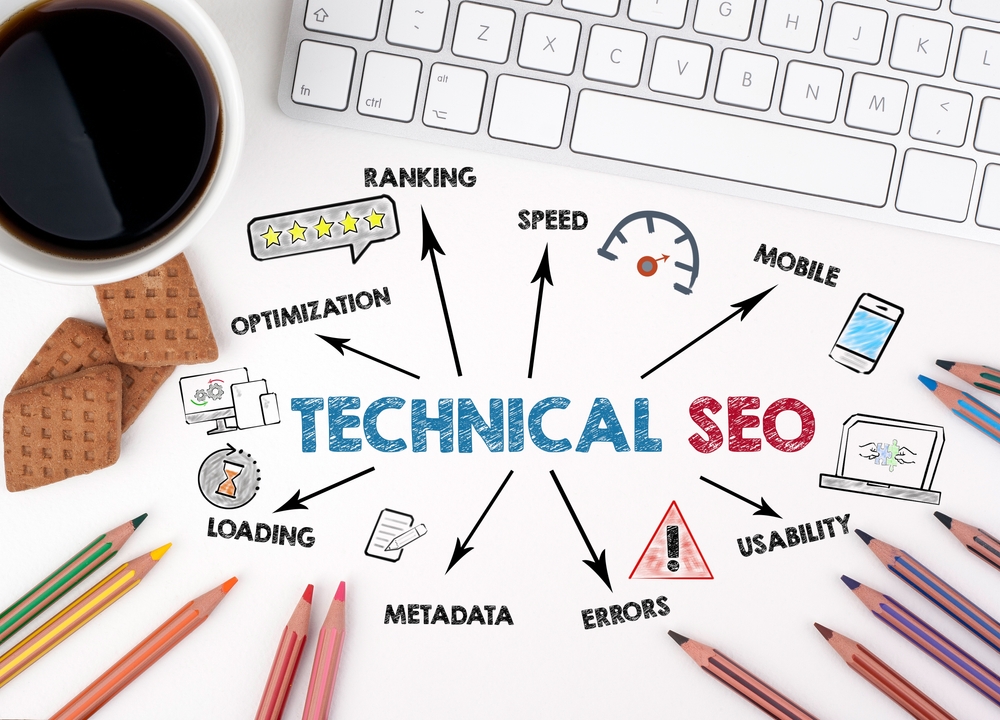
    What Is SEO Strategy

    Why Businesses Need an SEO Strategy

    SEO without a strategy often leads to wasted effort.

    Consistency and Measurable Growth

    A clear plan ensures consistent actions and measurable results. Tracking performance helps refine tactics and improve outcomes over time.

    Competitive Advantage

    Businesses with a defined approach outperform competitors who rely on outdated or random methods. This highlights strategy as a growth advantage, not just a marketing task.

    SEO Strategy for Different Business Types

    SEO strategies are not one-size-fits-all.

    Local Businesses

    Local SEO strategies focus on location-based searches, reviews, and map visibility to attract nearby customers.

    E-Commerce and Service Brands

    Online stores and service providers need strategies that support product pages, blogs, and conversion-focused content.

    Continuous Improvement and Updates

    Search engines evolve constantly.

    An strategy requires regular audits, content updates, and performance analysis. This ongoing process ensures rankings remain stable and relevant, further defining strategy as a long-term commitment.

    Get Professional SEO Strategy Support

    Building and executing a successful SEO plan takes expertise and time. Professional guidance helps businesses avoid mistakes and achieve faster results.

    Get expert SEO help here.

    Trusted SEO Guidelines in India

    Following official best practices ensures sustainable success. Google’s search documentation is a reliable Indian and global reference.

    Final Thoughts

    Understanding strategy means recognizing SEO as a structured, goal-driven process rather than a collection of tactics. A well-planned strategy connects content, technology, and authority to drive consistent growth.

    When businesses invest in a clear and adaptabl, they build lasting visibility, stronger trust, and long-term digital success.

  • How SEO Helps Business Growth With Long-Term Digital Visibility

    How SEO Helps Business Growth With Long-Term Digital Visibility

    How SEO Helps Business Growth in the Digital Era

    In today’s competitive online market, businesses need more than just a website to succeed. Understanding how SEO helps business growth allows brands to attract the right audience, build trust, and increase revenue over time. SEO focuses on improving visibility in search engines, helping potential customers find your business exactly when they need it.

    Increases Organic Traffic and Visibility

    One of the biggest advantages of SEO is consistent traffic.

    Appearing at the Right Time

    When users search for products or services, SEO helps your website appear in relevant search results. This targeted visibility explains how SEO helps business growth by bringing users who already have interest or intent.

    Long-Term Traffic Source

    Unlike paid ads, organic traffic does not stop when budgets end. SEO builds a sustainable flow of visitors over months and years.

    Builds Trust and Brand Credibility

    Search engine rankings influence user perception.

    Higher Rankings Build Confidence

    Websites that appear on the first page are often seen as more trustworthy. This trust plays a major role in how SEO helps business growth, especially for new or lesser-known brands.

    Better User Experience

    SEO improves site structure, content quality, and page speed, all of which create a positive experience for visitors.

    Generates Quality Leads and Sales

    SEO focuses on users with intent.

    Targeting the Right Audience

    Optimized pages attract users actively searching for solutions. This makes SEO a powerful lead-generation tool and clearly shows how SEO helps business growth through higher conversion potential.

    Supports the Sales Funnel

    SEO content educates users at every stage of the buyer journey, from awareness to decision-making.

    Cost-Effective Marketing Strategy

    SEO delivers strong returns over time.

    Compared to paid advertising, SEO has a lower long-term cost. Once rankings improve, traffic continues without ongoing ad spend, reinforcing how SEO helps business growth sustainably.

    Supports Local and Global Expansion

    SEO adapts to business goals.

    Local Business Growth

    Local SEO helps businesses appear in nearby searches, increasing foot traffic and calls.

    Global Reach

    For online businesses, SEO enables expansion into new regions by targeting location-specific keywords.

    Data-Driven Business Decisions

    SEO provides valuable insights.

    Analytics reveal customer behavior, popular search terms, and content performance. These insights help businesses refine strategies and further understand how SEO helps business growth through smarter decisions.

    how SEO helps business growth
    A 2D illustration set on a vibrant yellow background, featuring a magnifying glass surrounded by various SEO-related icons. This design highlights key concepts of search engine optimization, symbolizing analysis, keyword research, website performance, and digital marketing strategies.

    Get Expert SEO Support

    SEO success depends on strategy, consistency, and technical expertise. Professional guidance ensures faster growth and avoids costly mistakes.

     Talk to SEO experts here

    Trusted SEO Guidelines in India

    Following official search engine practices ensures long-term success. Google’s search documentation is a reliable Indian and global resource.

    Final Thoughts

    Understanding how SEO helps business growth shows why it is a core digital strategy for modern businesses. From increasing visibility and trust to generating leads and sales, SEO supports growth at every stage.

    When implemented correctly and consistently, SEO becomes a long-term asset that drives sustainable success and competitive advantage.

    Explore more related articles to deepen your understanding

    Best Fonts for Branding: Create a Lasting Visual Identity

    SEO Content Writing: A Complete Guide for BeginnersDoes Google use Cloudflare

    Content Writing Basics: A Beginner’s Guide to Effective Writing
    What Is Copywriting

  • Where SEO Is Used: Key Platforms and Real Business Applications

    Where SEO Is Used: Key Platforms and Real Business Applications

    Where SEO Is Used Where SEO Is Used in the Digital World

    Many people think SEO applies only to websites, but its role is much broader. Understanding where SEO is used helps businesses and professionals unlock its full potential. From search engines to mobile apps, SEO supports visibility, traffic, and user discovery across multiple digital platforms.

    Websites and Blogs

    The most common place SEO is applied is on websites.

    Business Websites

    Corporate sites, service pages, and landing pages use SEO to appear in search results when users look for products or services. Optimized pages help attract high-intent visitors and convert them into leads. This is the most direct example for revenue growth.

    Blogs and Content Platforms

    Blogs rely on SEO to rank articles, guides, and tutorials. Without optimization, even high-quality content may never reach its audience.

    E-Commerce Platforms

    SEO plays a critical role in online shopping experiences.

    Product and Category Pages

    E-commerce websites use SEO to optimize product titles, descriptions, images, and categories. This helps products rank on search engines and reach buyers ready to purchase.

    Marketplace Visibility

    Independent sellers also use SEO within large marketplaces to improve product discovery, showing another important are in digital commerce.

    Mobile Apps and App Stores

    SEO principles extend beyond traditional websites.

    App Store Optimization (ASO)

    Mobile apps use SEO-like techniques in app stores. Keywords, descriptions, and reviews influence how apps appear in search results inside Google Play Store and Apple App Store.

    Local Search and Maps

    Local intent searches are growing rapidly.

    Google Business Profiles

    Local businesses use SEO to appear in map results and local listings. Optimizing business information, reviews, and location signals improves visibility in nearby searches.

    This is a strong example to drive foot traffic and local leads.

    Social Media and Video Platforms

    SEO also supports content discovery on social platforms.

    YouTube and Video SEO

    YouTube is the second-largest search engine. Optimizing titles, descriptions, and tags helps videos rank both on YouTube and Google search results.

    Social Media Profiles

    Public social profiles often rank in search engines. SEO-friendly bios and descriptions improve brand visibility.

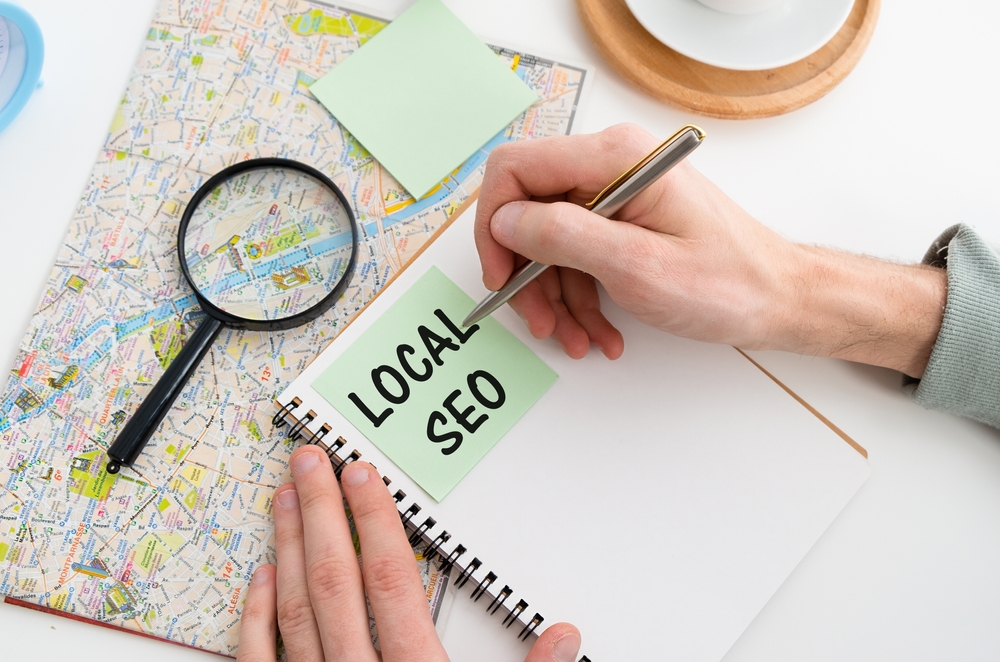
    Where SEO Is Used

    News, Education, and Publishing Websites

    SEO is essential for information-based platforms.

    News portals, educational sites, and online magazines use SEO to rank articles quickly and reach large audiences. Without SEO, timely content loses visibility fast.

    Job Portals and Professional Platforms

    SEO helps job listings and profiles appear in search results. Recruiters and professionals benefit from optimized pages that match search intent.

    Why Businesses Need SEO Expertise

    Knowing is only the first step. Correct implementation requires strategy, technical knowledge, and ongoing optimization.

    For expert SEO guidance and customized strategies, connect here.

    Trusted SEO Guidelines

    Following official best practices ensures sustainable rankings and long-term growth. Google’s search documentation is a reliable reference.

    Final Thoughts

    Understanding reveals how deeply it impacts the digital ecosystem. From websites and apps to local search and video platforms, SEO shapes how users discover information.

    Businesses that apply SEO across the right channels gain consistent visibility, stronger trust, and long-term digital success.

    Explore more related articles to deepen your understanding

    Best Fonts for Branding: Create a Lasting Visual Identity

    SEO Content Writing: A Complete Guide for BeginnersDoes Google use Cloudflare

    Content Writing Basics: A Beginner’s Guide to Effective Writing
    What Is Copywriting

  • Who Needs SEO Services for Online Growth and Visibility

    Who Needs SEO Services for Online Growth and Visibility

    Businesses That Benefit Most From SEO

    Many people think search engine optimization is only for large companies, but that is not true. Understanding who needs SEO services helps businesses of all sizes make smarter digital decisions. Any brand that wants online visibility, consistent traffic, and long-term growth can benefit from SEO.

    Small Businesses and Local Service Providers

    Small businesses are among the biggest beneficiaries of SEO.

    Local Shops and Service Providers

    Local businesses such as salons, clinics, restaurants, and consultants rely heavily on search visibility. When people search for services nearby, SEO helps these businesses appear at the right moment. This is a clear example of who needs SEO services to compete with larger brands.

    Startups With Limited Marketing Budgets

    SEO is cost-effective compared to paid advertising. Startups can attract organic traffic without spending heavily on ads, making it ideal for sustainable growth.

    E-Commerce Stores and Online Brands

    Online stores face intense competition.

    New and Growing E-Commerce Websites

    E-commerce brands need SEO to rank product pages, categories, and blogs. Without optimization, products remain invisible. This strongly explains who needs SEO services in the digital marketplace.

    Brands Competing With Marketplaces

    SEO helps independent stores compete with big platforms by targeting niche keywords and user intent.

    Corporate Businesses and Enterprises

    Large companies also depend on SEO.

    Established Brands Protecting Market Share

    Enterprises use SEO to maintain authority, control brand reputation, and dominate competitive keywords. Even well-known brands risk losing visibility without ongoing optimization.

    Professionals and Personal Brands

    SEO is not limited to companies.

    Consultants, Coaches, and Freelancers

    Personal brands need SEO to build credibility and attract clients organically. Ranking for expertise-based searches positions professionals as trusted authorities, highlighting who needs SEO services beyond traditional businesses.

    Who Needs SEO Services

    Content Creators and Publishers

    Websites driven by content depend heavily on search traffic.

    Blogs, news platforms, and educational sites rely on SEO to increase reach and engagement. Without optimization, quality content struggles to find readers.

    Companies Expanding Into New Markets

    SEO supports business expansion.

    When entering new locations or launching new services, SEO helps businesses reach fresh audiences efficiently. This is another strong reason who needs SEO services includes growth-focused companies.

    Why SEO Matters Across Industries

    SEO improves visibility, builds trust, and drives high-intent traffic. Businesses that ignore SEO risk losing customers to competitors who appear first in search results.

    Get Professional SEO Support

    Implementing SEO correctly requires strategy, consistency, and expertise. Professional services help businesses avoid costly mistakes and achieve measurable results.

    Talk to SEO experts here

    Trusted SEO Guidelines in India

    Following official search practices ensures long-term success. Google’s search documentation is a reliable Indian and global reference.

    Final Thoughts

    So, who needs SEO services? The answer is simple: any business or individual that wants online visibility, credibility, and sustainable growth. From local shops to global brands, SEO is a foundational digital strategy.

    When done right, SEO becomes a long-term asset that delivers traffic, leads, and brand authority well into the future.

    Explore more related articles to deepen your understanding

    Best Fonts for Branding: Create a Lasting Visual Identity

    SEO Content Writing: A Complete Guide for BeginnersDoes Google use Cloudflare

    Content Writing Basics: A Beginner’s Guide to Effective Writing
    What Is Copywriting