Author: naaz

  • What Are SEO Keywords? Beginner’s Guide to Search Visibility

    What Are SEO Keywords? Beginner’s Guide to Search Visibility

    How to Improve SEO Ranking for Long-Term Growth

    Every business wants more visibility, traffic, and leads from search engines. But ranking on Google doesn’t happen by chance. Understanding how to improve SEO ranking requires a mix of strategy, consistency, and technical clarity.

    SEO is not about shortcuts. It’s about aligning your website with what search engines and users both value—quality, relevance, and performance.

    Build a Strong SEO Foundation

    Before advanced tactics, your website must have a solid base. Many people trying to learn how to improve SEO ranking fail because they skip the fundamentals.

    Focus on Technical SEO First

    Search engines need to crawl and understand your site easily. Make sure:

    • Your website loads fast

    • Pages are mobile-friendly

    • URLs are clean and structured

    • HTTPS security is enabled

    Fixing technical issues helps search engines index your site properly and improves user experience at the same time.

    Optimize Website Structure

    A clear site structure helps users navigate easily and allows search engines to find important pages faster. Logical menus, internal linking, and proper heading hierarchy (H1, H2, H3) are essential.

    Create High-Quality, Search-Focused Content

    Content remains one of the strongest ranking factors. If you want to master how to improve SEO ranking, content quality cannot be ignored.

    Write for Users, Not Just Search Engines

    Your content should answer real user questions clearly and thoroughly. Well-written content increases:

    • Time spent on site

    • Engagement

    • Trust and authority

    Search engines reward pages that genuinely help users.

    Update and Refresh Existing Content

    SEO is not only about publishing new content. Updating old pages with fresh information, improved formatting, and better internal links can significantly boost rankings.

    Use Smart On-Page SEO Practices

    On-page SEO helps search engines understand what your content is about. This step is critical when applying how to improve SEO ranking strategies effectively.

    Key on-page elements include:

    • Optimized title tags and meta descriptions

    • Proper use of headings

    • Image optimization with alt text

    • Internal linking between related pages

    Each page should focus on one clear topic to avoid confusion.

    Earn Quality Backlinks Naturally

    Backlinks act as votes of trust from other websites. Search engines see high-quality backlinks as a sign of authority.

    Focus on Relevance Over Quantity

    A few links from trusted, relevant websites are more valuable than many low-quality links. Publishing useful content, guides, and insights increases the chances of earning natural backlinks.

    This is a critical step for anyone serious about how to improve SEO ranking in competitive markets.
    What Are SEO Keywords

    Improve User Experience and Engagement

    Search engines analyze how users interact with your website. High bounce rates and low engagement can hurt rankings.

    To improve user experience:

    • Ensure fast page loading

    • Make content easy to read

    • Use clear calls-to-action

    • Optimize for mobile users

    Better experience leads to better rankings over time.

    Track Performance and Adjust Strategy

    SEO is not a one-time task. Regular monitoring helps identify what’s working and what needs improvement. Tools like Google Search Console provide valuable insights into performance.

    For professional guidance and a customized SEO strategy, you can connect with experts here.

    Follow Trusted SEO Guidelines

    To stay safe from penalties, always follow official search engine recommendations. Google’s SEO documentation is a reliable reference for Indian and global websites alike.

    Final Thoughts

    Learning how to improve SEO ranking takes patience, consistency, and the right approach. By focusing on technical health, high-quality content, smart optimization, and user experience, businesses can achieve sustainable growth.

    SEO rewards long-term effort. When done correctly, it becomes a powerful channel for visibility, trust, and continuous organic traffic.

    Explore more related articles to deepen your understanding

    Best Fonts for Branding: Create a Lasting Visual Identity

    SEO Content Writing: A Complete Guide for BeginnersDoes Google use Cloudflare

    Content Writing Basics: A Beginner’s Guide to Effective Writing

    What Is Copywriting

  • Proven Ways to Boost SEO Rankings and Organic Traffic

    Proven Ways to Boost SEO Rankings and Organic Traffic

    How to Improve SEO Ranking for Long-Term Growth

    Every business wants more visibility, traffic, and leads from search engines. But ranking on Google doesn’t happen by chance. Understanding how to improve SEO ranking requires a mix of strategy, consistency, and technical clarity.

    SEO is not about shortcuts. It’s about aligning your website with what search engines and users both value—quality, relevance, and performance.

    Build a Strong SEO Foundation

    Before advanced tactics, your website must have a solid base. Many people trying to learn how to improve SEO ranking fail because they skip the fundamentals.

    Focus on Technical SEO First

    Search engines need to crawl and understand your site easily. Make sure:

    • Your website loads fast

    • Pages are mobile-friendly

    • URLs are clean and structured

    • HTTPS security is enabled

    Fixing technical issues helps search engines index your site properly and improves user experience at the same time.

    Optimize Website Structure

    A clear site structure helps users navigate easily and allows search engines to find important pages faster. Logical menus, internal linking, and proper heading hierarchy (H1, H2, H3) are essential.

    Create High-Quality, Search-Focused Content

    Content remains one of the strongest ranking factors. If you want to master how to improve SEO ranking, content quality cannot be ignored.

    Write for Users, Not Just Search Engines

    Your content should answer real user questions clearly and thoroughly. Well-written content increases:

    • Time spent on site

    • Engagement

    • Trust and authority

    Search engines reward pages that genuinely help users.

    Update and Refresh Existing Content

    SEO is not only about publishing new content. Updating old pages with fresh information, improved formatting, and better internal links can significantly boost rankings.

    Use Smart On-Page SEO Practices

    On-page SEO helps search engines understand what your content is about. This step is critical when applying how to improve SEO ranking strategies effectively.

    Key on-page elements include:

    • Optimized title tags and meta descriptions

    • Proper use of headings

    • Image optimization with alt text

    • Internal linking between related pages

    Each page should focus on one clear topic to avoid confusion.

    Earn Quality Backlinks Naturally

    Backlinks act as votes of trust from other websites. Search engines see high-quality backlinks as a sign of authority.

    Focus on Relevance Over Quantity

    A few links from trusted, relevant websites are more valuable than many low-quality links. Publishing useful content, guides, and insights increases the chances of earning natural backlinks.

    This is a critical step for anyone serious about how to improve SEO ranking in competitive markets.

    Boost SEO Rankings
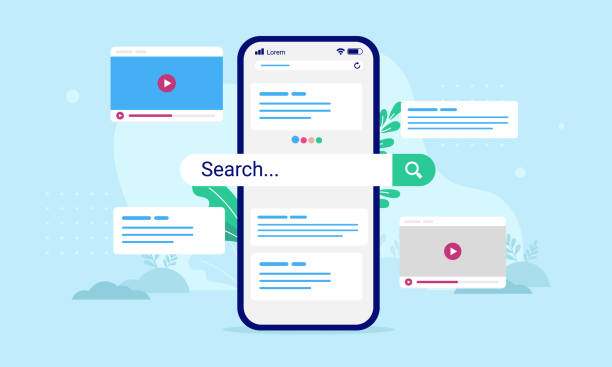
    Vector illustration of smartphone with internet search and results popping out. Finding information online concept.

    Improve User Experience and Engagement

    Search engines analyze how users interact with your website. High bounce rates and low engagement can hurt rankings.

    To improve user experience:

    • Ensure fast page loading

    • Make content easy to read

    • Use clear calls-to-action

    • Optimize for mobile users

    Better experience leads to better rankings over time.

    Track Performance and Adjust Strategy

    SEO is not a one-time task. Regular monitoring helps identify what’s working and what needs improvement. Tools like Google Search Console provide valuable insights into performance.

    For professional guidance and a customized SEO strategy, you can connect with experts here.

    Follow Trusted SEO Guidelines

    To stay safe from penalties, always follow official search engine recommendations. Google’s SEO documentation is a reliable reference for Indian and global websites alike.

    Final Thoughts

    Learning how to improve SEO ranking takes patience, consistency, and the right approach. By focusing on technical health, high-quality content, smart optimization, and user experience, businesses can achieve sustainable growth.

    SEO rewards long-term effort. When done correctly, it becomes a powerful channel for visibility, trust, and continuous organic traffic.

    Explore more related articles to deepen your understanding

    Best Fonts for Branding: Create a Lasting Visual Identity

    SEO Content Writing: A Complete Guide for BeginnersDoes Google use Cloudflare

    Content Writing Basics: A Beginner’s Guide to Effective Writing
    What Is Copywriting

  • Importance of SEO for Business Growth and Online Visibility

    Importance of SEO for Business Growth and Online Visibility

    Why SEO Is Important for Business Growth

    In today’s digital-first world, customers search online before making almost any buying decision. Whether it’s a local service or a global brand, visibility on search engines directly impacts success. This is exactly why SEO is important for business owners who want consistent growth and long-term results.

    SEO helps your business appear in front of the right audience at the right time—when they are actively searching for your products or services.

    Building Online Visibility and Brand Awareness

    One major reason why SEO is important for business is visibility. When your website ranks higher on search engines, more people discover your brand. Most users don’t go beyond the first page of Google, so ranking well means your business gets noticed before competitors.

    Organic visibility also builds brand recall. Even if users don’t convert immediately, repeated exposure creates familiarity and trust over time.

    Reaching the Right Audience Organically

    SEO targets users with clear intent. Unlike traditional advertising, SEO brings in people who are already searching for what you offer. This makes organic traffic more relevant and more likely to convert into leads or customers.

    This targeted reach is a key reason why SEO is important for business across industries.

    Cost-Effective Marketing With Long-Term Benefits

    SEO is one of the most cost-effective digital marketing strategies. While paid ads stop delivering traffic once the budget ends, SEO continues to generate results long after the initial effort.

    Better ROI Compared to Paid Ads

    With SEO, you invest in content, optimization, and structure. Over time, these assets keep working for you without paying for every click. This leads to:

    • Lower customer acquisition costs

    • Higher return on investment

    • Sustainable traffic growth

    This long-term value clearly explains why SEO is important for business owners focused on scalability.

    Building Trust and Credibility

    Users trust search engines. Websites that appear at the top are often perceived as more credible and authoritative. SEO helps improve your website’s technical health, content quality, and user experience—all of which build trust.

    Elements like fast-loading pages, mobile optimization, and secure HTTPS connections also contribute to positive brand perception.

    Improving User Experience and Engagement

    SEO is not just about search engines; it’s also about users. A well-optimized website is easier to navigate, loads faster, and works smoothly on all devices.

    How SEO Enhances User Experience

    Good SEO practices improve:

    • Page speed and performance

    • Clear site structure

    • Mobile responsiveness

    • Content readability

    These improvements keep visitors engaged longer, reduce bounce rates, and increase conversions. This practical benefit further highlights why SEO is important for business success.

    Importance of SEO for Business Growth

    Supporting Local and Mobile Searches

    In markets like India, mobile and local searches dominate. People often search for nearby services with immediate intent. Local SEO helps your business appear in map listings and local results, driving foot traffic and calls.

    For businesses targeting regional customers, SEO becomes essential rather than optional.

    SEO Helps You Stay Ahead of Competition

    Your competitors are investing in SEO—if you don’t, you risk losing market share. SEO allows you to analyze competitors, identify gaps, and position your business more effectively in search results.

    This competitive edge is another strong reason why SEO is important for business in crowded digital markets.

    Professional SEO Support Matters

    SEO involves technical optimization, content strategy, and continuous monitoring. Working with experienced professionals ensures your strategy follows best practices and adapts to algorithm changes.

    If you’re planning to strengthen your online presence, you can connect with experts here.

    Trusted SEO Guidelines in India

    To ensure ethical and effective SEO, businesses should follow official search engine guidelines. Google provides comprehensive documentation suitable for Indian businesses as well. You can refer to this reliable Indian resource.

    Final Thoughts

    Understanding why SEO is important for business comes down to visibility, trust, and sustainable growth. SEO helps you attract the right audience, reduce marketing costs, improve user experience, and stay competitive in a fast-changing digital landscape.

    For businesses aiming for long-term success—not just short-term traffic—SEO remains one of the most powerful tools available today

    Explore more related articles to deepen your understanding

    Best Fonts for Branding: Create a Lasting Visual Identity

    SEO Content Writing: A Complete Guide for BeginnersDoes Google use Cloudflare

    Content Writing Basics: A Beginner’s Guide to Effective Writing
    What Is Copywriting

  • How Long Does SEO Take? Realistic SEO Timeline Explained

    How Long Does SEO Take? Realistic SEO Timeline Explained

    How Long Does SEO Take to Show Results?

    One of the most common questions business owners ask before investing in digital marketing is how long does SEO take. Unlike paid ads, SEO is not instant. It’s a long-term strategy that builds sustainable visibility, trust, and organic traffic over time.

    The timeline for SEO results depends on many factors such as competition, website age, content quality, and technical health. Understanding this process helps set realistic expectations and avoid frustration.

    Understanding the SEO Timeline

    To truly understand, you need to know that SEO works in phases. Search engines like Google analyze thousands of signals before ranking a website. Improvements don’t happen overnight, but they compound steadily.

    First 1–3 Months: Foundation Phase

    In the initial months, most SEO work happens behind the scenes. This phase focuses on:

    • Technical SEO fixes

    • Website structure improvements

    • Keyword research and mapping

    • Content optimization

    During this period, you may not see major ranking jumps, but search engines start noticing positive changes. This stage is crucial because weak foundations slow down future growth.

    3–6 Months: Early Growth Signals

    This is where many businesses begin to see movement. Rankings may start improving for low-competition keywords, and organic traffic slowly increases. If you’re targeting local or niche markets, results may appear faster.

    At this stage, people often revisit the question, because progress becomes visible but not explosive. Consistency is key here.

    What Influences Speed at This Stage?

    Several elements affect how quickly results show:

    • Domain age and authority

    • Quality and frequency of content

    • Backlink profile

    • User experience and site speed

    Older, trusted websites usually move faster than brand-new ones.

    6–12 Months: Strong and Stable Results

    For most businesses, meaningful SEO results appear between six to twelve months. This includes:

    • Page one rankings for competitive keywords

    • Consistent organic traffic growth

    • Higher-quality leads and conversions

    If SEO is done correctly, growth during this period becomes more predictable. This is often the point where businesses fully understand and why patience pays off.

    Why SEO Is Slower Than Ads but More Powerful

    Paid ads give instant traffic, but the moment you stop paying, traffic disappears. SEO works differently. Once your pages rank well, they continue bringing traffic without ongoing ad spend.

    That’s why SEO is considered an investment, not an expense.

    Industry and Competition Matter a Lot

    The answer to how long does SEO take also depends heavily on your industry. For example:

    • Local service businesses may see results in 3–5 months

    • E-commerce and national brands may take 9–12 months or more

    • Highly competitive niches require longer-term strategies

    In markets like India, where digital competition is growing rapidly, consistent SEO efforts are essential to stay ahead.

    How Long Does SEO Take

    Role of Professional SEO Support

    Many businesses delay results by using outdated or incorrect SEO practices. Working with experienced professionals helps avoid costly mistakes and speeds up progress.

    If you’re planning to invest in SEO and want a clear roadmap, you can connect with experts here.

    SEO Is an Ongoing Process, Not a One-Time Task

    Even after achieving good rankings, SEO doesn’t stop. Search engine algorithms change, competitors improve, and user behavior evolves. Regular audits, content updates, and technical improvements are required to maintain results.

    This is why the question how long does SEO take doesn’t have a fixed end date—SEO continues as long as you want sustained visibility.

    Trusted SEO Guidelines in India

    To follow best practices, it’s important to rely on official resources. Google provides clear SEO documentation tailored for global and Indian websites. You can refer to this trusted Indian resource.

    Final Thoughts

    So, how long does SEO take in reality? For most businesses, expect noticeable improvements in 3–6 months and strong, reliable results in 6–12 months. The exact timeline depends on your goals, competition, and consistency.

    SEO rewards patience, quality, and long-term thinking. When done right, it becomes one of the most powerful and cost-effective digital marketing strategies available today.

    Explore more related articles to deepen your understanding

    Best Fonts for Branding: Create a Lasting Visual Identity

    SEO Content Writing: A Complete Guide for BeginnersDoes Google use Cloudflare

    Content Writing Basics: A Beginner’s Guide to Effective Writing
    What Is Copywriting

  • What Is Technical SEO? Complete Guide for Better Rankings

    What Is Technical SEO? Complete Guide for Better Rankings

    What Is Technical SEO and Why It Matters in 2026

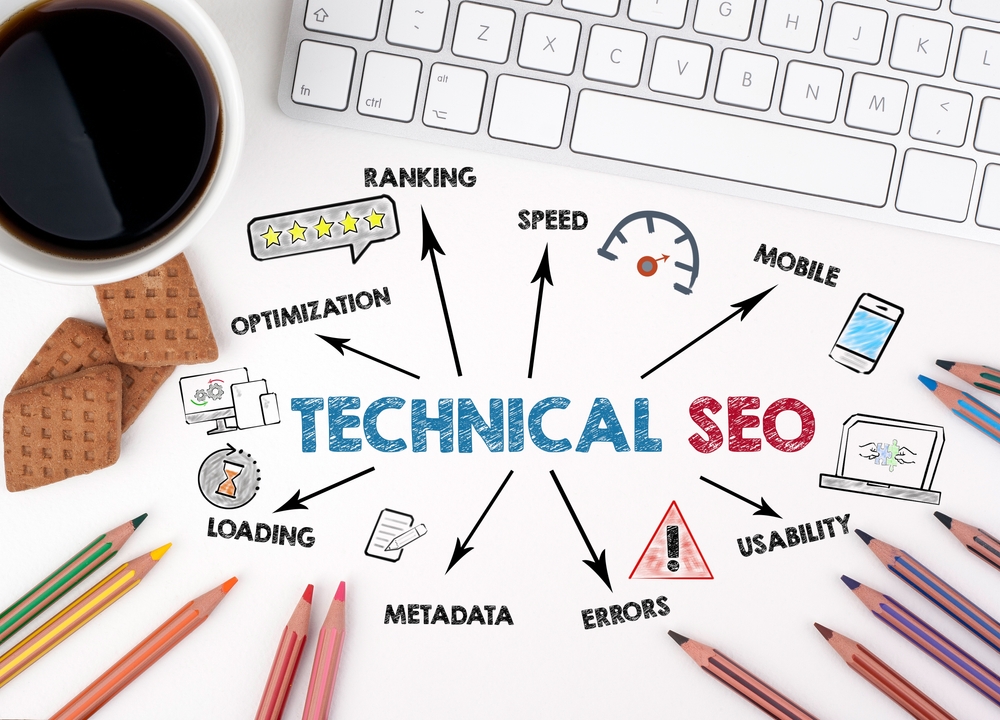
    If you’re serious about ranking on Google, you can’t ignore the foundation of your website. Many people focus only on content and backlinks, but without a strong technical base, even the best content struggles to perform. That’s where what is technical SEO becomes an important question for every business owner, marketer, and website manager.

    Technical SEO focuses on optimizing your website so search engines can easily crawl, understand, and index your pages. It doesn’t deal with writing blogs or building links directly—instead, it ensures your site works smoothly behind the scenes.

    Understanding the Core of Technical SEO

    To clearly understand what is technical SEO, think of it as the health check of your website. It covers all the technical elements that help search engines access your site without errors or confusion.

    When your website is technically sound, search engines can:

    • Discover pages faster

    • Understand site structure better

    • Rank pages more accurately

    Without proper technical optimization, your website may face indexing issues, slow load times, or poor mobile performance.

    Key Elements That Shape Technical SEO

    Technical SEO is built on several critical components. Each one plays a role in how search engines interact with your website.

    Website Crawlability and Indexing

    Search engines use bots to crawl your site. If bots can’t access your pages properly, those pages won’t appear in search results. Clean URL structures, proper robots.txt files, and XML sitemaps help search engines find and index your content efficiently.

    This is a core area when learning what is technical SEO, because crawlability is the starting point of all rankings.

    Site Speed and Performance

    Page speed is a confirmed ranking factor. A slow website leads to higher bounce rates and lower user satisfaction. Optimizing images, using browser caching, and minimizing code can significantly improve load times.

    Fast websites not only rank better but also convert more visitors into customers.

    Mobile-Friendliness and Responsive Design

    With Google’s mobile-first indexing, your mobile version is now the primary version for ranking. A responsive design ensures your site adapts smoothly to all screen sizes, improving both user experience and search visibility.

    Secure Website (HTTPS)

    Security is another major factor. Websites with HTTPS encryption protect user data and build trust. Google prefers secure sites, making SSL certificates a must-have technical requirement.

    Site Architecture and Internal Linking

    A clear site structure helps both users and search engines navigate your website easily. Logical categories, proper internal links, and a shallow click depth ensure important pages are easily accessible.

    If you’re planning to improve your website’s structure or fix technical issues, consider working with experts. You can explore professional support through this internal resource:

    Structured Data and Schema Markup

    Structured data helps search engines better understand your content. By using schema markup, you can enhance search listings with rich results like FAQs, reviews, and ratings. This can improve click-through rates without changing your rankings directly.

    When people ask what is technical SEO, structured data is often overlooked—but it can make a noticeable difference in search appearance.

    What Is Technical SEO

    Managing Duplicate Content and Canonicals

    Duplicate content confuses search engines and can dilute rankings. Canonical tags tell search engines which version of a page is the main one. Proper use of canonicals ensures your ranking signals stay focused on the right URLs.

    Technical SEO and Indian Search Landscape

    In India, fast-loading, mobile-optimized websites perform exceptionally well due to diverse internet speeds and heavy mobile usage. Following Google’s official guidelines is essential. You can refer to Google’s Indian resource for best practices here.

    Final Thoughts

    So, what is technical SEO really about? It’s about building a strong, error-free foundation that allows your content and marketing efforts to succeed. From site speed and security to crawlability and structured data, every technical detail matters.

    By investing time and effort into technical SEO, you create a website that search engines trust and users love—setting yourself up for long-term, sustainable rankings.

    Explore more related articles to deepen your understanding

    Best Fonts for Branding: Create a Lasting Visual Identity

    SEO Content Writing: A Complete Guide for BeginnersDoes Google use Cloudflare

    Content Writing Basics: A Beginner’s Guide to Effective Writing
    What Is Copywriting

  • What Is Off Page SEO? Complete Guide to Off-Page Optimization in 2026

    What Is Off Page SEO? Complete Guide to Off-Page Optimization in 2026

    What Is Off Page SEO? A Complete Guide to Off-Page Optimization in 2026

    If you want to rank higher on search engines, optimizing your website alone is not enough. This is where off-page SEO becomes essential. Understanding what is off page SEO helps businesses build trust, authority, and credibility beyond their own website.

    In 2026, search engines focus heavily on external signals to evaluate a website’s relevance and reliability.

    What Is Off Page SEO?

    What is SEO? Off-page SEO refers to all optimization activities performed outside your website to improve its search engine rankings. These activities help search engines determine how trustworthy and authoritative your website is.

    Off-page SEO includes:

    • Backlink building

    • Brand mentions

    • Social signals

    • Online reputation management

    • Local citations

    Learning what is SEO is essential for improving website authority and ranking potential.

    Why Is Off Page SEO Important?

    Builds Website Authority

    Search engines consider backlinks and mentions as votes of confidence. High-quality backlinks increase website authority.

    Improves Search Engine Rankings

    Websites with strong off-page SEO signals usually rank higher than competitors with weak external presence.

    Increases Brand Visibility

    Off-page SEO helps businesses gain exposure across multiple platforms and websites.

    This clearly explains what is SEO and its importance.

    Key Elements of Off Page SEO

    Link Building

    Quality Backlinks

    Backlinks from authoritative and relevant websites signal trust to search engines. Quality matters more than quantity in SEO.

    Natural Link Growth

    Links should be earned naturally through valuable content, not spammy practices.

    Brand Mentions

    Even unlinked brand mentions help search engines recognize brand authority and relevance.

    Social Media Signals

    Although not direct ranking factors, social shares increase visibility and traffic, supporting  SEO indirectly.

    Local SEO & Citations

    Business listings on Google Business Profile, directories, and local platforms strengthen local off-page SEO.

    Off Page SEO vs On Page SEO

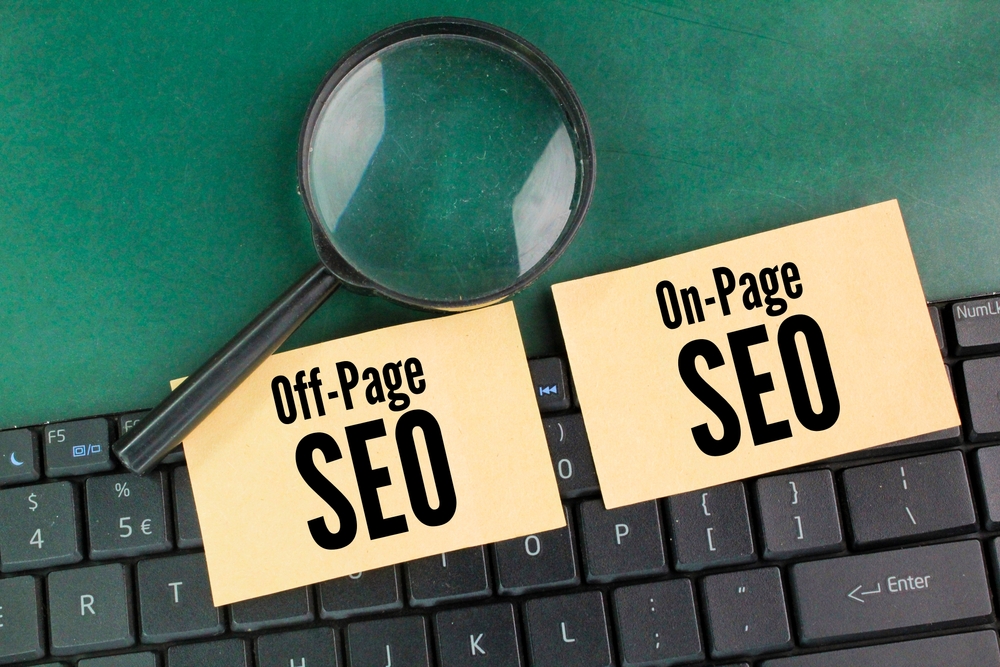
    On-page SEO focuses on optimizing website content and structure, while off-page SEO builds external authority.

    Understanding what is SEO shows why both strategies must work together for long-term success.

    What Is On Page SEO

    Common SEO Techniques in 2026

    Guest Posting

    Publishing content on reputable websites helps earn backlinks and brand exposure.

    Influencer Outreach

    Collaborating with influencers increases trust and visibility.

    Online Reviews

    Positive reviews improve brand reputation and local SEO rankings.

    Content Marketing

    High-quality content naturally attracts links and mentions.

    Benefits of SEO for Businesses

    Businesses that understand SEO gain:

    • Higher domain authority

    • Improved keyword rankings

    • Increased organic traffic

    • Better brand recognition

    • Long-term SEO stability

    India’s digital ecosystem strongly supports online branding and authority building.

    Best Practices for SEO in 2026

    1. Focus on quality backlinks, not quantity

    2. Avoid spammy link-building techniques

    3. Build relationships within your industry

    4. Encourage genuine brand mentions

    5. Strengthen local citations and reviews

    6. Monitor backlink profile regularly

    7. Combine off-page SEO with strong on-page SEO

    Professional SEO agencies specialize in ethical and effective off-page SEO strategies.

    Need expert help with off-page SEO for your website?

    Conclusion

    So, SEO in 2026? It is the practice of improving website authority, trust, and visibility through external signals like backlinks, brand mentions, and online reputation.

    SEO strengthens your website’s credibility in the eyes of search engines and users alike. When combined with strong on-page and technical SEO, it becomes a powerful driver of long-term digital growth.

    Explore more related articles to deepen your understanding

    Best Fonts for Branding: Create a Lasting Visual Identity

    SEO Content Writing: A Complete Guide for BeginnersDoes Google use Cloudflare

    Content Writing Basics: A Beginner’s Guide to Effective Writing

    What Is Copywriting

  • What Is On Page SEO? Complete Guide to On-Page Optimization in 2026

    What Is On Page SEO? Complete Guide to On-Page Optimization in 2026

    What Is On Page SEO? A Complete Guide to Website Optimization in 2026

    If you want your website to rank higher on Google, understanding SEO is essential. On-page SEO focuses on optimizing individual web pages so search engines and users can easily understand, trust, and engage with your content.

    In 2026, on-page SEO is more important than ever because search engines prioritize content quality, user experience, and relevance.

    What Is On Page SEO?

     On-page SEO refers to all optimization activities done within a website to improve its search engine rankings. It involves optimizing content, HTML elements, and page structure to match search intent.

    On-page SEO includes:

    • Content optimization

    • Keyword usage

    • Meta tags

    • Headings (H1, H2, H3)

    • Internal linking

    • Page speed and usability

    Learning SEO helps businesses control the most important ranking factors directly.

    How SEO Works

    Why Is On Page SEO Important?

    Improves Search Engine Rankings

    Search engines rely on on-page signals to understand what a page is about. Proper optimization improves relevance and ranking potential.

    Enhances User Experience

    On-page SEO improves readability, navigation, and content structure, making websites more user-friendly.

    Drives Targeted Traffic

    Optimized pages attract users searching for specific keywords, leading to higher-quality traffic.

    This explains clearly and why it matters.

    Key Elements of On Page SEO

    Content Optimization

    High-Quality Content

    High-quality, informative, and original content is the foundation. Content should match user intent and provide real value.

    Keyword Placement

    Using keywords naturally in titles, headings, and content helps search engines understand page relevance.

    Meta Tags Optimization

    Title Tags & Meta Descriptions

    Optimized title tags and meta descriptions improve click-through rates and search visibility.

    Heading Structure (H1, H2, H3)

    Proper heading structure helps both users and search engines scan content easily. Understanding on page SEO includes knowing how to organize content hierarchically.

    URL Optimization

    SEO-friendly URLs are short, descriptive, and include relevant keywords.

    Internal Linking

    Internal links connect related pages and help search engines crawl the website efficiently.

    Technical Aspects of On Page SEO

    Page Speed & Mobile Friendliness

    Fast-loading, mobile-optimized pages perform better in search rankings.

    Image Optimization

    Optimized images improve page speed and accessibility using alt text and compressed file sizes.

    User Experience Signals

    Low bounce rate, high engagement, and clear navigation strengthen on-page SEO performance.

    All these elements work together to define in 2026.

    On Page SEO vs Off Page SEO

    On-page SEO focuses on website-controlled elements, while off-page SEO involves backlinks and external signals. Both are important, but on-page SEO is the foundation.

    Without strong on-page SEO, off-page efforts become less effective.

    Benefits of SEO for Businesses

    Businesses that understand gain:

    • Higher search engine rankings

    • Better website visibility

    • Improved user engagement

    • Increased organic traffic

    • Stronger conversion rates

    India’s digital ecosystem strongly encourages quality website optimization and content.

    Best Practices for SEO in 2026

    1. Write content for users first

    2. Use keywords naturally (avoid stuffing)

    3. Optimize headings and structure

    4. Improve page speed and mobile usability

    5. Add relevant internal links

    6. Optimize images and media

    7. Update content regularly

    Professional SEO services ensure all on-page elements are optimized correctly.

    Want expert help with on-page SEO for your website?

    Conclusion

    So, SEO in 2026? It is the practice of optimizing website content, structure, and technical elements to improve search rankings and user experience. SEO gives you full control over how your website communicates with search engines and visitors.

    By implementing strong SEO strategies, businesses can achieve sustainable growth, higher visibility, and long-term online success.

    Explore more related articles to deepen your understanding

    Best Fonts for Branding: Create a Lasting Visual Identity

    SEO Content Writing: A Complete Guide for BeginnersDoes Google use Cloudflare

    Content Writing Basics: A Beginner’s Guide to Effective Writing
    What Is Copywriting

  • How SEO Works: Step-by-Step Guide to Search Engine Optimization in 2026

    How SEO Works: Step-by-Step Guide to Search Engine Optimization in 2026

    How SEO Works: A Complete Guide to Search Engine Optimization in 2026

    Many business owners invest in SEO but don’t fully understand the process behind it. If you’re wondering how SEO works, you’re not alone. SEO is a structured system that helps search engines discover, understand, and rank your website for relevant searches.

    In 2026, SEO focuses on user intent, content quality, and technical performance more than ever before.

    How SEO Works: The Basic Concept

    To understand,  you need to know how search engines operate. Search engines like Google use automated bots to crawl websites, index content, and rank pages based on relevance and quality.

    SEO works by optimizing your website so that search engines:

    • Can easily crawl your pages

    • Understand your content

    • Find it relevant to user searches

    • Rank it higher in results

    The better your optimization, the better your visibility.

    Step 1: Crawling – How Search Engines Discover Content

    What Is Crawling?

    Crawling is the first step in understanding how SEO works. Search engine bots scan websites by following links and reading page content.

    How SEO Helps Crawling

    SEO improves crawling by:

    • Creating a clean website structure

    • Using internal links properly

    • Optimizing URLs

    • Ensuring mobile-friendly design

    If a website cannot be crawled, it cannot rank.

    Step 2: Indexing – How Content Is Stored

    What Is Indexing?

    Once search engines crawl your website, they store your content in a massive database called an index. This step is critical to understanding how SEO works.

    SEO’s Role in Indexing

    SEO helps indexing by:

    • Using relevant keywords

    • Writing clear headings and content

    • Avoiding duplicate pages

    • Improving page speed

    Well-optimized pages are indexed faster and more accurately.

    Step 3: Ranking – How Search Engines Choose Results

    What Is Ranking?

    Ranking determines where your website appears in search results. This is where how SEO works becomes most visible.

    Search engines rank pages based on factors such as:

    • Content quality and relevance

    • Keyword usage

    • Page experience

    • Mobile optimization

    • Website authority and backlinks

    Higher-quality websites rank higher.

    Main Elements That Explain How SEO Works

    On-Page SEO

    Content & Keywords

    On-page SEO focuses on optimizing content, titles, headings, and keywords so search engines understand page relevance.

    Off-Page SEO

    Authority & Backlinks

    Off-page SEO improves trust by earning backlinks and mentions from other reputable websites.

    Technical SEO

    Website Performance

    Technical SEO improves site speed, security, indexing, and mobile usability—core factors in how SEO works in 2026.

    How SEO Works for User Experience

    Modern SEO is not just for search engines—it’s for users. SEO improves:

    • Website navigation

    • Page loading speed

    • Content readability

    • Mobile responsiveness

    These improvements help users stay longer on your site, which signals quality to search engines.

    How SEO Works for Business Growth

    Understanding how SEO works helps businesses:

    • Attract targeted traffic

    • Increase brand visibility

    • Generate quality leads

    • Reduce dependency on paid ads

    • Achieve long-term growth

    SEO delivers sustainable results compared to short-term marketing tactics.

    India’s digital growth initiatives emphasize strong online presence and content optimization.

    SEO Timeline: When Results Appear

    SEO is not instant. Typically:

    • Initial improvements: 2–3 months

    • Ranking growth: 4–6 months

    • Strong results: 6–12 months

    This timeline helps clarify how SEO works as a long-term strategy.

    How SEO Works
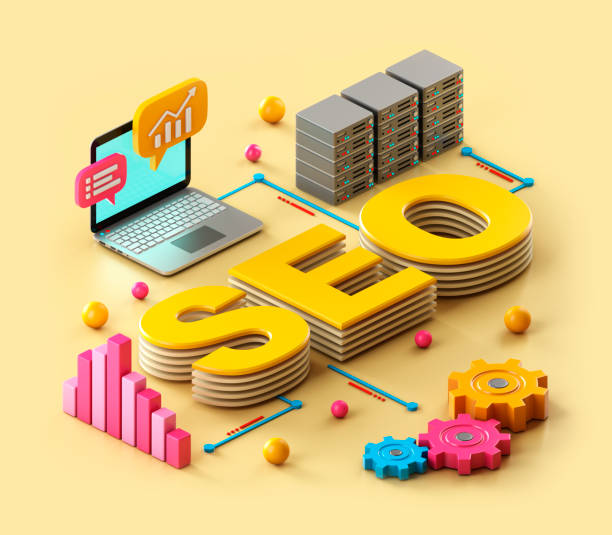
    Person working with search engine optimization : SEO with social media content and advertisement from website.

    Getting Started With SEO

    If you’re new and learning how SEO works, follow these steps:

    1. Research keywords

    2. Create high-quality content

    3. Optimize website structure

    4. Improve page speed

    5. Build internal and external links

    6. Track and refine SEO performance

    Professional SEO experts can help speed up results and avoid common mistakes.

    Want expert help implementing SEO for your website?

    Conclusion

    So, how SEO works in 2026 is simple but powerful. SEO helps search engines crawl, index, and rank your website while improving user experience and content quality. When done correctly, SEO becomes one of the most effective tools for long-term digital success.

    By understanding and applying SEO principles, businesses can stay visible, competitive, and relevant in an evolving online world.

    Explore more related articles to deepen your understanding

    Best Fonts for Branding: Create a Lasting Visual Identity

    SEO Content Writing: A Complete Guide for BeginnersDoes Google use Cloudflare

    Content Writing Basics: A Beginner’s Guide to Effective Writing
    What Is Copywriting

  • Why SEO Is Important for Business Growth & Online Visibility in 2026

    Why SEO Is Important for Business Growth & Online Visibility in 2026

    Why SEO Is Important: A Key to Online Success in 2026

    In today’s digital-first world, having a website alone is not enough. Millions of websites compete for attention every day. This is where SEO plays a critical role. Understanding why SEO is important can help businesses grow online, reach the right audience, and stay competitive in 2026.

    SEO is no longer optional—it has become a core strategy for sustainable digital growth.

    Why SEO Is Important for Online Visibility

    Search engines are the primary source of website traffic. When users search for products or services, they usually click on results that appear on the first page.

    Why its important becomes clear when you realize that higher rankings mean:

    • More visibility on search engines

    • Increased brand awareness

    • Higher chances of user engagement

    Without SEO, even the best websites remain invisible to potential customers.

    Why SEO Is Important for Organic Traffic

    1. Drives Free, Targeted Traffic

    SEO helps attract users who are actively searching for what you offer. This makes organic traffic highly targeted and valuable.

    2. Improves Click-Through Rates

    Websites ranking higher naturally receive more clicks compared to lower positions or paid ads.

    Understanding why its important helps businesses focus on long-term traffic growth rather than short-term campaigns.

    Why SEO Is Important for Business Growth

    Builds Trust and Credibility

    Higher Rankings = Higher Trust

    Users trust search engines. Websites that rank higher are perceived as more credible and reliable.

    Enhances User Experience

    Better Website Performance

    SEO improves site speed, mobile usability, navigation, and content quality—creating a better user experience.

    This clearly explains why SEO is important beyond just rankings.

    Why SEO Is Important for Cost-Effective Marketing

    Unlike paid advertising, SEO does not charge per click. While SEO requires time and strategy, it delivers long-term value.

    Benefits include:

    • Lower marketing costs

    • Consistent website traffic

    • Better ROI over time

    Businesses that understand why its important often prioritize it for sustainable growth.

    Why SEO Is Important
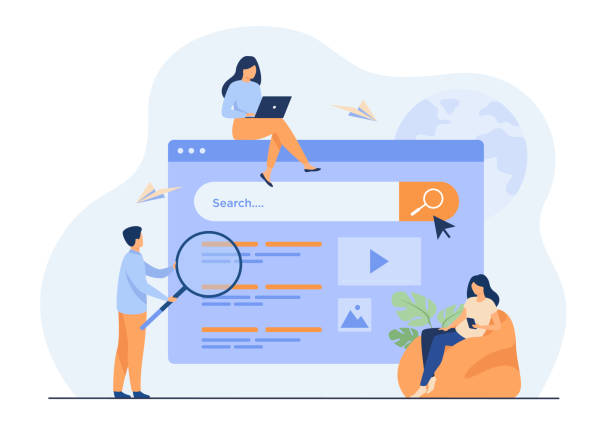
    Website admins using SEO tools to get their websites ranked in top search rankings in search engine. Website improvement concept to make search results higher.

    Why SEO Is Important in 2026

    Search engines are smarter than ever. In 2026, SEO focuses on:

    • Search intent

    • Content quality

    • User experience

    • Mobile-first indexing

    • AI-driven ranking signals

    SEO helps businesses adapt to these changes and stay visible in evolving algorithms.

    SEO Benefits for Small and Local Businesses

    SEO is especially powerful for small and medium businesses:

    • Competes with larger brands

    • Targets local and niche audiences

    • Improves lead quality

    • Builds long-term digital presence

    This further highlights why its important for businesses with limited advertising budgets.

    India’s digital ecosystem strongly promotes online visibility and digital adoption.

    SEO vs Paid Advertising

    Paid ads stop delivering results once the budget ends. SEO, however, continues to drive traffic over time.

    SEO advantages include:

    • Long-lasting results

    • Higher user trust

    • Better engagement

    • Sustainable growth

    This comparison makes it clear why its important for long-term success.

    How Businesses Can Start Using SEO

    To benefit from SEO:

    1. Identify relevant keywords

    2. Create high-quality content

    3. Optimize website structure

    4. Improve page speed and mobile experience

    5. Build internal and external links

    6. Track performance and optimize regularly

    Professional SEO services can help businesses implement these strategies effectively.

    Need expert SEO support for your business?

    Conclusion

    So, why Its important in 2026? SEO helps businesses increase visibility, attract targeted traffic, build trust, and achieve long-term growth. It is one of the most powerful and cost-effective digital marketing strategies available today.

    Investing in SEO ensures your business stays competitive, relevant, and discoverable in an increasingly crowded online marketplace.

    Explore more related articles to deepen your understanding

    Best Fonts for Branding: Create a Lasting Visual Identity

    SEO Content Writing: A Complete Guide for BeginnersDoes Google use Cloudflare

    Content Writing Basics: A Beginner’s Guide to Effective Writing
    What Is Copywriting

  • What Is SEO? Complete Beginner’s Guide to Search Engine Optimization 2026

    What Is SEO? Complete Beginner’s Guide to Search Engine Optimization 2026

    What Is SEO? A Complete Guide to Search Engine Optimization in 2026

    If you own a website or run an online business, you’ve probably heard the term SEO many times. But what is SEO, and why is it so important in 2026? SEO plays a crucial role in how websites appear on search engines like Google and how users discover businesses online.

    Understanding what is SEO can help you increase visibility, attract the right audience, and grow your business organically.

    What Is SEO?

    What is SEO? SEO stands for Search Engine Optimization. It is the process of optimizing a website so that it ranks higher on search engine results pages (SERPs) for relevant keywords.

    SEO focuses on:

    • Improving website visibility

    • Increasing organic (non-paid) traffic

    • Enhancing user experience

    • Meeting search engine guidelines

    In simple terms, SEO helps search engines understand your website better and show it to the right users at the right time.

    Why Is SEO Important in 2026?

    1. Increases Organic Traffic

    When users search for products or services online, they usually click on the top results. SEO helps your website appear in those top positions.

    2. Builds Trust and Credibility

    Websites ranking high on Google are often perceived as more trustworthy. Learning SEO helps businesses build long-term credibility.

    3. Cost-Effective Marketing

    Unlike paid ads, SEO delivers consistent traffic without paying for every click, making it a smart long-term strategy.

    How Does SEO Work?

    To fully understand SEO, it’s important to know how search engines work. Search engines use bots to crawl websites, index content, and rank pages based on relevance and quality.

    SEO works by optimizing different elements of a website so that search engines can easily crawl, understand, and rank it.

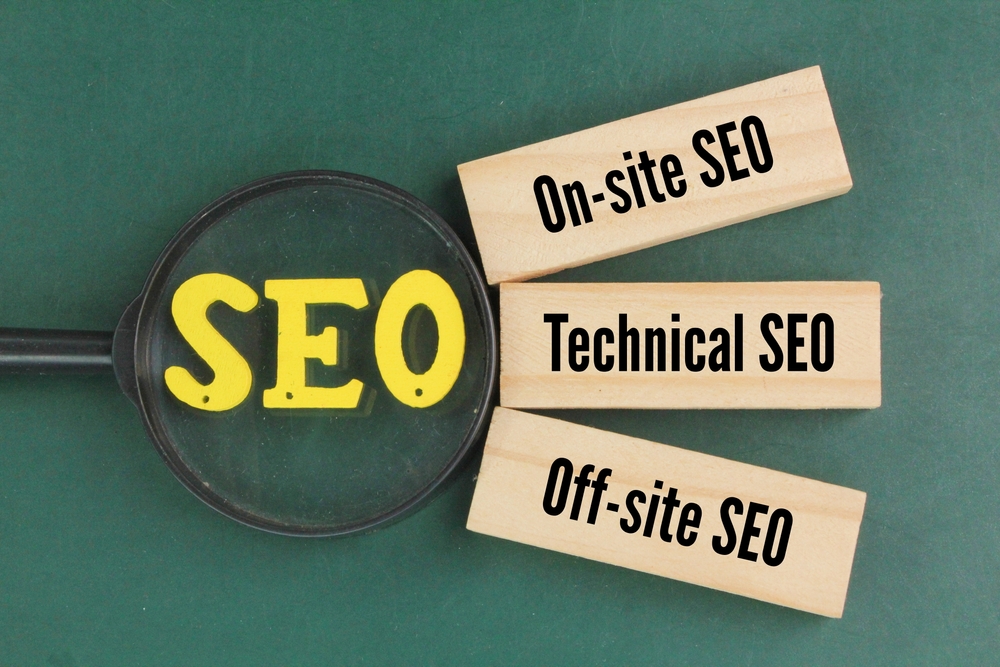
    Main Types of SEO

    On-Page SEO

    Content & Keyword Optimization

    On-page SEO focuses on optimizing website content, headings, keywords, meta tags, and internal links to improve relevance.

    Off-Page SEO

    Links & Authority Building

    Off-page SEO includes activities like backlinks, brand mentions, and online reputation management that build website authority.

    Technical SEO

    Website Performance & Structure

    Technical SEO improves site speed, mobile friendliness, indexing, and overall website performance.

    All three are essential to understanding SEO and how it delivers results.

    Key SEO Ranking Factors in 2026

    Search engines consider multiple factors when ranking websites:

    • High-quality content

    • Keyword relevance

    • Page speed and mobile optimization

    • Internal linking structure

    • User experience and engagement

    • Secure website (HTTPS)

    Keeping these factors optimized is essential for SEO success.

    What Is SEO

    Benefits of SEO for Businesses

    Businesses that understand SEO gain several advantages:

    • Higher website visibility

    • Increased brand awareness

    • Better user engagement

    • More qualified leads

    • Long-term online growth

    SEO is especially important for small and medium businesses competing with larger brands.

    India’s digital transformation initiatives strongly encourage online visibility and digital growth.

    SEO vs Paid Advertising

    While paid ads give instant results, SEO focuses on sustainable growth. SEO results take time but deliver long-lasting benefits without continuous ad spending. That’s why businesses learning SEO often invest in it as a core digital strategy.

    Getting Started With SEO

    If you’re new and wondering SEO and how to start:

    1. Research relevant keywords

    2. Create high-quality, useful content

    3. Optimize website structure

    4. Improve page speed and mobile usability

    5. Build internal and external links

    6. Track performance using analytics

    Professional SEO experts can help you implement these steps effectively.

    Want expert help with SEO for your website?

    Conclusion

    So,SEO in 2026? It is a powerful digital marketing strategy that helps websites rank higher, attract the right audience, and grow organically. SEO is no longer optional—it’s essential for online success.

    By understanding and implementing SEO correctly, businesses can stay competitive, visible, and relevant in an ever-evolving digital landscape.

    Explore more related articles to deepen your understanding

    Best Fonts for Branding: Create a Lasting Visual Identity

    SEO Content Writing: A Complete Guide for BeginnersDoes Google use Cloudflare

    Content Writing Basics: A Beginner’s Guide to Effective Writing
    What Is Copywriting