Author: naaz

  • Why Accessibility Is Crucial in 2026 Web Design

    Why Accessibility Is Crucial in 2026 Web Design

    Why Accessibility Is Crucial in 2026 Web Design

    Web accessibility is no longer an optional feature—it is a fundamental requirement. In 2026, digital experiences must be inclusive, usable, and equitable for everyone. Understanding why accessibility is crucial in 2026 web design helps businesses reach wider audiences, improve user experience, and meet modern digital standards.

    Accessibility is not just about compliance; it is about creating better websites for all users.

    Digital Inclusion Is a Core Expectation

    One of the strongest reasons why accessibility is crucial in 2026 web design is the growing expectation of digital inclusion. Users of all abilities, ages, and technical backgrounds access websites daily.

    Accessible design ensures:

    • Equal access to information

    • Usability for people with disabilities

    • Better experiences for older users

    • Support for low-bandwidth and older devices

    Inclusive websites serve everyone, not just a select group.

    Accessibility Improves Overall User Experience

    Accessibility and UX go hand in hand. This is a major reason why accessibility is crucial in 2026 web design. Features designed for accessibility often improve usability for all users.

    Examples include:

    • Clear navigation structures

    • Readable fonts and contrast

    • Simple language and layouts

    • Logical content flow

    An accessible website is easier, faster, and more enjoyable to use.

    Search Engines Reward Accessible Websites

    Search engines increasingly prioritize accessibility-related factors. This explains why accessibility web design from an SEO perspective.

    Accessible design improves:

    • Semantic HTML structure

    • Page readability and clarity

    • Crawlability and indexing

    • User engagement metrics

    Better accessibility often leads to better search visibility and rankings.

    Mobile and Accessibility Are Closely Connected

    Mobile usage dominates digital traffic, making accessibility even more important. This reinforces accessibility is crucial in web design.

    Mobile accessibility includes:

    • Touch-friendly buttons

    • Scalable text sizes

    • Voice navigation support

    • Screen-reader compatibility

    Accessible mobile design ensures smooth experiences across all devices.

    AI and Voice Interfaces Depend on Accessibility

    AI-driven experiences rely heavily on accessible design principles. Another key reason accessibility is crucial in web design is the rise of voice search and conversational interfaces.

    Accessibility supports:

    • Voice-based navigation

    • AI assistants and chatbots

    • Natural language interaction

    • Predictive and adaptive UX

    Websites built with accessibility in mind are better prepared for AI-powered interactions.

    Legal Compliance and Risk Reduction

    Governments and regulatory bodies worldwide are strengthening digital accessibility guidelines. This highlights why accessibility is crucial in 2026 web design from a compliance standpoint.

    Accessible websites help:

    • Meet legal and regulatory requirements

    • Reduce legal risks and penalties

    • Align with global accessibility standards

    In India, inclusive digital initiatives and accessibility guidelines are promoted by the Ministry of Electronics and Information Technology.

    Accessibility Builds Brand Trust and Reputation

    Trust is a major factor in digital success. This is another important reason why accessibility is crucial in 2026 web design.

    Accessible websites communicate:

    • Social responsibility

    • Ethical digital practices

    • Customer-first values

    • Brand credibility

    Users are more likely to trust and support brands that prioritize inclusivity.
    Accessibility Is Crucial in 2026 Web Design

    Accessibility Expands Market Reach

    Ignoring accessibility means excluding a large audience. This clearly shows why accessibility is crucial in 2026 web design for business growth.

    Accessible design allows businesses to:

    • Reach users with disabilities

    • Serve diverse user needs

    • Increase engagement and loyalty

    • Improve conversion opportunities

    Inclusivity directly supports long-term growth.

    Future-Ready and Scalable Design

    Accessibility ensures websites remain adaptable as technologies evolve. This explains why accessibility is crucial in 2026 web design for long-term sustainability.

    Future-ready accessible design supports:

    • New devices and interfaces

    • AI and voice technologies

    • Changing user expectations

    • Scalable digital platforms

    Accessibility is an investment in the future.

    Make Accessibility a Design Priority

    Accessibility should be built into websites from the beginning—not added later. Businesses that prioritize accessibility gain better UX, stronger SEO, wider reach, and long-term trust.

    If you’re planning to design or redesign a website with accessibility at its core, expert guidance can help you implement best practices effectively.
    Connect with web professionals here.

    Final Thoughts

    So, why accessibility is crucial in 2026 web design?
    Because it improves user experience, boosts SEO, supports AI and mobile interactions, ensures compliance, builds trust, and expands reach.

    Explore more related articles to deepen your understanding

    Best Fonts for Branding: Create a Lasting Visual Identity

    SEO Content Writing: A Complete Guide for BeginnersDoes Google use Cloudflare

    Content Writing Basics: A Beginner’s Guide to Effective Writing

    What Is Copywriting

  • Why Mobile-First Design Dominates in 2026

    Why Mobile-First Design Dominates in 2026

    Why Mobile-First Design Dominates in 2026

    The way people access the internet has permanently changed. In 2026, mobile devices are the primary gateway to digital experiences. This shift explains why mobile-first design dominates in 2026 and why businesses must prioritize mobile users to stay relevant, visible, and competitive.

    Mobile-first design is no longer a trend—it is the foundation of modern website strategy.

    Mobile Usage Has Overtaken Desktop

    The biggest reason why mobile-first design dominates in 2026 is user behavior. The majority of users now browse, search, shop, and interact online through smartphones rather than desktops.

    Mobile-first design ensures:

    • Optimized layouts for small screens

    • Easy navigation using thumbs

    • Faster loading on mobile networks

    • Better engagement for on-the-go users

    If a website fails on mobile, it fails overall.

    Search Engines Prioritize Mobile Experience

    Search engines now evaluate websites primarily based on their mobile performance. This is a major reason why mobile-first design dominates in 2026 from an SEO perspective.

    Mobile-first design improves:

    • Search rankings

    • Core Web Vitals performance

    • Page load speed

    • Crawlability and indexing

    A poor mobile experience directly impacts visibility and organic traffic.

    User Experience Is Stronger on Mobile-First Websites

    User experience plays a critical role in digital success. Another key reason why mobile-first design dominates in 2026 is its ability to deliver cleaner, more focused UX.

    Mobile-first UX encourages:

    • Simpler layouts

    • Clear calls-to-action

    • Reduced clutter

    • Faster decision-making

    Designing for mobile first forces clarity and usability, which benefits all devices.

    Speed and Performance Matter More on Mobile

    Mobile users expect instant results, even on slower networks. This explains why mobile-first design dominates in 2026 when performance is a priority.

    Mobile-first design focuses on:

    • Lightweight code

    • Optimized images and media

    • Faster page rendering

    • Reduced data usage

    Speed directly affects bounce rates, engagement, and conversions.

    Mobile-First Design Dominates

    AI and Personalization Work Best on Mobile

    AI-driven personalization is increasingly designed around mobile behavior. This is another reason why mobile-first design dominates in 2026.

    Mobile-first websites support:

    • Location-based personalization

    • AI-powered content recommendations

    • Predictive navigation

    • Voice and conversational interfaces

    Mobile devices provide richer real-time data, making AI experiences more effective.

    E-Commerce and Conversions Are Mobile-Driven

    Online shopping has become mobile-centric. A major business reason why mobile-first design dominates in 2026 is its impact on conversions.

    Mobile-first design improves:

    • Mobile checkout experiences

    • Simplified forms

    • One-tap actions

    • Faster purchasing decisions

    Businesses that optimize for mobile see higher conversion rates and customer retention.

    Accessibility and Inclusivity Depend on Mobile Design

    Mobile-first design supports accessibility by default. This reinforces why mobile-first design dominates in 2026 for inclusive digital experiences.

    Accessible mobile design includes:

    • Readable text sizes

    • Touch-friendly buttons

    • Voice navigation support

    • Screen-reader compatibility

    Indian digital initiatives also emphasize inclusive mobile experiences, supported by guidelines from the Ministry of Electronics and Information Technology.

    Consistency Across Devices Starts with Mobile

    Designing for mobile first ensures consistency across all screen sizes. This is another practical reason why mobile-first design dominates in 2026.

    Mobile-first architecture allows:

    • Smooth scaling to tablets and desktops

    • Unified brand experience

    • Easier maintenance and updates

    When mobile works perfectly, other devices follow naturally.

    Future Technologies Are Mobile-Centered

    Emerging technologies like voice search, wearable devices, AR features, and location-based services are deeply connected to mobile platforms. This future focus further explains why mobile-first design dominates in 2026.

    Mobile-first websites are better prepared for:

    • Voice-based interactions

    • AI assistants

    • Smart device integrations

    • Future digital behaviors

    Adopt Mobile-First for Long-Term Growth

    Mobile-first design is essential for visibility, usability, and growth in 2026. Businesses that prioritize mobile users gain stronger engagement, better SEO, and higher conversions.

    If you’re planning to redesign or build a mobile-first website that’s future-ready, expert guidance can help you do it right.
    Talk to web professionals here

    Final Thoughts

    So, why mobile-first design dominates in 2026?
    Because mobile defines how users search, interact, and convert. It improves UX, SEO, performance, accessibility, and future readiness—all critical for digital success.

    Explore more related articles to deepen your understanding

    Best Fonts for Branding: Create a Lasting Visual Identity

    SEO Content Writing: A Complete Guide for BeginnersDoes Google use Cloudflare

    Content Writing Basics: A Beginner’s Guide to Effective Writing

    What Is Copywriting

  • Why UX in Website Design 2026 for Better Growth

    Why UX in Website Design 2026 for Better Growth

    Why UX in Website Design 2026

    User experience has become the backbone of successful digital platforms. In 2026, websites are judged not only by how they look, but by how they feel to users. Understanding why UX in website design 2026 is essential for businesses that want to improve engagement, visibility, and conversions in a competitive digital environment.

    UX is no longer a design trend—it is a business necessity.

    Users Expect Effortless Digital Experiences

    One of the strongest reasons why UX in website design 2026 is changing user behavior. Today’s users expect websites to be intuitive, fast, and frustration-free. If a site feels confusing or slow, users leave within seconds.

    Good UX ensures:

    • Simple and clear navigation

    • Logical content flow

    • Easy access to information

    • Reduced cognitive load

    A smooth experience keeps users engaged and builds trust instantly.

    UX Directly Impacts First Impressions

    First impressions are formed in seconds. This is a critical reason why UX in website design 2026. Even visually attractive websites fail if users struggle to interact with them.

    Strong UX design helps:

    • Create positive first impressions

    • Build credibility and professionalism

    • Encourage users to explore further

    In 2026, usability defines brand perception as much as visuals.

    Better UX Improves SEO Performance

    Search engines now evaluate user behavior signals such as bounce rate, time on site, and interaction. This explains why UX in website design 2026 from an SEO perspective.

    UX-focused design improves:

    • Page engagement metrics

    • Core Web Vitals scores

    • Content accessibility

    • Internal navigation and crawlability

    A website designed for users naturally performs better in search rankings.

    UX in Website Design 2026

    Mobile UX Is a Ranking and Conversion Factor

    Mobile traffic dominates the web, making mobile UX a key reason why UX in website design 2026. Poor mobile usability results in lost traffic and lower conversions.

    Modern UX ensures:

    • Mobile-first layouts

    • Thumb-friendly navigation

    • Fast mobile load times

    • Seamless experience across devices

    Mobile UX is no longer optional—it’s essential.

    AI-Powered UX Enhances Personalization

    AI plays a major role in shaping user experiences. Another reason why UX in website design 2026 is personalization powered by artificial intelligence.

    AI-driven UX enables:

    • Personalized content and layouts

    • Smart recommendations

    • Predictive navigation

    • Adaptive user journeys

    Personalized UX increases engagement and customer satisfaction.

    UX Reduces Bounce Rates and Increases Conversions

    Poor UX causes users to leave quickly. This is a clear reason why UX in website design 2026 for business growth.

    Well-designed UX helps:

    • Guide users toward clear actions

    • Simplify forms and checkout processes

    • Reduce friction in decision-making

    • Improve lead generation

    Better UX directly translates into higher conversion rates.

    Accessibility Is a Core UX Principle

    Inclusive design is now a fundamental part of UX. This reinforces why UX in website design 2026 for reaching wider audiences.

    Accessible UX includes:

    • Readable fonts and contrast

    • Screen-reader compatibility

    • Keyboard and voice navigation

    Indian digital initiatives increasingly promote accessible user experiences, supported by guidelines from the Ministry of Electronics and Information Technology.

    UX Builds Trust and Long-Term Loyalty

    Trust is built through consistent, reliable experiences. This is another major reason website design 2026.

    Trust-driven UX includes:

    • Clear messaging

    • Transparent navigation

    • Predictable interactions

    • Secure and user-friendly forms

    When users feel comfortable, they return—and recommend your brand.

    UX Supports Scalable and Future-Ready Design

    Modern UX design ensures websites can adapt to future technologies, user behaviors, and business growth. This explains website design 2026 from a long-term strategy perspective.

    Future-ready UX allows:

    • Easy updates and enhancements

    • Integration with AI tools and CRMs

    • Consistent experiences as platforms evolve

    Invest in UX for Sustainable Growth

    UX is no longer just a design layer—it is a growth driver. Businesses that prioritize UX gain better visibility, higher engagement, and stronger conversions.

    If you’re planning to improve or redesign your website with a strong UX foundation, expert guidance can help you get it right.
    Connect with web professionals here

    Final Thoughts

    So, why UX in website design 2026?
    Because it shapes user satisfaction, improves SEO, boosts conversions, supports accessibility, and builds lasting trust.

    Explore more related articles to deepen your understanding

    Best Fonts for Branding: Create a Lasting Visual Identity

    SEO Content Writing: A Complete Guide for BeginnersDoes Google use Cloudflare

    Content Writing Basics: A Beginner’s Guide to Effective Writing
    What Is Copywriting

  • Why Businesses Need Website Redesign in 2026

    Why Businesses Need Website Redesign in 2026

    Why Businesses Need Website Redesign in 2026

    Digital expectations are changing faster than ever. In 2026, a business website is not just a marketing tool—it is a core business asset. Understanding why businesses need website redesign in 2026 is essential for staying competitive, relevant, and profitable in a highly digital-first world.

    An outdated website can silently harm brand image, SEO rankings, and customer trust.

    Changing User Expectations

    One of the primary reasons why businesses need website redesign in 2026 is evolving user behavior. Today’s users expect fast, intuitive, and personalized experiences. Websites designed even a few years ago often fail to meet modern expectations.

    Redesign helps businesses:

    • Improve navigation and usability

    • Reduce bounce rates

    • Deliver smoother user journeys

    • Meet modern UX standards

    If users struggle, they leave—and they rarely return.

    Mobile-First Is Mandatory

    Mobile traffic dominates online activity. Older websites often struggle with mobile responsiveness, making this a key reason why businesses need website design in 2026.

    A modern redesign ensures:

    • Mobile-first layouts

    • Faster mobile load times

    • Thumb-friendly navigation

    • Seamless cross-device experience

    Without mobile optimization, businesses lose visibility and customers.

    SEO Standards Have Evolved

    Search engines now prioritize experience, speed, and structure. Another strong reason why businesses need website redesign in 2026 is SEO performance.

    Redesign improves:

    • Core Web Vitals

    • Page speed and performance

    • Clean site architecture

    • Better internal linking

    A redesigned website aligns with modern SEO requirements and improves search rankings.

    AI-Ready Websites Drive Growth

    AI is shaping digital experiences. Many older websites cannot support AI features, which explains why businesses need website redesign in 2026.

    An AI-ready redesign enables:

    • Personalized content delivery

    • AI chatbots and automation

    • Smart recommendations

    • Predictive user journeys

    Businesses using AI-powered websites stay ahead of competitors.

    Brand Image and Credibility Matter

    Your website reflects your brand. An outdated design sends the wrong message. This is another key reason why businesses need website redesign in 2026.

    A redesign helps:

    • Refresh brand identity

    • Build credibility and trust

    • Align visuals with current branding

    • Improve first impressions

    In 2026, trust begins online.

    Speed and Performance Impact Conversions

    Website speed directly affects conversions. Older designs often rely on heavy code and outdated frameworks. This is a major reason why businesses need website redesign in 2026.

    Modern redesign focuses on:

    • Lightweight code

    • Optimized images and media

    • Faster hosting and caching

    Faster websites convert better and rank higher.

    Accessibility and Compliance

    Accessibility is no longer optional. Inclusive design ensures usability for everyone, making it a crucial factor in why businesses need website redesign in 2026.

    Accessibility-focused redesign includes:

    • Readable typography and contrast

    • Screen-reader compatibility

    • Keyboard and voice navigation

    Indian digital standards increasingly emphasize accessibility, supported by guidelines from the Ministry of Electronics and Information Technology.

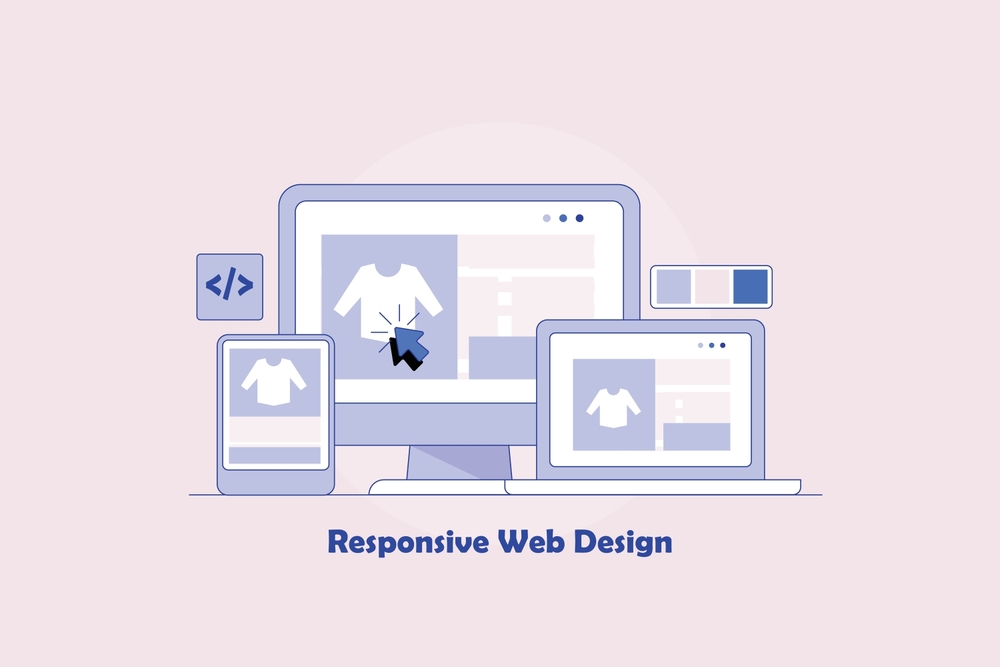
    Website Redesign

    Security and Data Privacy

    Cyber threats are rising. Older websites often lack modern security standards. This highlights why businesses need website redesign in 2026.

    Redesign improves:

    • Security protocols

    • Data protection

    • User trust and compliance

    • Safe forms and transactions

    Security is now part of design, not just development.

    Scalability for Future Growth

    Businesses evolve—and websites must evolve with them. Another key reason why businesses need website redesign in 2026 is scalability.

    A modern website allows:

    • Easy feature expansion

    • Integration with CRMs and tools

    • Long-term performance stability

    Redesign ensures your website grows with your business.

    Redesign for Long-Term Success

    Website redesign is not an expense—it’s an investment in growth. Businesses that redesign their websites in 2026 gain better visibility, stronger engagement, and higher conversions.

    If you’re planning a website redesign or want to future-proof your digital presence, expert support can help.
    Connect with professionals here

    Final Thoughts

    So, why businesses need website redesign in 2026?
    Because modern users demand better experiences, search engines require higher standards, AI-driven personalization is essential, and trust begins with design.

    Explore more related articles to deepen your understanding

    Best Fonts for Branding: Create a Lasting Visual Identity

    SEO Content Writing: A Complete Guide for BeginnersDoes Google use Cloudflare

    Content Writing Basics: A Beginner’s Guide to Effective Writing

    What Is Copywriting

  • Why Website Design Is Important in 2026 for Business Growth

    Why Website Design Is Important in 2026 for Business Growth

    Why Website Design Is Important in 2026

    In 2026, a website is no longer just a digital brochure—it is the foundation of a brand’s online success. Understanding why website design is important in 2026 is critical for businesses that want to attract users, build trust, and convert visitors into customers.

    With evolving user expectations, AI-driven platforms, and competitive digital markets, website design directly influences visibility, credibility, and growth.

    First Impressions Define Brand Trust

    One of the biggest reasons why website design is important in 2026 is first impressions. Users form an opinion about a brand within seconds of landing on a website. A poorly designed site immediately reduces trust and increases bounce rates.

    Modern website design ensures:

    • Professional visual identity

    • Clear brand messaging

    • Consistent layout and navigation

    • Strong credibility signals

    A well-designed website builds confidence from the very first interaction.

    User Experience Drives Engagement

    User experience (UX) has become the heart of digital success. When asking why website design is important in 2026, UX is one of the strongest answers.

    Good design helps users:

    • Find information quickly

    • Navigate effortlessly

    • Complete actions without friction

    • Enjoy smooth, intuitive interactions

    Websites designed around user behavior keep visitors engaged longer and increase conversion rates.

    Mobile-First Design Is No Longer Optional

    Mobile usage continues to dominate online traffic. This is another major reason why website design is important in 2026. Websites must perform perfectly across smartphones, tablets, foldable devices, and future screen formats.

    Mobile-first design ensures:

    • Faster loading on mobile networks

    • Thumb-friendly navigation

    • Responsive layouts across devices

    Without mobile optimization, businesses lose visibility and customers.

    Website Design Impacts SEO and Search Visibility

    Search engines now evaluate user experience, speed, and structure as ranking factors. That’s why why website design is important in 2026 is closely tied to SEO success.

    Modern design improves:

    • Page load speed

    • Core Web Vitals scores

    • Structured content for AI search

    • Internal linking and crawlability

    Design and SEO now work together as a single system.

    Website Design Is Important in 2026

    AI-Ready Design Enhances Personalization

    AI-powered websites are becoming the standard. Another key reason why website design is important in 2026 is its role in enabling AI-driven personalization.

    AI-ready design allows:

    • Personalized content delivery

    • Smart recommendations

    • Predictive navigation

    • AI chat and support integration

    Personalized experiences increase engagement and customer satisfaction.

    Accessibility Expands Reach and Compliance

    Inclusive design is essential in 2026. Websites must be accessible to users of all abilities, devices, and internet speeds. This is a crucial aspect of why website design is important in 2026.

    Accessibility-focused design includes:

    • Readable typography and contrast

    • Screen-reader-friendly structures

    • Keyboard and voice navigation

    Indian digital initiatives also emphasize inclusive technology, supported by guidelines from the Ministry of Electronics and Information Technology.

    Speed and Performance Influence Conversions

    Users expect instant performance. Slow websites lead to higher bounce rates and lost revenue. This directly explains why website design is important in 2026 from a business perspective.

    Modern design focuses on:

    • Lightweight code

    • Optimized images and media

    • Fast hosting and caching

    Speed is no longer technical—it’s a design priority.

    Security and Privacy Build User Confidence

    Website design now visibly reflects security and trust. Secure layouts, transparent privacy policies, and safe checkout experiences are part of modern design standards.

    Security-driven design helps:

    • Protect user data

    • Prevent cyber threats

    • Build long-term trust

    Trust is a key conversion factor in 2026.

    Design Supports Business Growth and Scalability

    Another reason why website design is important in 2026 is scalability. Websites must grow with the business—supporting new features, integrations, and traffic without redesigning from scratch.

    Future-ready design allows:

    • Easy updates and expansion

    • Integration with AI tools and CRMs

    • Long-term performance stability

    Invest in the Right Website Design

    Website design is a strategic investment, not a cost. A modern, well-designed website improves visibility, engagement, trust, and conversions—all essential for success in 2026.

    If you’re planning to redesign or build a future-ready website, expert guidance can help you make the right decisions.
    Talk to web professionals here

    Final Thoughts

    So, why website design is important in 2026?
    Because it shapes user experience, drives SEO, enables AI personalization, ensures accessibility, builds trust, and fuels business growth.

    If you want, I can also:
    ✔ Add FAQ schema
    ✔ Convert this into a landing page
    ✔ Optimize for WordPress
    ✔ Customize for Indian SEO keywords

    Explore more related articles to deepen your understanding

    Best Fonts for Branding: Create a Lasting Visual Identity

    SEO Content Writing: A Complete Guide for BeginnersDoes Google use Cloudflare

    Content Writing Basics: A Beginner’s Guide to Effective Writing
    What Is Copywriting

  • What Is AI Website Design in 2026? Features, Benefits & Trends

    What Is AI Website Design in 2026? Features, Benefits & Trends

    What Is AI Website Design in 2026

    Artificial intelligence has transformed the way websites are designed, built, and experienced. In today’s digital landscape, what is AI website design in 2026 goes far beyond automation—it represents intelligent, adaptive, and user-driven web experiences.

    AI website design combines machine learning, data analytics, and automation to create websites that respond in real time to user behavior, preferences, and intent.

    Understanding AI Website Design

    To fully grasp what is AI website design in 2026, it’s important to understand its core idea: websites that learn and evolve. Instead of static layouts and fixed content, AI-powered websites continuously optimize themselves based on real user interactions.

    AI analyzes data such as:

    • User behavior and navigation paths

    • Time spent on pages

    • Click patterns and preferences

    • Location and device usage

    Using this data, websites automatically improve performance and engagement.

    Key Features of AI Website Design in 2026

    AI-Powered Personalization

    One of the strongest aspects of what is AI website design in 2026 is personalization. AI customizes content, images, layouts, and calls-to-action for each visitor.

    This includes:

    • Personalized homepages

    • Dynamic product or service recommendations

    • Customized user journeys

    • Targeted content delivery

    Every visitor experiences a website tailored specifically to them.

    Smart UX and Predictive Design

    AI enhances user experience by predicting what users want before they ask. Navigation menus, search results, and page layouts adjust dynamically based on behavior patterns.

    This predictive design approach is central to what is AI website design in 2026, making websites more intuitive and friction-free.

    AI Chatbots and Conversational Interfaces

    Another defining feature of what is AI website design in 2026 is conversational AI. Websites now include intelligent chatbots that understand natural language and provide instant, accurate responses.

    AI chat systems:

    • Offer 24/7 customer support

    • Guide users through services or purchases

    • Reduce bounce rates

    • Improve conversion rates

    These bots feel more human, contextual, and responsive than ever before.

    AI in Website Content and SEO

    AI plays a major role in content optimization. AI tools analyze search intent, keyword performance, and user engagement to optimize website content automatically.

    When exploring what is AI website design in 2026, SEO integration is key:

    • AI-driven keyword optimization

    • Content suggestions based on user intent

    • Voice search and AI search readiness

    • Real-time SEO performance tracking

    Design and SEO now work together seamlessly through AI.

    Speed, Performance, and Automation

    AI helps websites load faster and perform better. Performance optimization is automated using AI-driven monitoring systems that detect issues and resolve them in real time.

    AI improves:

    • Page loading speed

    • Image and media optimization

    • Server performance

    • Core Web Vitals

    Speed is no longer manually managed—it’s intelligently controlled.

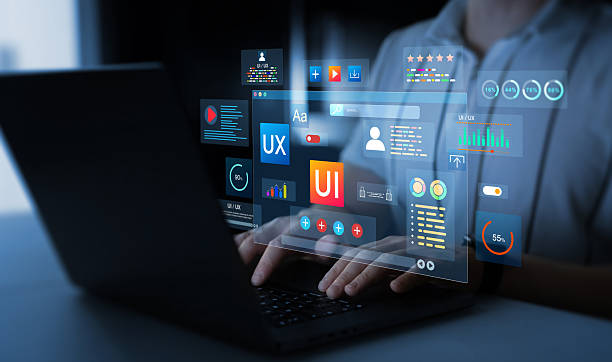
     AI Website Design in 2026
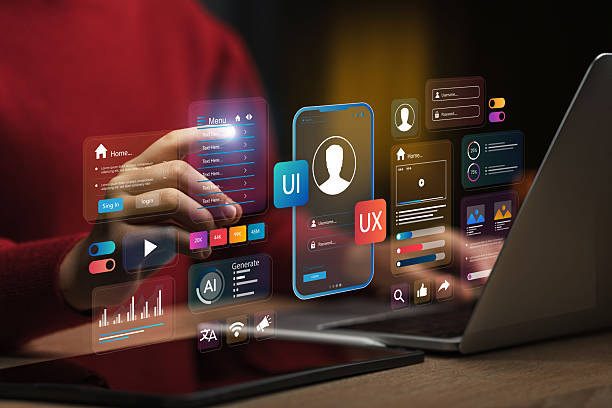
    UX-UI Design Web and Application User Design Concepts Web Design Application Design User Experience User Interface Data Visualization Creative Planning Holographic Display

    Accessibility and Inclusive AI Design

    Accessibility is a critical part of what is AI website design in 2026. AI ensures websites are usable for everyone, including users with disabilities.

    AI accessibility features include:

    • Voice navigation

    • Screen reader optimization

    • Automatic contrast and font adjustments

    • Smart content restructuring

    Indian digital initiatives also emphasize inclusive technology, supported by guidelines from the Ministry of Electronics and Information Technology.

    Security and Trust Through AI

    AI also enhances website security. Intelligent systems monitor traffic patterns to detect threats, prevent attacks, and protect user data.

    Security benefits include:

    • Fraud detection

    • Secure authentication

    • Real-time threat monitoring

    • Improved data privacy

    Trust and safety are now built directly into website design.

    Why AI Website Design Matters in 2026

    From a business perspective, what is AI website design in 2026 means higher efficiency, better engagement, and improved conversions. AI reduces manual effort while delivering smarter digital experiences.

    Benefits include:

    • Higher user retention

    • Better lead generation

    • Lower operational costs

    • Scalable website growth

    Businesses that adopt AI-powered design stay ahead of competitors.

    Build an AI-Powered Website

    AI website design is no longer optional—it’s the future of the web. If you’re planning to upgrade or build a future-ready, AI-driven website, expert guidance can help you implement the right strategy.

    Speak with web professionals here

    Final Thoughts

    So, what is website design?
    It is intelligent, adaptive, personalized, fast, accessible, and secure. AI transforms websites from static platforms into living systems that evolve with users and technology.

    If you want, I can also:
    ✔ Add FAQ schema
    ✔ Convert this into a service page
    ✔ Optimize for WordPress
    ✔ Customize for Indian SEO keywords

    Explore more related articles to deepen your understanding

    Best Fonts for Branding: Create a Lasting Visual Identity

    SEO Content Writing: A Complete Guide for BeginnersDoes Google use Cloudflare

    Content Writing Basics: A Beginner’s Guide to Effective Writing
    What Is Copywriting

  • What Technologies Are Used in Website Design 2026?

    What Technologies Are Used in Website Design 2026?

    What Technologies Are Used in Website Design 2026

    Website design in 2026 is powered by advanced technologies that go far beyond basic HTML and CSS. Modern websites are intelligent, fast, secure, and deeply personalized. Understanding what technologies are used in website design 2026 helps businesses build future-ready digital platforms that deliver exceptional user experiences and measurable results.

    From AI-driven interfaces to performance-focused frameworks, technology now defines how websites look, feel, and function.

    Artificial Intelligence (AI) and Machine Learning

    One of the most important answers to what technologies are used in website design 2026 is artificial intelligence. AI is integrated directly into the design and functionality of websites, not just used as a backend tool.

    AI technologies enable:

    • Personalized content and layouts

    • Smart recommendations

    • AI chatbots and virtual assistants

    • Predictive user behavior analysis

    Machine learning continuously improves website performance by learning from user interactions in real time.

    Modern Front-End Frameworks

    Front-end development relies on powerful frameworks that make websites faster, scalable, and interactive. These technologies are a core part of what technologies are used in website design 2026.

    Popular front-end technologies include:

    • React and Next.js for dynamic UI

    • Vue.js for lightweight performance

    • Web Components for modular design

    These frameworks help designers and developers build responsive, component-based interfaces efficiently.

    Headless CMS and API-First Architecture

    Traditional content management systems are being replaced by headless CMS platforms. This shift is central to what technologies are used in website design 2026.

    Headless CMS benefits include:

    • Faster performance

    • Flexible content delivery across devices

    • Easy integration with apps and AI tools

    • Improved security

    API-first architecture allows content to be delivered anywhere—from websites to mobile apps and smart devices.

    Mobile-First and Responsive Design Technologies

    Mobile-first design remains essential in 2026. Technologies supporting responsive layouts ensure seamless experiences across all screen sizes.

    Key technologies include:

    • CSS Grid and Flexbox

    • Progressive Web Apps (PWAs)

    • Adaptive image loading

    These tools help websites function smoothly on smartphones, tablets, foldables, and emerging devices.

    Performance and Speed Optimization Tools

    Speed is a major ranking and usability factor. A major part of what technologies are used in website design 2026 focuses on performance optimization.

    Technologies used include:

    • Content Delivery Networks (CDNs)

    • Edge computing

    • Lazy loading for images and videos

    • Modern image formats like WebP and AVIF

    Fast-loading websites improve SEO, engagement, and conversions.

    Accessibility and Inclusive Design Technologies

    Accessibility technologies ensure websites are usable by everyone. In 2026, accessibility is built into design systems from the start.

    These technologies support:

    • Screen reader compatibility

    • Voice navigation

    • Semantic HTML structures

    • Accessible color and typography systems

    Indian digital standards and accessibility initiatives are supported by organizations like the Ministry of Electronics and Information Technology.

    Security and Privacy Technologies

    Security is no longer optional. When discussing what technologies are used in website design 2026, security tools play a critical role.

    Key security technologies include:

    • HTTPS and SSL encryption

    • Secure authentication systems

    • Data privacy compliance tools

    • Cloud-based security monitoring

    Security features are now visible design elements that build user trust.

    Technologies Are Used in Website Design

    SEO and Search Intelligence Technologies

    SEO in 2026 relies on advanced technologies that integrate directly into website design.

    These include:

    • Structured data and schema markup

    • Voice search optimization

    • AI-driven content optimization tools

    • Core Web Vitals monitoring

    Search engine readiness is built into the website architecture itself.

    Cloud Hosting and Scalable Infrastructure

    Modern websites use cloud-based infrastructure for flexibility and growth. Cloud technologies are a key component of what technologies are used in website design 2026.

    Benefits include:

    • Automatic scalability

    • High availability

    • Faster global access

    • Reduced downtime

    Cloud hosting ensures websites remain reliable as traffic grows.

    Future-Ready Website Development

    Website design in 2026 combines design, technology, and strategy into a single ecosystem. These technologies help businesses stay competitive, secure, and adaptable in a rapidly changing digital world.

    If you’re planning to build or upgrade a website using the latest technologies, expert support can help you choose the right tools and architecture.
    Connect with web professionals here

    Final Thoughts

    So, what technologies are used in website design 2026?
    They include AI, modern frameworks, headless CMS, mobile-first tools, performance optimization, accessibility systems, security technologies, and cloud infrastructure—all working together to create intelligent, high-performing websites.

    Explore more related articles to deepen your understanding

    Best Fonts for Branding: Create a Lasting Visual Identity

    SEO Content Writing: A Complete Guide for BeginnersDoes Google use Cloudflare

    Content Writing Basics: A Beginner’s Guide to Effective Writing

    What Is Copywriting

  • What Makes a Modern Website in 2026? Features & Best Practices

    What Makes a Modern Website in 2026? Features & Best Practices

    What Makes a Modern Website in 2026

    The definition of a modern website has changed dramatically. In 2026, a website is no longer just an online presence—it is a powerful digital system that drives engagement, trust, and conversions. So, what makes a modern website in 2026 is a mix of intelligent design, advanced technology, seamless performance, and user-first thinking.

    Businesses that want to stay competitive must understand these essential elements shaping modern web experiences.

    User-Centered Design at the Core

    One of the strongest answers to what makes a modern website in 2026 is user-centered design. Every design decision starts with understanding user intent, behavior, and expectations.

    Modern websites focus on:

    • Clear navigation

    • Intuitive layouts

    • Easy-to-find information

    • Minimal friction in user journeys

    Design is no longer about what looks good—it’s about what works best for users.

    AI-Powered Personalization

    Artificial intelligence plays a major role in defining what makes a modern website in 2026. Websites now personalize content automatically based on user behavior, location, preferences, and browsing history.

    AI enables:

    • Personalized homepage content

    • Smart product or service recommendations

    • Predictive search and navigation

    • AI-driven chat and support systems

    This creates a more engaging and relevant experience for every visitor.


     Modern Website in 2026

    Mobile-First and Multi-Device Ready

    A modern website in 2026 is built for mobile first—and then optimized for everything else. Smartphones, tablets, foldable devices, and even wearables influence design decisions.

    Mobile-first design includes:

    • Fast mobile load speeds

    • Thumb-friendly navigation

    • Responsive layouts across all screen sizes

    Mobile compatibility is no longer optional; it’s essential.

    Speed, Performance, and Core Web Vitals

    Another key factor in what makes a modern website in 2026 is performance. Users expect websites to load instantly. Search engines reward fast, optimized sites with higher rankings.

    Modern websites use:

    • Lightweight frameworks

    • Optimized images and media

    • Smart caching and hosting solutions

    • Clean, efficient code

    Speed directly impacts user experience, SEO, and conversions.

    Accessibility and Inclusive Design

    Accessibility is a defining feature of modern websites in 2026. Inclusive design ensures that websites are usable by people of all abilities, devices, and internet speeds.

    Key accessibility features include:

    • Readable font sizes and contrast

    • Keyboard and voice navigation

    • Screen-reader-friendly structures

    • Clear visual hierarchy

    Indian digital initiatives also emphasize accessibility and inclusive web practices, supported by government digital guidelines like those from the Ministry of Electronics and Information Technology.

    Modern Visuals with Purpose

    When discussing what makes a modern website in 2026, visuals still matter—but they serve a purpose. Clean layouts, subtle animations, and meaningful micro-interactions enhance usability rather than distract users.

    Modern visual trends include:

    • Purposeful minimalism

    • Micro-animations for feedback

    • Interactive elements

    • Balanced use of 3D or immersive visuals

    Design is intentional, not decorative.

    SEO-Optimized Structure and Content

    Modern websites are built with SEO in mind from day one. Content structure, internal linking, schema markup, and voice-search optimization are part of the design process.

    SEO-friendly design ensures:

    • Better search visibility

    • Higher organic traffic

    • Improved engagement metrics

    Design and SEO now work together as one system.

    Security, Trust, and Transparency

    Trust is a major design element in 2026. Secure websites clearly communicate data safety, privacy policies, and credibility.

    Modern trust signals include:

    • SSL security

    • Transparent privacy policies

    • Secure forms and payments

    • Clear brand communication

    A modern website makes users feel safe and confident.

    Future-Ready and Scalable Architecture

    Finally, what makes a modern website in 2026 is scalability. Websites must adapt easily to new technologies, integrations, and business growth.

    Future-ready websites are:

    • Easy to update and maintain

    • Compatible with AI tools and CRMs

    • Built for long-term performance

    Build a Truly Modern Website

    A modern website in 2026 is fast, intelligent, inclusive, secure, and user-focused. It blends design, technology, and strategy into one powerful digital experience.

    If you’re planning to upgrade or build a modern website that’s ready for the future, expert guidance can help you get it right.
    Get in touch with professionals here

    Explore more related articles to deepen your understanding

    Best Fonts for Branding: Create a Lasting Visual Identity

    SEO Content Writing: A Complete Guide for BeginnersDoes Google use Cloudflare

    Content Writing Basics: A Beginner’s Guide to Effective Writing

    What Is Copywriting

  • What Are Website Design Trends in 2026: AI, UX, Speed & More

    What Are Website Design Trends in 2026: AI, UX, Speed & More

    What Are Website Design Trends in 2026

    In today’s fast-changing digital era, businesses must adapt to new standards of online engagement. So, what are website design trends in 2026 that will shape the future of digital experiences? From artificial intelligence to responsive visuals and immersive user journeys, 2026 promises design breakthroughs that deliver faster, smarter, and more intuitive websites.

    Understanding these trends helps brands stay relevant, responsive, and competitive.

    AI-Powered Personalization

    One of the biggest answers to what are website design trends in 2026 is the rise of AI personalization. Designers now build sites that automatically adapt content, themes, and recommendations based on user behavior. AI no longer assists design — it creates and optimizes experiences in real time.

    This means:

    • Dynamic layout changes

    • Smart product suggestions

    • Adaptive navigation

    • AI-generated content insights

    AI-driven web design makes every visit unique to the user.

    Mobile-First and Cross-Device Experiences

    With mobile traffic dominating the web, answering what are website design trends in 2026 means prioritizing mobile and multi-device compatibility. Even foldable screens, wearables, and AR interfaces now influence design decisions.

    Key aspects:

    • Seamless mobile navigation

    • Gesture-based interactions

    • Adaptive layouts for tablets and wearables

    • Unified content across devices

    Mobile-first isn’t a trend anymore — it’s the foundation.

    Speed and Micro-Interactions

    Users expect fast load times and instant feedback. When people search what are website design trends in 2026, speed optimization and micro-interactions top the list.

    Sites are built to:

    • Load in under 1 second

    • Use lazy loading and smart caching

    • Provide micro-animations for clicks and transitions

    These subtle motion cues improve user satisfaction and engagement dramatically.

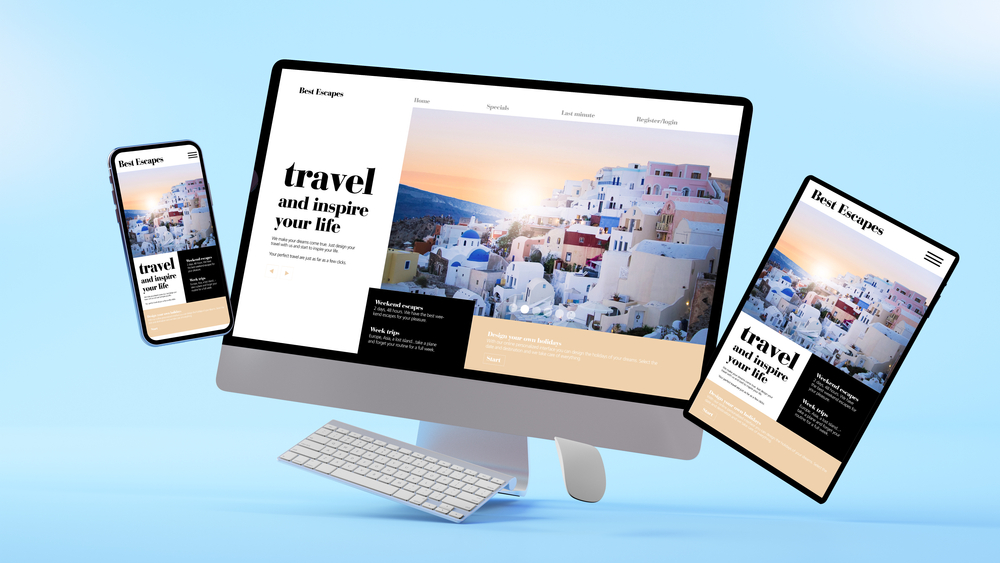
    Website Design Trends in 2026
    office responsive devices design website 3d rendering

    Immersive Visuals & 3D Content

    Visual storytelling is evolving. Designers now answer what are website design trends in 2026 with 3D elements, VR/AR previews, interactive canvases, and immersive page layouts. These aren’t just aesthetics — they enhance user decisions and time-on-site.

    Examples include:

    • 3D product models

    • Parallax scrolling

    • Immersive backgrounds

    • Interactive navigation

    Accessibility and Ethical Design

    Another core answer to what are website design trends in 2026 is accessibility. Websites must be inclusive by default. Colors, fonts, voice interfaces, and page structures now follow global accessibility standards.

    Accessibility ensures equitable user experiences — and helps your SEO too. Indian digital policies like guidelines from accessibility initiatives ensure inclusive design practices are implemented across web platforms including government portals.

    Minimalism with Purpose

    Minimalism continues to evolve. Instead of just “simple,” 2026 design trends prioritize purposeful minimalism — removing distraction and emphasizing key user actions with clean, intentional layouts.

    Minimalism in 2026 emphasizes:

    • Clear CTAs

    • Lean content structures

    • Whitespace for readability

    • Reduced cognitive load

    Secure & Trust-Driven Interfaces

    Security is now a design feature. Users notice trust badges, clear privacy notices, secure checkouts, and transparent data practices as part of the visual experience.

    So, when asking what are website design trends in 2026, remember that trust and security now influence visual elements and content layout.

    Voice & Conversational UI

    Voice search and conversational interfaces are shaping how users interact with websites. Voice menus, chatbots, and natural language navigation integrate into page design, especially for e-commerce and support sites.

    Future-Proofing Your Digital Presence

    To stay competitive, brands must embrace these trends. Understanding what are website design trends in 2026 helps businesses optimize user experiences, improve engagement, and future-proof digital presence.

    If you’re planning a site upgrade or new launch, expert guidance makes a difference.
    Boost your web design strategy — talk to our experts

    Final Summary

    Here’s a quick snapshot of what are website design:
    ✔ AI-driven personalization
    ✔ Mobile-first layouts
    ✔ Ultra-fast experiences
    ✔ Immersive visuals
    ✔ Accessibility and ethical design
    ✔ Minimalist user journeys
    ✔ Secure, trust-focused interfaces
    ✔ Voice and conversational UI

    Staying ahead of these design trends ensures your website is not just visually appealing—but intelligent, inclusive, and conversion-ready for 2026 and beyond.

  • What Is Website Design in 2026? Trends, AI & UX Explained

    What Is Website Design in 2026? Trends, AI & UX Explained

    What is Website Design in 2026

    Website design has evolved far beyond visuals and layouts. What is website design in 2026 is no longer just about colors, fonts, and pages—it is about intelligent experiences, automation, speed, and user-centric technology. Businesses today need websites that think, adapt, and perform in real time.

    In 2026, websites act as digital ecosystems that combine design, performance, accessibility, AI, and business goals into one seamless experience.

    How Website Design Has Evolved by 2026

    To understand what is website design in 2026, we must look at how user behavior and technology have shifted. Users expect instant loading, personalization, and smooth interaction across all devices. Static websites are outdated—dynamic, AI-driven platforms dominate the digital space.

    Modern website design now focuses on:

    • Predictive user behavior

    • Automated content personalization

    • Voice and gesture-based interactions

    • Ultra-fast performance

    Design is no longer separate from functionality—it is functionality.

    Key Elements of Website Design in 2026

    1. AI-Driven User Experience

    Artificial intelligence plays a central role in shaping user journeys. AI analyzes visitor behavior and adapts layouts, CTAs, and content in real time. This is a defining factor of what is website design in 2026.

    2. Mobile-First and Beyond

    Designers now prioritize mobile, wearable, and foldable-screen compatibility. Websites must respond flawlessly to all screen types, not just desktops.

    3. Speed and Performance Optimization

    Website speed directly impacts SEO and conversions. Lightweight code, edge computing, and smart caching are essential design components.

    UX and Accessibility as Core Design Principles

    Human-Centered Design

    Another major aspect of what is website design in 2026 is emotional UX. Websites are built around user intent, not business assumptions. Every scroll, click, and animation is purposeful.

    Accessibility by Default

    Web accessibility is no longer optional. Inclusive design ensures usability for people with disabilities, low bandwidth, or older devices. Indian digital standards increasingly align with global accessibility norms, supported by initiatives from organizations.

    SEO and Content Integration in 2026

    Design and SEO now work together. Websites are structured for:

    • AI search engines

    • Voice queries

    • Zero-click search results

    • Visual search indexing

    This tight integration defines what is website design in 2026, where content placement, schema, and UX influence rankings more than ever before.

    Security and Trust-Based Design

    Modern users care about privacy. Secure hosting, SSL, data transparency, and ethical design build trust. In 2026, a website’s design reflects brand credibility as much as its content.

    Why Businesses Must Adapt in 2026

    If you’re wondering what is website design in 2026 from a business perspective, the answer is simple: it’s a growth tool. Websites now generate leads, automate support, personalize sales funnels, and integrate with CRMs and AI chat systems.

    Companies that fail to update their web presence risk losing visibility, trust, and conversions.

    Get Future-Ready with Expert Website Design

    To stay competitive, businesses must invest in modern, scalable, and intelligent website solutions. If you’re planning to redesign or launch a future-ready website, professional guidance makes all the difference.

    Website Design in 2026
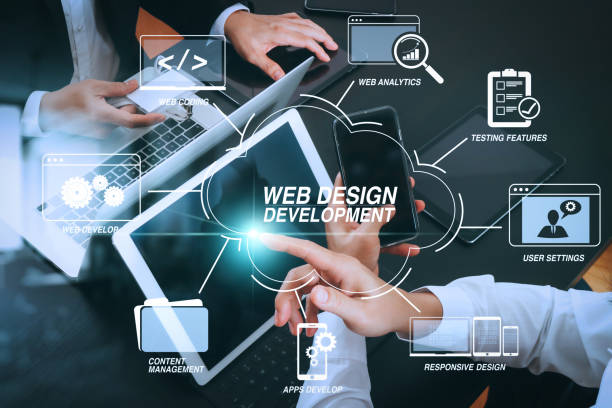
    Web design desktop with laptop and tools

    Contact our web experts here

    Final Thoughts

    So, what is website design in 2026?
    It is intelligent, fast, accessible, AI-powered, SEO-focused, and deeply human-centered. Websites are no longer digital brochures—they are living platforms that evolve with users and technology.