Blog

  • WordPress Website vs. Coding Website: Which Is Right for You?

    WordPress Website vs. Coding Website: Which Is Right for You?

    WordPress Website vs. Coding Website: Which Is Right for You?

    Introduction to WordPress Websites and Coding Websites

    WordPress Website vs. Coding Website: In the world of web development, one of the most common decisions businesses face is whether to choose a WordPress website or invest in a custom-coded website. Each option has its own set of advantages and disadvantages, making it essential to understand which is best suited for your specific needs. In this article, we’ll explore the key differences between WordPress websites and coding websites, helping you make an informed decision.

    What Is a WordPress Website?

    Ease of Use

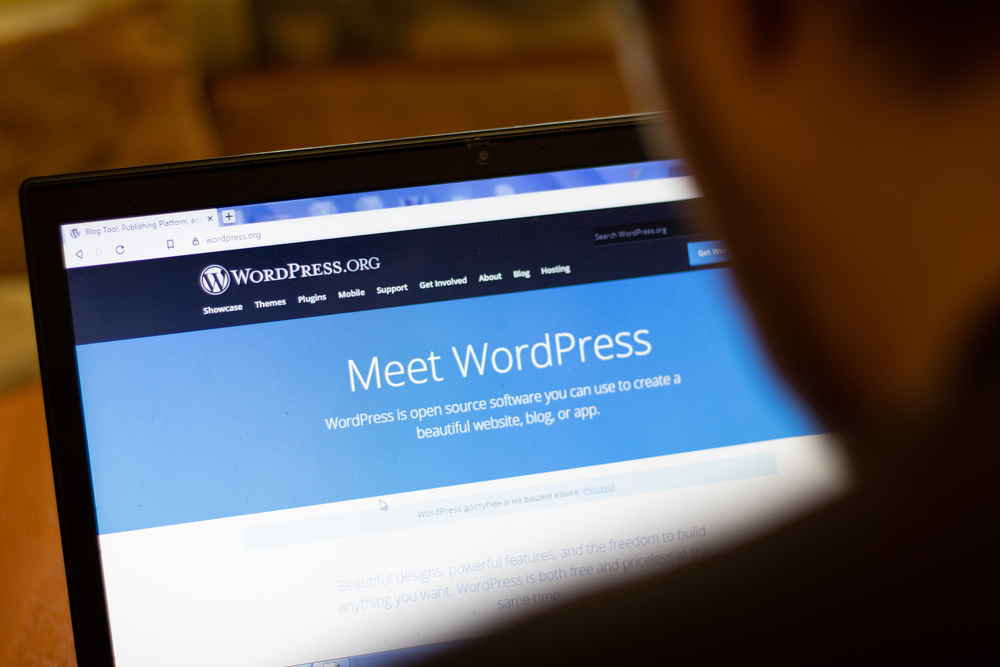
    WordPress is one of the most popular content management systems (CMS) globally, powering over 40% of all websites. The primary appeal of a WordPress website is its ease of use. Even users with little to no coding knowledge can create and manage a website using WordPress. It offers a wide range of themes and plugins, allowing you to customize your site with just a few clicks.

    Cost-Effectiveness

    A WordPress website is generally more cost-effective than a custom-coded website. The platform itself is free, though you may need to pay for premium themes, plugins, and hosting services. This makes WordPress an attractive option for small businesses or startups with limited budgets.

    Community Support and Resources

    WordPress has a large, active community, offering extensive support and resources. Whether you need help troubleshooting an issue or want to learn how to optimize your site, there’s no shortage of tutorials, forums, and plugins available.

    What Is a Coding Website?

    Full Customization

    A custom-coded website is built from the ground up using programming languages like HTML, CSS, JavaScript, and PHP. This allows for complete customization, giving you the freedom to create a website tailored to your exact specifications. Unlike a WordPress website, which is somewhat constrained by its themes and plugins, a coding website can be designed and developed to meet unique business needs.

    Scalability and Performance

    Custom-coded websites often offer better performance and scalability. Since they are built specifically for your requirements, they can handle higher levels of traffic and more complex functionalities without the bloat that sometimes comes with WordPress themes and plugins. This makes custom coding a better option for large businesses or e-commerce sites that require robust, high-performance websites.

    Security

    Security is another area where custom-coded websites can have an edge. While WordPress is generally secure, it’s also a frequent target for hackers due to its popularity. Custom-coded websites, on the other hand, can be built with specific security measures tailored to your site, reducing the risk of vulnerabilities.

    WordPress Website vs. Coding Website: Which Should You Choose?

    When to Choose a WordPress Website

    • Budget Constraints: If you’re on a tight budget, a WordPress website is a cost-effective solution that still offers a high level of functionality.
    • Quick Setup: If you need to get your website up and running quickly, WordPress is the way to go. Its user-friendly interface and pre-built themes allow for fast deployment.
    • Non-Technical Users: If you don’t have a technical background, WordPress is easier to manage and update without needing to hire a developer for every change.

    When to Choose a Coding Website

    • Complete Customization: If your website requires specific functionalities that can’t be easily achieved with WordPress, a custom-coded website is the better option.
    • Scalability Needs: If you expect your website to grow significantly in terms of traffic or complexity, custom coding provides the scalability and performance needed.
    • Enhanced Security: For businesses that handle sensitive data or require advanced security measures, a custom-coded website can be tailored with stronger security protocols.

    Conclusion

    Choosing between a WordPress website and a custom-coded website depends largely on your business needs, budget, and technical requirements. WordPress is ideal for those who need a cost-effective, user-friendly solution, while custom-coded websites offer the flexibility, scalability, and security needed for more complex projects. If you’re unsure which option is right for you, consider consulting with a professional web development service to help you make the best decision for your business.

    For more information on choosing the right website platform, you can visit WPBeginner for WordPress insights or explore Mozilla Developer Network for coding resources. If you need expert advice on which option suits your needs, contact our web development team.

    Read more related articles to enhance your knowledge and make informed decisions about cosmetic procedures.

    Why Custom Website Development is Essential for Your Brand

    Why Your Business Needs Professional Web Development Services

  • Web Development Services in Delhi: Elevate Your Online Presence

    Web Development Services in Delhi: Elevate Your Online Presence

    Web Development Services: Elevate Your Online Presence

    Understanding Web Development Services

    In today’s digital landscape, having a strong online presence is essential for businesses of all sizes. Web Development Services in Delhi play a crucial role in creating and maintaining a website that not only looks great but also functions smoothly. These services encompass everything from building a website from scratch to maintaining and optimizing it for performance, ensuring that your online platform meets the needs of your business and your customers.

    Key Components of Web Development Services

    Front-End Development

    Front-end development is the part of web development that deals with the visual aspect of a website—the part that users interact with. This includes designing the layout, choosing the color scheme, and ensuring the website is responsive across all devices. Professional Web Development Services in Delhi ensure that your website’s front-end is not only visually appealing but also user-friendly and accessible.

    Back-End Development

    While the front-end is what users see, the back-end is what makes the website work. Back-end development involves managing the server, database, and application logic that power your website. A well-developed back-end is essential for the seamless operation of your site, handling everything from user authentication to data management. Reliable Web Development Services in Delhi  will ensure that your website’s back-end is robust, secure, and scalable.

    Full-Stack Development

    Full-stack development encompasses both front-end and back-end development. Full-stack developers have the expertise to handle every aspect of web development, providing a comprehensive solution that ensures your website is fully functional, from the user interface to the server-side logic. For businesses looking for a holistic approach, full-stack web development services are the ideal choice.

    Web Development Services in Delhi

    The Benefits of Professional Web Development Services

    Custom Solutions

    One of the key advantages of professional web development services is the ability to create custom solutions tailored to your business needs. Whether you require a simple informational site or a complex e-commerce platform, a professional web developer can build a site that aligns with your goals and delivers a seamless user experience.

    SEO Optimization

    A well-developed website is not just about aesthetics and functionality; it also needs to be optimized for search engines. Professional web development services ensure that your website is built with SEO best practices in mind, helping you achieve higher rankings on search engine results pages (SERPs). This includes optimizing site speed, mobile responsiveness, and using clean code that search engines can easily crawl.

    Ongoing Support and Maintenance

    Web development doesn’t end once your website is live. Ongoing support and maintenance are crucial to keeping your site running smoothly and securely. Professional web development offer regular updates, bug fixes, and security patches to ensure your website remains up-to-date and protected against potential threats.

    Choosing the Right Web Development Services

    When choosing a web development service, it’s important to consider factors such as expertise, experience, and portfolio. Look for a service provider that has a proven track record in delivering high-quality websites and offers the specific services that match your needs. Additionally, consider their ability to provide ongoing support and maintenance to ensure your website remains in top condition.

    If you’re looking to enhance your online presence with a professionally developed website, contact our web development team today to learn how we can help you achieve your goals.

    Conclusion

    Investing in professional web development is essential for any business that wants to thrive in the digital world. From custom solutions to ongoing maintenance, these services ensure that your website is not only visually appealing but also functional, secure, and optimized for search engines. By partnering with a trusted web development provider, you can build a strong online presence that drives traffic, engages users, and converts visitors into customers.

    For more insights into web development and how it can benefit your business, check out resources like W3Schools and MDN Web Docs.

    Read more related articles to enhance your knowledge and make informed decisions about cosmetic procedures.

    Why Custom Website Development is Essential for Your Brand

    Why Your Business Needs Professional Web Development Services

  • Interactive Website Design: Transforming User Engagement

    Interactive Website Design: Transforming User Engagement

    Interactive Website Design: Transforming User Engagement

    The Importance of Interactive Website Design

    In the digital age, where online presence is crucial for businesses, interactive website design stands out as a key element in engaging users and enhancing their overall experience. Unlike static websites, interactive designs encourage user participation, making the experience more dynamic and engaging. This not only keeps visitors on your site longer but also increases the chances of conversion, whether it’s making a purchase, signing up for a newsletter, or reaching out for more information.

    Key Elements of Interactive Website Design

    1. User-Centered Design (UCD)
      At the heart of interactive website design is User-Centered Design (UCD). This approach focuses on the needs, preferences, and behaviors of the users. By prioritizing user experience, businesses can create websites that are not only aesthetically pleasing but also functional and easy to navigate. Elements such as responsive layouts, intuitive navigation, and clear calls to action are critical components of UCD that contribute to a seamless user experience.
    2. Interactive Features
      Incorporating interactive features such as chatbots, quizzes, sliders, and interactive forms can significantly enhance user engagement. These features provide users with instant feedback and personalized interactions, making the website experience more tailored and relevant to their needs. For instance, an e-commerce site with an interactive product recommendation tool can guide users to products they are more likely to purchase, thus increasing sales.
    3. Multimedia Integration
      Another crucial aspect of interactive website design is the integration of multimedia elements such as videos, animations, and interactive infographics. These elements not only make the website more visually appealing but also help in conveying complex information in an easily digestible format. Interactive infographics, for example, can break down data into engaging visual narratives, making it easier for users to understand and retain information.

    Interactive Website Design

    Benefits of Interactive Website Design

    1. Enhanced User Engagement
      Interactive website design significantly boosts user engagement by creating a more immersive and personalized experience. When users are engaged, they are more likely to explore the site further, interact with content, and ultimately take the desired action, whether it’s filling out a contact form or making a purchase.
    2. Improved Conversion Rates
      An interactive website can lead to higher conversion rates by guiding users through a well-designed journey. Interactive elements such as clear calls to action, personalized recommendations, and interactive forms make it easier for users to find what they need and take the next step.
    3. SEO Benefits
      Search engines favor websites that provide a good user experience, and interactive designs can help in this regard. Features like fast load times, mobile responsiveness, and engaging content can improve your site’s SEO, making it easier for potential customers to find you online. Additionally, incorporating interactive elements can reduce bounce rates, as users are more likely to stay on your site longer.

    Implementing Interactive Design: Best Practices

    When implementing an interactive website design, it’s important to keep a few best practices in mind:

    • Focus on Speed: Ensure that interactive elements do not slow down your site. A fast-loading website is crucial for both user experience and SEO.
    • Mobile Responsiveness: Make sure your interactive elements work seamlessly across all devices. With the majority of users accessing websites via mobile, this is essential.
    • Simplicity is Key: While interactive features are beneficial, they should not overwhelm the user. Keep the design clean and simple, ensuring that interactions are intuitive.

    For businesses looking to enhance their online presence, investing in interactive website design is a strategic move. It not only improves user experience but also drives engagement, conversions, and SEO performance.

    Conclusion

    In today’s competitive digital landscape, interactive website design is no longer a luxury but a necessity. By focusing on user-centered design, integrating multimedia, and following best practices, businesses can create websites that not only attract visitors but also convert them into loyal customers. If you’re ready to take your website to the next level, consider reaching out to a professional web design service that specializes in interactive design.

    For further reading on interactive design, you might want to check out resources like Smashing Magazine and Awwwards.

    Read more related articles to enhance your knowledge and make informed decisions about cosmetic procedures.

    Why Custom Website Development is Essential for Your Brand

    Why Your Business Needs Professional Web Development Services

  • Web Development Consultancy: Unlocking Your Digital Potential

    Web Development Consultancy: Unlocking Your Digital Potential

    Web Development Consultancy: Unlocking Your Digital Potential

    In today’s digital age, having a strong online presence is essential for businesses of all sizes. However, navigating the complexities of web development can be overwhelming, especially for those without technical expertise. This is where web development consultancy comes into play, providing businesses with the guidance and expertise needed to build and maintain an effective online platform.

    What is Web Development Consultancy?

    A web development consultancy is a service that offers expert advice and support in planning, developing, and maintaining websites. Consultants work closely with businesses to understand their goals, identify their needs, and provide tailored solutions that align with their objectives. Whether you’re launching a new website or looking to revamp an existing one, a web development consultant can help you make informed decisions that drive success.

    Why Your Business Needs Web Development Consultancy

    1. Expertise and Experience
    One of the primary benefits of hiring a web development consultancy is access to a team of experts with extensive experience in the field. These professionals stay updated on the latest trends, technologies, and best practices in web development. Their expertise ensures that your website is built using the most effective strategies, from design and user experience to performance optimization and security.

    2. Tailored Solutions
    Every business is unique, and a one-size-fits-all approach rarely works in web development. A web development consultancy provides customized solutions that meet your specific needs. Whether you require an e-commerce platform, a content management system, or a dynamic website, a consultant will work with you to create a solution that aligns with your business goals.

    3. Cost-Effective and Time-Saving
    Developing a website in-house can be time-consuming and costly, especially if your team lacks the necessary skills. A web development consultancy can save you time and money by streamlining the development process and avoiding costly mistakes. Consultants can also help you make the most of your budget by recommending cost-effective solutions that deliver results.

    4. Long-Term Support
    Web development doesn’t end once your site is live. Regular maintenance, updates, and improvements are essential to keep your website running smoothly and effectively. A web development consultancy provides ongoing support to ensure your website continues to perform at its best. This includes monitoring, troubleshooting, and implementing updates as needed.

    Key Services Offered by Web developer Consultancies

    1. Website Audits and Analysis
    A web development consultancy often begins with a comprehensive audit of your existing website. This includes analyzing the site’s performance, user experience, and technical aspects. The consultant will identify areas for improvement and provide recommendations for enhancing the website’s effectiveness.

    2. Strategy and Planning
    Developing a successful website requires careful planning and a clear strategy. A web development consultant will help you define your goals, target audience, and key performance indicators (KPIs). They will also assist in selecting the right technologies and platforms to support your objectives.

    3. Design and Development
    Consultants work with designers and developers to create a website that meets your specifications. This includes everything from wireframing and prototyping to coding and testing. The result is a website that is not only visually appealing but also functional and user-friendly.

    4. SEO and Digital Marketing Integration
    To ensure your website attracts the right audience, web development consultancies often offer SEO and digital marketing services. This includes optimizing your website for search engines, integrating social media, and implementing analytics tools to track performance.

    Is Web Development Consultancy Right for Your Business?

    If you’re looking to create or improve your online presence, investing in a web development consultancy can be a game-changer. With expert guidance, tailored solutions, and long-term support, you can build a website that drives traffic, engages users, and achieves your business goals.

    For businesses in need of professional web developer services, contact us today to learn more about how our consultancy can help you unlock your digital potential.

    External Links:

    Read more related articles to enhance your knowledge and make informed decisions about cosmetic procedures.

    Why Custom Website Development is Essential for Your Brand

    Why Your Business Needs Professional Web Development Services

  • What are Database Driven Websites, and How are They Built?

    What are Database Driven Websites, and How are They Built?

    What are Database Driven Websites, and how are they built?

    In the world of web development, database-driven websites play a crucial role in delivering dynamic and personalized content to users. These websites rely on databases to store, retrieve, and manage the data that powers various aspects of the site, from user accounts and product listings to blog posts and interactive features.

    What is a Database-Driven Website?

    A database-driven website is a type of dynamic website that uses a database to store and manage content. Instead of hardcoding content directly into the website’s files, the content is stored in a database and is dynamically retrieved and displayed based on user interactions or queries. This allows for greater flexibility, scalability, and personalization compared to static websites.

    How Database-Driven Websites Work

    Here’s a simplified breakdown of how database-driven websites function:

    1. Database Integration:
    The website is connected to a database where all the content and data (such as text, images, user information, and product details) are stored. Commonly used databases include MySQL, PostgreSQL, and Microsoft SQL Server.

    2. Server-Side Scripting:
    When a user requests a page, server-side scripts (written in languages like PHP, ASP.NET, or Python) are executed. These scripts query the database to retrieve the relevant content and data.

    3. Content Assembly:
    The retrieved data is then combined with HTML, CSS, and JavaScript to generate the final webpage. This page is then sent to the user’s browser, where it is rendered for viewing.

    4. Dynamic Content Display:
    Depending on the user’s interactions (e.g., searching for a product, logging into an account, or filtering blog posts), the website dynamically adjusts the content displayed, making it personalized and relevant to the user.

    database-driven website

    Advantages of Database-Driven Websites

    Scalability:
    Database-driven websites can handle large volumes of content and data with ease. As your website grows, you can add new data to the database without restructuring the entire site.

    Personalization:
    These websites can deliver personalized experiences by dynamically displaying content based on user behavior, preferences, or past interactions. This is particularly important for e-commerce sites, social media platforms, and personalized dashboards.

    Ease of Content Management:
    With a Content Management System (CMS) like WordPress, Joomla, or Drupal, managing content on a database-driven website is straightforward. Site administrators can easily add, update, or delete content without needing to edit the underlying code.

    Efficiency:
    By separating content from design and structure, database-driven websites allow for more efficient updates. For instance, changing the design of the website doesn’t require altering the content stored in the database.

    Examples of Database-Driven Websites

    E-commerce Platforms:
    Sites like Amazon and Shopify use databases to manage product listings, customer information, and transaction details. The content displayed to each user is tailored based on their browsing history, location, and preferences.

    Content-Rich Websites:
    News websites, blogs, and online magazines often rely on databases to manage articles, comments, and user-generated content. Websites like The New York Times and Medium dynamically serve content based on user preferences and interactions.

    Social Media Platforms:
    Facebook, Instagram, and Twitter are prime examples of database-driven websites, where user data, posts, messages, and interactions are stored in databases and dynamically displayed based on user actions.

    Challenges of Database-Driven Websites

    Complexity:
    Developing and maintaining a database-driven website requires expertise in both web development and database management. This complexity can lead to higher development costs and longer implementation times.

    Security:
    Storing sensitive information in databases requires robust security measures to prevent data breaches and unauthorized access. Regular updates, encryption, and security protocols are essential to safeguard the website.

    Performance:
    Database-driven websites can be slower to load compared to static websites, especially if the database is not optimized. However, with proper indexing, caching, and optimization techniques, performance issues can be minimized.

    Is a Database-Driven Website Right for Your Business?

    If your business requires a website that can handle large amounts of data, deliver personalized content, and scale as you grow, a database-driven website is the right choice. These websites are ideal for e-commerce platforms, content-rich websites, and any online platform that requires dynamic content delivery.

    For more information on how a database-driven website can benefit your business, contact us today to explore your options.

    External Links:

    Read more related articles to enhance your knowledge and make informed decisions about cosmetic procedures.

    Why Custom Website Development is Essential for Your Brand

    Why Your Business Needs Professional Web Development Services

  • What is a Dynamic Website?

    What is a Dynamic Website?

    What is a Dynamic Website?

    In today’s digital landscape, websites are no longer just static pages of information. With the need for more interactivity, personalization, and real-time content, dynamic websites have become a vital part of the online experience.

    Understanding Dynamic Websites

    What is a Dynamic Website?

    In today’s digital landscape, websites are no longer just static pages of information. With the need for more interactivity, personalization, and real-time content, dynamic websites have become a vital part of the online experience.

    A dynamic website is one that generates content dynamically, meaning it can change or update the content displayed to users based on their interactions, preferences, or other variables. Unlike static websites, where content remains the same for all visitors, dynamic websites offer a more personalized and engaging experience.

    How Dynamic Websites Work

    Dynamic websites typically rely on a combination of client-side and server-side scripting to generate content. Here’s how they work:

    1. Server-Side Scripting:
    When a user requests a page on a dynamic website, the server processes this request by running scripts, usually written in languages like PHP, ASP.NET, or Node.js. These scripts interact with a database to retrieve the necessary content, which is then assembled and sent to the user’s browser.

    2. Database Integration:
    Dynamic websites often connect to a database where the content, such as text, images, and user data, is stored. This allows the website to display different content to different users, depending on factors like login status, preferences, or past interactions.

    3. Client-Side Scripting:
    In addition to server-side scripting, dynamic websites can also use client-side scripts (such as JavaScript) to make changes to the content after it has been delivered to the browser. This can include interactive features like drop-down menus, form validation, or real-time content updates.

    Advantages of Dynamic Websites

    1. Personalization:
    Dynamic websites excel in providing a personalized user experience. Content can be tailored to individual users based on their behavior, preferences, and previous interactions with the site.

    2. Interactivity:
    Dynamic websites are more interactive than static ones. They allow users to engage with the content through forms, comments, user accounts, and other features that make the browsing experience more engaging.

    3. Easy Content Management:
    With a Content Management System (CMS) like WordPress or Joomla, dynamic websites are easier to manage. Site administrators can update content, add new pages, and make changes without needing to know how to code.

    4. SEO Benefits:
    Dynamic websites can be optimized for search engines more effectively. Since content can be generated dynamically, it can be tailored to match specific search queries, improving the site’s visibility in search engine results.

    what is a dynamic website

    Examples of Dynamic Websites

    Dynamic websites are common across various industries. Here are a few examples:

    • E-commerce Sites: Websites like Amazon and eBay, where products, prices, and user recommendations are constantly updated based on user behavior.
    • Social Media Platforms: Websites like Facebook and Twitter, where content is personalized and continually refreshed based on user interactions.
    • News Websites: Sites like BBC or CNN, where news articles and updates are delivered in real-time, tailored to user interests or locations.

    Challenges of Dynamic Websites

    While dynamic websites offer many advantages, they also come with certain challenges:

    1. Complexity:
    Building and maintaining a dynamic website is more complex than a static one. It requires knowledge of server-side scripting, database management, and web development best practices.

    2. Cost:
    Dynamic websites can be more expensive to develop and maintain due to their complexity and the need for continuous updates and security measures.

    3. Performance:
    Dynamic websites can be slower to load compared to static websites because the content needs to be generated on the fly. However, this can be mitigated with proper optimization techniques.

    Is a Dynamic Website Right for You?

    If your business requires a website that can offer personalized content, user interactivity, and regular updates, then a dynamic website is likely the best choice. For more information on how dynamic websites can benefit your business, consider contacting a professional web development service. Get in touch with us today to learn more about creating a dynamic website tailored to your needs.

    External Links:

    Read more related articles to enhance your knowledge and make informed decisions about cosmetic procedures.

    Why Custom Website Development is Essential for Your Brand

    Why Your Business Needs Professional Web Development Services

  • Cost of E-commerce Website Development in 2024

    Cost of E-commerce Website Development in 2024

    Understanding the Cost of E-commerce Website Development in 2024

    Introduction: The Growing Importance of E-commerce

    In today’s digital landscape, having an e-commerce website is crucial for businesses of all sizes. Whether you’re a small business looking to expand your reach or a large enterprise aiming to enhance your online presence, an e-commerce platform can significantly boost your sales and customer engagement. But how much does it cost to develop an e-commerce website in 2024? This blog will explore the various factors influencing e-commerce website costs and provide a clear understanding of what to expect.

    Factors Influencing E-commerce Website Costs

    1. Type of E-commerce Platform

    One of the most significant factors affecting the cost of your e-commerce website is the platform you choose. There are two primary options:

    • Custom-built platforms: These are tailored to your specific needs and offer the most flexibility but can be expensive.
    • Pre-built platforms: Solutions like Shopify, WooCommerce, and Magento are more affordable and quicker to deploy but may have limitations in customization.

    2. Design and User Experience (UX)

    Custom Design vs. Template-Based Design

    The design of your e-commerce website is crucial to attracting and retaining customers. A custom design that aligns with your brand’s identity will cost more than a template-based design. However, a custom design can offer a unique user experience, making it easier to stand out in a crowded market.

    3. Number of Products and Categories

    The number of products and categories you plan to offer will also influence the cost. A website with a vast catalog requires more work in terms of product uploads, categorization, and database management, leading to higher costs.

    4. Functionality and Features

    Essential Features

    At a minimum, your e-commerce website will need features like a shopping cart, payment gateway integration, and inventory management. The cost will increase as you add more advanced features such as:

    • Product filtering and search functionality
    • Customer reviews and ratings
    • Wishlists and product recommendations
    • Multiple payment options
    • Advanced analytics and reporting

    Custom Functionality

    If your business requires unique functionalities, such as a custom product configurator, multi-vendor capabilities, or integration with specific third-party systems, these will add to the development cost.

    5. Mobile Responsiveness

    In 2024, a mobile-responsive design is essential for any e-commerce website. Ensuring that your site performs well on all devices, from desktops to smartphones, will require additional development time and resources, affecting the overall cost.

    Cost of E-commerce Website Development

    6. SEO and Marketing Tools

    Search engine optimization (SEO) is critical for driving organic traffic to your e-commerce site. Implementing SEO best practices during the development phase, such as optimizing product pages, meta tags, and URLs, will incur additional costs but is vital for long-term success.

    7. Security and Compliance

    E-commerce websites handle sensitive customer information, including payment details, making security a top priority. The cost of implementing SSL certificates, PCI-DSS compliance, and other security measures should be factored into your budget.

    Average Cost Breakdown of E-commerce Websites

    Basic E-commerce Website

    A basic e-commerce website with essential features, a simple design, and up to 50 products can cost between ₹50,000 to ₹1,50,000. This includes using a pre-built platform like Shopify or WooCommerce and implementing basic SEO and security features.

    Mid-Range E-commerce Website

    A mid-range e-commerce website with custom design, advanced features, and up to 200 products typically costs between ₹1,50,000 to ₹5,00,000. This price range also includes mobile responsiveness, more robust SEO strategies, and additional integrations like CRM or ERP systems.

    High-End E-commerce Website

    A high-end e-commerce website with a fully custom-built platform, extensive product catalog, advanced functionalities, and bespoke design can range from ₹5,00,000 to ₹20,00,000 or more. This level of investment is ideal for large enterprises with complex needs and a significant online presence.

    Additional Costs to Consider

    1. Ongoing Maintenance and Support

    E-commerce websites require ongoing maintenance to ensure smooth operation, regular updates, and security patches. The cost of maintenance can range from ₹10,000 to ₹50,000 per month, depending on the complexity of your site.

    2. Digital Marketing and SEO Services

    To maximize the return on your e-commerce investment, consider ongoing digital marketing and SEO services. These services can include content marketing, PPC advertising, social media management, and more, with costs varying widely based on your goals and strategy.

    3. Hosting and Domain

    The cost of hosting your e-commerce website can vary depending on the traffic volume and required server resources. Expect to pay between ₹5,000 to ₹20,000 annually for reliable hosting and domain services.

    Why Choose a Professional E-commerce Development Company?

    Benefits of Expertise and Experience

    Hiring a professional e-commerce development company ensures that your website is built to the highest standards. These experts can provide valuable insights into the latest trends, best practices, and technologies, ensuring your site is competitive in the marketplace.

    Support and Scalability

    A professional team can also offer ongoing support and scalability, helping your e-commerce website grow as your business expands. This long-term partnership can be crucial for staying ahead of the competition and adapting to changing market demands.

    Conclusion: Investing in E-commerce Website Development

    The cost of developing an e-commerce website in 2024 varies widely based on your specific needs, but it’s a critical investment for any business looking to succeed online. Whether you’re launching a new store or upgrading an existing site, understanding the factors that influence pricing will help you make informed decisions and ensure your e-commerce platform delivers the best possible return on investment.

    For a detailed quote on your e-commerce project or to learn more about our services, Contact Us today.

    External Links

    1. E-commerce Trends to Watch in 2024
    2. Choosing the Right E-commerce Platform
    3. For more details on e-commerce website development costs, Contact Us to get a personalized quote.

    Read more related articles to enhance your knowledge and make informed decisions about cosmetic procedures.

    Why Custom Website Development is Essential for Your Brand

    Why Your Business Needs Professional Web Development Services

  • Understanding the Cost of Static Websites in Delhi

    Understanding the Cost of Static Websites in Delhi

    Understanding the Cost of Static Websites in Delhi

    Introduction: Why Choose a Static Website?

    Cost of Static Websites in Delhi: In today’s digital age, having a website is crucial for businesses of all sizes. A static website is an excellent choice for small businesses, startups, and individuals who need an online presence without the complexities of a dynamic site. But what exactly does it cost to build a static website in Delhi? This blog will break down the factors that influence the cost and what you can expect to pay.

    What is a Static Website?

    Key Features of Static Websites

    A static website consists of fixed content, typically built with HTML, CSS, and JavaScript. Each page is pre-rendered and delivered to the user exactly as it’s stored on the server, without any server-side processing. Static websites are straightforward, secure, and fast-loading, making them a popular choice for businesses that don’t require frequent content updates.

    Factors Influencing the Cost of  Static Website in Delhi

    1. Number of Pages

    The number of pages on your website directly affects the cost. A basic static website with 5-10 pages will be more affordable compared to a more extensive site with 20-30 pages.

    2. Design Complexity

    The design complexity of your website is another significant factor. A simple, clean design with basic elements will cost less than a highly customized design with advanced features, animations, and graphics.

    3. Responsive Design

    In 2024, having a mobile-friendly website is non-negotiable. While most static websites are inherently faster and simpler to make responsive, the added effort to ensure they work flawlessly on all devices can influence the overall cost.

    4. Content Creation

    Content creation, including text, images, and videos, can also add to the cost. If you have your content ready, it can reduce the expenses. However, if you require professional copywriting, photography, or videography services, the cost will increase.

    5. SEO Optimization

    Even though static websites are simpler, SEO optimization is crucial to ensure your site ranks well on search engines. The cost of SEO services, including keyword research, on-page optimization, and meta tags, should be factored into the overall budget.

    6. Hosting and Domain

    The cost of hosting and domain registration in Delhi is relatively low. However, premium hosting services that offer better security, speed, and customer support can add to the overall cost.

    Static Website

    Average Cost of  7Static Website in Delhi

    Basic Static Website

    For a basic static website with 5-10 pages, simple design, and minimal SEO, the cost in Delhi can range from ₹10,000 to ₹20,000. This includes basic hosting and domain registration for one year.

    Mid-Range Static Website

    A mid-range static website with 10-20 pages, custom design, responsive layout, and basic SEO can cost between ₹20,000 to ₹50,000. This price range may also include professional content creation and premium hosting.

    High-End Static Website

    A high-end static website with 20-30 pages, advanced design features, custom graphics, comprehensive SEO, and premium hosting can cost ₹50,000 and above. This option is ideal for businesses that want a unique, professionally designed website that stands out.

    Additional Costs to Consider

    1. Maintenance and Updates

    While static websites are easier to maintain, any updates or changes to the content will require manual edits by a developer, which can incur additional costs.

    2. SSL Certificate

    An SSL certificate is essential for website security, especially if you’re handling user data. The cost of an SSL certificate can range from ₹1,000 to ₹5,000 per year, depending on the level of security required.

    3. Custom Email Accounts

    If you want custom email addresses associated with your domain (e.g., [email protected]), there may be additional charges for setting these up.

    Why Choose a Delhi-Based Web Development Company?

    Benefits of Local Expertise

    Choosing a Delhi-based web development company offers several advantages, including local market knowledge, easy communication, and the ability to meet in person if needed. Local developers are also more familiar with the specific needs and challenges of businesses operating in Delhi.

    Support and Maintenance

    Having a local development team means quicker support and maintenance services. If any issues arise, a Delhi-based company can address them promptly, ensuring your website runs smoothly.

    Conclusion: Is a Static Website Right for You?

    The cost of a static website in Delhi can vary widely based on your specific needs, but it generally offers a cost-effective solution for businesses that don’t require dynamic content or frequent updates. If you’re looking for a simple, fast, and secure online presence, a static website might be the perfect fit for your business.

    For more information or to get a quote on your static website project, Contact Us today.

    External Links

    1. Understanding Static vs. Dynamic Websites
    2. Why Choose a Static Website?
    3. For more details on website development costs, Contact Us to get a personalized quote.

    Read more related articles to enhance your knowledge and make informed decisions about cosmetic procedures.

    Why Custom Website Development is Essential for Your Brand

    Why Your Business Needs Professional Web Development Services

  • Static vs. Dynamic Websites: Which is Right for Your Business?

    Static vs. Dynamic Websites: Which is Right for Your Business?

    Static vs. Dynamic Websites: Which is Right for Your Business?

    Introduction: Understanding the Difference

    Static vs. Dynamic Websites: In the world of web development, the terms static and dynamic describe two different types of websites, each with its own set of features, benefits, and challenges. Deciding between a static or dynamic website can significantly impact your business’s online presence, user engagement, and maintenance requirements. In this blog, we’ll explore the differences between static and dynamic websites, and help you determine which option is best suited for your business needs.

    What is a Static Website?

    Definition and Characteristics

    A static website is built using basic HTML, CSS, and JavaScript, and displays the same content to every visitor. These websites are typically straightforward, with each page coded individually and served to the user without any backend processing.

    Advantages of Static Websites

    • Simplicity: Static websites are relatively easy to create and maintain, making them ideal for small businesses or personal websites that don’t require frequent updates.
    • Speed: Since static websites don’t require server-side processing, they load quickly, which can improve user experience and SEO rankings.
    • Cost-Effective: Development and hosting costs for static websites are usually lower than dynamic websites, as they require fewer resources.

    Disadvantages of Static Websites

    • Limited Functionality: Static websites lack the interactive features that modern users expect, such as user logins, dynamic content updates, or e-commerce capabilities.
    • Manual Updates: Any change to the content or design requires manual coding, making it time-consuming to keep the site up to date.

    What is a Dynamic Website?

    Definition and Characteristics

    A dynamic website generates content in real-time based on user interactions or other inputs. These websites are powered by server-side technologies like PHP, ASP.NET, or Node.js, and often use databases to manage content.

    Advantages of Dynamic Websites

    • Interactive Features: Dynamic websites can offer personalized content, user accounts, real-time data updates, and other interactive features that engage users.
    • Easy Content Management: With a dynamic website, you can easily update content through a Content Management System (CMS) without needing to alter the code.
    • Scalability: Dynamic websites are more scalable, allowing for the addition of new features, pages, and functionalities as your business grows.

    Disadvantages of Dynamic Websites

    • Complexity: Developing a dynamic website is more complex and requires a higher level of technical expertise, which can lead to higher development costs.
    • Slower Load Times: Dynamic websites may have slower load times due to server-side processing, which can affect user experience if not optimized properly.
    • Higher Costs: The need for ongoing maintenance, updates, and more powerful hosting solutions can make dynamic websites more expensive in the long run.

    static vs dynamic website

    Key Differences Between Static vs. Dynamic Websites

    1. Content Updates

    • Static Websites: Content changes require manual coding and deployment.
    • Dynamic Websites: Content can be updated easily through a CMS or automatically based on user interactions.

    2. User Experience

    • Static Websites: Offer a uniform experience to all users, with no personalization or interactivity.
    • Dynamic Websites: Provide personalized, interactive experiences, making them suitable for businesses that want to engage their audience more deeply.

    3. Development Time and Cost

    • Static Websites: Quicker to develop and less expensive upfront.
    • Dynamic Websites: Take longer to develop and are more costly due to the need for advanced programming and integration of databases.

    4. Security

    • Static Websites: Generally more secure, as there are fewer points of entry for hackers.
    • Dynamic Websites: More vulnerable to security risks, especially if not properly maintained, due to the complexity of server-side processing and database connections.

    When to Choose a Static Website

    Ideal Scenarios for Static Websites

    • Small Businesses and Personal Projects: If you need a simple, brochure-like website with minimal updates, a static website is a cost-effective and efficient solution.
    • Temporary Campaigns: Static websites are perfect for landing pages or temporary promotional sites that don’t require user interaction.

    When to Choose a Dynamic Website

    Ideal Scenarios for Dynamic Websites

    • E-Commerce Platforms: If your business involves selling products or services online, a dynamic website with shopping cart functionality, payment gateways, and user accounts is essential.
    • Content-Heavy Websites: Blogs, news sites, and other content-driven platforms benefit from the ease of content management and updates that dynamic websites offer.
    • Interactive User Experiences: Businesses that want to offer personalized user experiences, such as membership sites or online portals, should opt for a dynamic website.

    Conclusion: Making the Right Choice for Your Business

    Static vs. Dynamic Websites

    The decision between a static and dynamic website depends largely on your business needs, budget, and long-term goals. A static website may be sufficient if you’re looking for a simple, fast, and cost-effective solution. However, if you need a more interactive and scalable platform that can grow with your business, a dynamic website is the way to go.

    Regardless of your choice, investing in professional web development services can ensure that your website is not only functional but also optimized for performance, security, and user engagement. If you’re still unsure which option is best for you, consulting with a web development expert can provide clarity and help you make an informed decision.

    External Links

    1. Understanding Website Types: Static vs. Dynamic
    2. Choosing the Right Website for Your Business
    3. For expert advice on choosing the right website for your business, Contact Us today.

    Read more related articles to enhance your knowledge and make informed decisions about cosmetic procedures.

    Why Custom Website Development is Essential for Your Brand

    Why Your Business Needs Professional Web Development Services

  • Dynamic Website Cost in Delhi 2024: A Comprehensive Guide

    Dynamic Website Cost in Delhi 2024: A Comprehensive Guide

    Dynamic Website Cost in Delhi 2024: A Comprehensive Guide

    Introduction: Why Opt for a Dynamic Website?

    In today’s digital age, having a static website may not be enough to meet the evolving needs of your business. Dynamic websites, which offer interactive features and real-time updates, have become increasingly popular among businesses in Delhi. However, with enhanced functionality comes a variation in cost. This guide will explore the factors that affect the cost of developing a dynamic website in Delhi in 2024, helping you make an informed decision.

    Factors Influencing Dynamic Website Costs in Delhi

    1. Type of Dynamic Website

    The cost of a dynamic website in Delhi can vary significantly depending on the type and complexity of the site. Here are some common types:

    • Basic Dynamic Websites: These include simple dynamic features like forms, image galleries, and blog sections. The cost for such websites in Delhi typically ranges from ₹40,000 to ₹1,00,000.
    • E-Commerce Dynamic Websites: For businesses looking to sell products online, e-commerce dynamic websites require advanced features like shopping carts, payment gateways, and user account systems. The cost can range from ₹1,00,000 to ₹4,00,000 depending on the complexity and the number of products.
    • Custom Web Applications: These websites are highly tailored to the specific needs of a business, often requiring bespoke features and functionalities. Costs for custom dynamic websites in Delhi can start from ₹2,00,000 and go up to ₹10,00,000 or more.

    2. Technology Stack

    Frontend and Backend Technologies

    The choice of technologies used in building your dynamic website can also affect the cost. Popular technologies like React.js, Angular for the frontend, and Node.js, Python, or PHP for the backend are commonly used. The more advanced the technology stack, the higher the development cost.

    CMS Integration

    If your dynamic website requires a Content Management System (CMS) for easy updates and management, integrating platforms like WordPress, Joomla, or a custom CMS can add to the cost. CMS integration in Delhi can cost between ₹50,000 to ₹2,00,000 depending on the level of customization.

    3. Design and User Experience (UX)

    Custom Design vs. Templates

    Custom-designed dynamic websites, which are tailored to your brand’s unique identity, can be more expensive than template-based designs. A custom dynamic website design in Delhi can cost between ₹50,000 to ₹1,50,000.

    Mobile Responsiveness

    Ensuring that your dynamic website is responsive across all devices is crucial in 2024. This feature, which allows the website to adapt seamlessly to different screen sizes, adds around 15-25% to the overall development cost.

    4. Functionality and Features

    Basic Features

    Even basic dynamic websites include features like user login, interactive forms, and content management. The inclusion of these features can increase the overall cost by ₹30,000 to ₹1,00,000.

    Advanced Features

    Advanced dynamic websites might require features like real-time data processing, API integrations, and user dashboards. These functionalities can add ₹1,00,000 to ₹5,00,000 to the cost, depending on the complexity.

    5. Developer Expertise and Location

    Hiring Freelancers vs. Development Companies

    In Delhi, the choice between hiring freelance developers and professional web development companies significantly impacts the cost. Freelancers might charge between ₹500 to ₹2,000 per hour, while a professional development company might charge ₹2,000 to ₹6,000 per hour based on their expertise and experience.

    Location Impact

    Developers in prime areas of Delhi may charge higher rates compared to those in other parts of the city. However, with this higher cost often comes a higher level of service and expertise.

    Dynamic Website Cost in Delhi

    Additional Costs to Consider

    1. Web Hosting and Domain Registration

    Web hosting and domain registration are essential ongoing costs. In Delhi, web hosting costs can range from ₹3,000 to ₹20,000 per year, depending on the hosting provider and the level of service you choose.

    2. Website Maintenance

    Regular maintenance is vital to keep your dynamic website functioning smoothly. Maintenance services in Delhi usually cost between ₹15,000 to ₹50,000 per year, depending on the complexity and size of the website.

    3. SEO and Digital Marketing Integration

    On-Page SEO

    Incorporating on-page SEO during the development process is crucial for your website’s visibility in search engines. Basic on-page SEO might be included in the development package, but additional, advanced SEO services can cost between ₹10,000 to ₹50,000.

    Integration with Digital Marketing Tools

    If you plan to run digital marketing campaigns, integrating tools like Google Analytics, social media platforms, and email marketing systems into your dynamic website is essential. This integration can add ₹20,000 to ₹1,00,000 to the development cost.

    Conclusion: Budgeting for a Dynamic Website in 2024

    Understanding the costs associated with developing a dynamic website in Delhi is crucial for businesses looking to enhance their online presence in 2024. Whether you need a basic dynamic site or a fully customized web application, the investment in a well-developed website can significantly impact your business’s success. By considering the factors outlined above, you can better plan your budget and ensure your dynamic website meets your business needs and goals.

    External Links

    1. Understanding Web Development Costs
    2. Why Dynamic Websites are the Future
    3. For expert dynamic website development services, Contact Us today.

    Read more related articles to enhance your knowledge and make informed decisions about cosmetic procedures.

    Why Custom Website Development is Essential for Your Brand

    Why Your Business Needs Professional Web Development Services