Blog

  • Why Regular Website Maintenance is Crucial for Success

    Why Regular Website Maintenance is Crucial for Success

    Why Regular Website Maintenance is Crucial for Success

    Introduction: The Role of Website Maintenance in Business Success

    In today’s digital age, your website is one of your most important business assets. It’s often the first point of contact for potential customers and plays a critical role in your brand’s online presence. However, simply having a website isn’t enough—regular maintenance is essential to ensure its continued success. In this article, we’ll explore why regular website maintenance is crucial and how it can impact your business’s overall performance.

    Ensuring Optimal Performance

    Enhancing User Experience

    User experience (UX) is a key factor in determining whether visitors stay on your website or leave. A well-maintained website ensures that all features are functioning properly, links are working, and navigation is smooth. Regular maintenance helps identify and fix any issues that could hinder user experience, such as broken links, slow-loading pages, or outdated content. By keeping your website in top shape, you provide visitors with a seamless and enjoyable experience, which can lead to higher engagement and conversion rates.

    Improving Website Speed

    Website speed is critical not only for user experience but also for search engine rankings. If your website takes too long to load, users are likely to abandon it in favor of faster alternatives. Regular maintenance includes optimizing images, updating plugins, and cleaning up your site’s code to ensure fast load times. A quick, responsive website enhances user satisfaction and boosts your chances of ranking higher in search engine results.

    Security and Protection

    Preventing Security Breaches

    Cybersecurity threats are constantly evolving, and websites are frequent targets for hackers. Regular website maintenance is essential for protecting your site from security breaches. This includes updating software, installing security patches, and regularly backing up your website data. By staying proactive with maintenance, you can minimize the risk of attacks and keep your website secure for both you and your users.

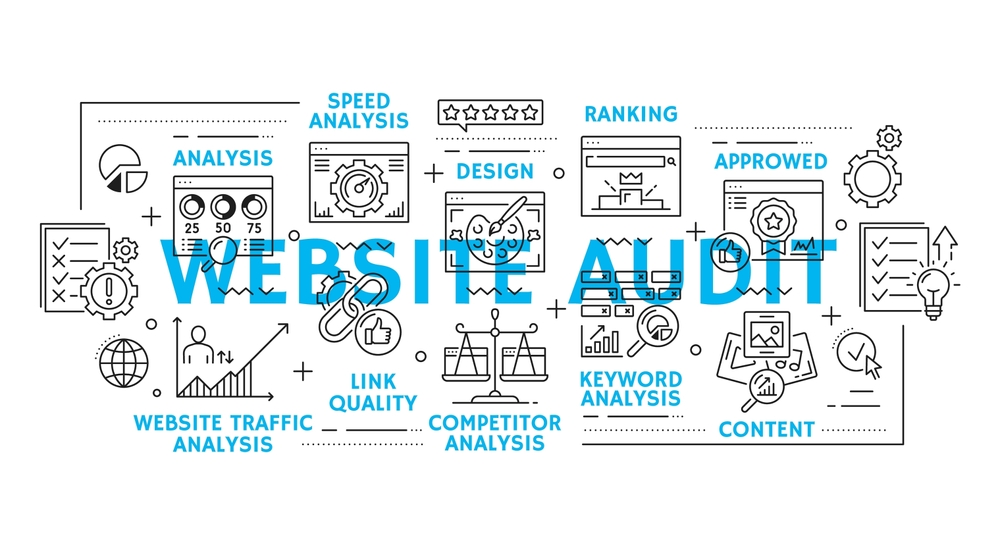
    Website Maintenance

    Protecting Sensitive Information

    If your website handles sensitive customer information, such as payment details or personal data, it’s vital to ensure that this information is protected. Regular maintenance helps identify potential vulnerabilities and ensures that your website complies with the latest security standards. Protecting your customers’ data not only builds trust but also helps you avoid costly legal issues related to data breaches.

    SEO and Search Engine Rankings

    Staying Updated with SEO Best Practices

    Search engine optimization (SEO) is an ongoing process that requires regular updates and adjustments. As search engines evolve, so do the best practices for optimizing your website. Regular maintenance allows you to stay on top of these changes, ensuring that your website remains optimized for search engines. This includes updating meta tags, optimizing content, and improving website structure. Consistent maintenance helps improve your site’s visibility in search engine results, driving more organic traffic to your website.

    Fixing Technical SEO Issues

    Technical SEO issues, such as broken links, duplicate content, and improper redirects, can harm your website’s ranking. Regular website maintenance includes identifying and fixing these issues to ensure that your site is fully optimized for search engines. Addressing technical SEO problems promptly helps maintain your site’s authority and improves its chances of ranking higher in search results.

    Enhancing Website Functionality

    Updating Software and Plugins

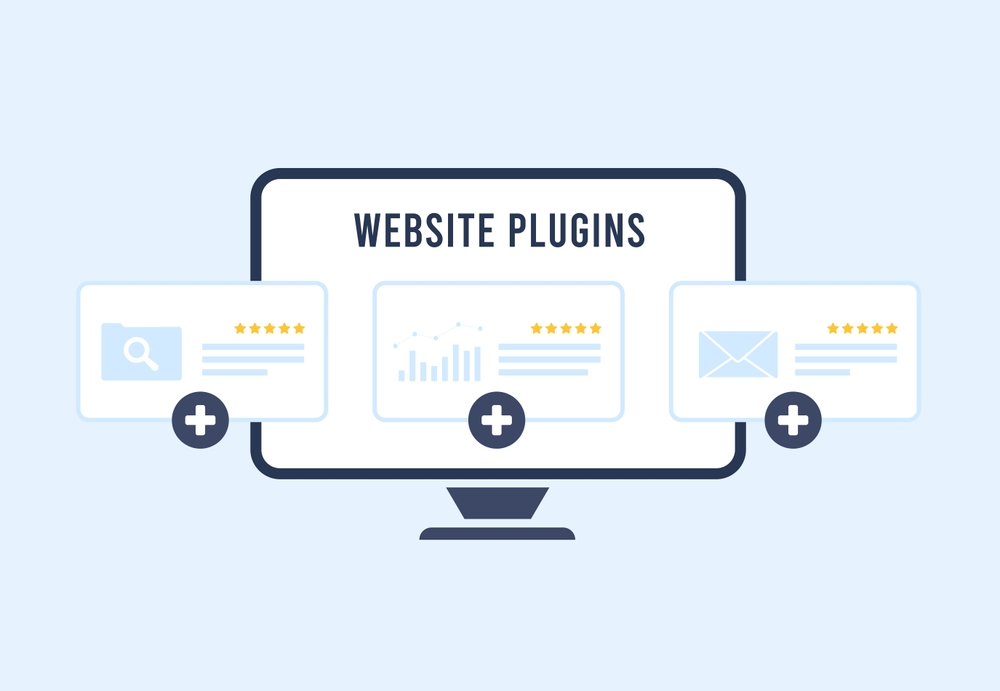
    Websites rely on various software and plugins to function properly. Over time, these tools can become outdated, leading to compatibility issues and potential security vulnerabilities. Regular maintenance involves updating all software and plugins to their latest versions, ensuring that your website continues to run smoothly. Keeping your site updated also allows you to take advantage of new features and improvements, enhancing your site’s functionality and user experience.

    Adding New Features

    As your business grows, your website needs to evolve to meet the changing demands of your customers. Regular maintenance provides the opportunity to add new features, such as integrating new payment gateways, updating contact forms, or enhancing your site’s design. By regularly assessing and improving your website’s functionality, you can ensure that it continues to meet the needs of your audience and supports your business goals.

    Extending the Lifespan of Your Website

    Reducing the Need for Major Overhauls

    Regular maintenance helps you avoid the need for costly and time-consuming website overhauls. By addressing issues as they arise and keeping your site updated, you can extend its lifespan and avoid the disruption of a complete redesign. This not only saves you money but also ensures that your website remains a reliable asset for your business.

    Preserving Your Brand Image

    Your website is a reflection of your brand, and a poorly maintained site can damage your brand image. Outdated content, broken links, and slow loading times can give visitors a negative impression of your business. Regular maintenance ensures that your website remains professional, functional, and aligned with your brand’s identity, helping you build trust and credibility with your audience.

    Conclusion: Prioritize Regular Website Maintenance for Long-Term Success

    Regular website maintenance is not just about fixing problems—it’s about ensuring that your website remains a valuable asset that supports your business’s growth and success. From improving user experience and security to enhancing SEO and functionality, maintenance plays a crucial role in keeping your website performing at its best. Don’t wait until issues arise—make website maintain a priority to protect your investment and ensure long-term success.

    Ready to ensure your website is always in top condition? Contact us to discuss our professional website maintenance services.

    External Links

    1. Why Regular Website Maintenance is Important
    2. The Role of Website Maintenance in SEO
    3. Contact Us to discuss your website maintenance needs.

    Read more related articles to enhance your knowledge and make informed decisions about cosmetic procedures.

    Why Custom Website Development is Essential for Your Brand

    Why Your Business Needs Professional Web Development Services

  • Is It Time for a Website Redesign? Here’s What to Consider

    Is It Time for a Website Redesign? Here’s What to Consider

    Is It Time for a Website Redesign? Here’s What to Consider

    Introduction: The Importance of Keeping Your Website Fresh

    In the fast-paced digital world, a business’s website is often the first point of contact with potential customers. As trends, technologies, and user expectations evolve, it’s crucial to keep your website up to date. But how do you know when it’s time for a website redesign? In this article, we’ll explore the key factors that signal the need for a redesign and what you should consider before making the investment.

    Signs That Your Website Needs a Redesign

    Outdated Design and User Experience

    The look and feel of your website play a significant role in how users perceive your brand. If your website’s design hasn’t been updated in several years, it may appear outdated or out of touch with modern aesthetics. An outdated design can lead to a poor user experience (UX), which can drive visitors away. Consider whether your website still aligns with current design trends and offers an intuitive, engaging experience for users.

    Poor Mobile Responsiveness

    With the majority of internet users accessing websites via mobile devices, mobile responsiveness is no longer optional—it’s essential. If your website isn’t optimized for mobile viewing, you’re likely losing out on a significant portion of potential customers. A website redesign can ensure that your site is fully responsive, providing a seamless experience across all devices.

    Slow Loading Times

    Website speed is a critical factor in user satisfaction and search engine ranking. If your website takes too long to load, visitors may leave before the page even finishes loading. Slow loading times can be caused by outdated code, large image files, or poorly optimized content. A redesign can help address these issues by streamlining your site’s code, optimizing images, and improving overall performance.

    Business Growth and Changing Needs

    Evolving Brand Identity

    As your business grows and evolves, so too should your website. If your brand identity has changed—whether it’s a new logo, color scheme, or messaging—your website should reflect these updates. A website redesign allows you to align your online presence with your current brand identity, ensuring consistency across all marketing channels.

    New Features and Functionality

    As your business expands, you may need to add new features and functionality to your website to better serve your customers. Whether it’s integrating an e-commerce platform, adding a blog, or implementing a customer portal, a website redesign can provide the opportunity to incorporate these enhancements. By updating your site, you can offer a more comprehensive and user-friendly experience for your visitors.

     Website Redesign

    Improved SEO and Online Visibility

    Search engine optimization (SEO) is essential for driving organic traffic to your website. If your site isn’t ranking well in search engine results, it may be time for a redesign. Modern SEO practices include optimizing your website’s structure, improving page load speeds, and creating high-quality content. A redesign can help ensure that your website is built with SEO best practices in mind, improving your chances of ranking higher in search results.

    Technological Advancements

    Keeping Up with the Latest Technology

    The digital landscape is constantly evolving, with new technologies emerging regularly. If your website is built on outdated technology, it may not be able to support the latest features or provide a secure experience for users. A website redesign allows you to take advantage of the latest advancements in web development, ensuring that your site is not only functional but also future-proof.

    Enhanced Security Measures

    With cyber threats on the rise, website security is more important than ever. If your website hasn’t been updated in a while, it may be vulnerable to security breaches. A redesign can help you implement the latest security measures, such as SSL certificates, secure payment gateways, and regular updates to protect your site and your customers’ data.

    What to Consider Before Redesigning

    Define Your Goals Website Redesign

    Before embarking on a website redesign, it’s essential to define your goals. What do you hope to achieve with the redesign? Are you looking to improve user experience, increase conversions, or better align your site with your brand identity

    ? Clearly outlining your objectives will help guide the redesign process and ensure that your new website meets your business’s needs.

    Analyze Your Current Website’s Performance

    Take a close look at your current website’s performance. Which pages are performing well, and which ones are underperforming? Use tools like Google Analytics to gather data on user behavior, page load times, and bounce rates. Understanding the strengths and weaknesses of your current site will inform your redesign strategy and help you focus on areas that need improvement.

    Consider Your Audience Website Redesign

    Your website should cater to the needs and preferences of your target audience. Consider who your users are, what they value, and how they interact with your site. A redesign offers the opportunity to create a more user-centric experience, tailoring content, design, and functionality to meet the expectations of your audience.

    Budget and Timeline Website Redesign

    A website redesign is a significant investment, both in terms of time and money. Determine your budget and timeline for the project before you begin. This will help you prioritize features and set realistic expectations for the redesign process. Keep in mind that while a redesign can be a considerable expense, it’s an investment in your business’s long-term success.

    Choosing the Right Partner

    Selecting the right web development partner is crucial to the success of your redesign. Look for a team with a strong portfolio, experience in your industry, and a clear understanding of your goals. A good web development partner will work closely with you to ensure that the redesign aligns with your vision and delivers the results you’re looking for.

    Conclusion: Time to Refresh Your Online Presence?

    If your website is outdated, not mobile-responsive, or failing to meet your business goals, it might be time for a redesign. By considering the factors outlined in this article, you can make an informed decision and embark on a redesign that enhances your online presence, improves user experience, and supports your business’s growth.

    Ready to take the next step? Contact us to discuss how we can help you create a website that truly reflects your brand and meets your business’s evolving needs.

    External Links

    1. Why Your Business Needs a Website Redesign
    2. The Importance of Responsive Web Design in 2024
    3. Contact Us to discuss your website redesign project.

    Read more related articles to enhance your knowledge and make informed decisions about cosmetic procedures.

    Why Custom Website Development is Essential for Your Brand

    Why Your Business Needs Professional Web Development Services

  • The Benefits of Tailored Web Solutions for Your Business

    The Benefits of Tailored Web Solutions for Your Business

    The Benefits of Tailored Web Solutions for Your Business

    Introduction: Standing Out in the Digital Age

    Web Solutions for Your Business: In today’s competitive digital landscape, businesses must find ways to stand out. A one-size-fits-all approach to web design and development no longer cuts it. Instead, businesses are increasingly turning to tailored web solutions that align with their unique needs and goals. Tailored web solutions offer a personalized approach to website design and functionality, ensuring that your online presence not only reflects your brand but also meets the specific demands of your target audience. In this article, we’ll explore the benefits of tailored web solutions and why they are crucial for your business’s success.

    What Are Tailored Web Solutions?

    Tailored web solutions refer to custom-built websites and digital platforms designed specifically for your business. Unlike generic templates or pre-built solutions, tailored web solutions are created with your unique brand, objectives, and customer base in mind. This approach allows for greater flexibility, functionality, and control over your online presence, ensuring that your website meets your exact requirements.

    Customization to Reflect Your Brand

    One of the primary benefits of tailored web solutions is the ability to create a website that truly reflects your brand identity. From the layout and color scheme to the functionality and content, every aspect of a tailored website can be customized to align with your brand’s values and messaging. This level of personalization helps establish a strong online brand presence, making your business more memorable and recognizable to customers.

    Enhanced User Experience (UX)

    A key factor in the success of any website is the user experience. Tailored web solutions allow you to design a website that offers a seamless and intuitive user experience, tailored specifically to your audience’s preferences and behaviors. This can include personalized navigation paths, custom forms, and interactive elements that engage users and keep them on your site longer. By focusing on the needs of your users, tailored web solutions can significantly improve customer satisfaction and conversion rates.

    Flexibility and Scalability

    As your business grows, so do your digital needs. Tailored web solutions provide the flexibility to scale your website as your business evolves. Whether you need to add new features, integrate with third-party applications, or expand your online store, a custom-built website can easily adapt to these changes. This scalability ensures that your website remains functional and effective, even as your business grows and your requirements become more complex.

    Integration with Business Processes

    Tailored web solutions can be designed to integrate seamlessly with your existing business processes and systems. This can include everything from customer relationship management (CRM) tools and inventory management systems to marketing automation platforms and payment gateways. By integrating these systems, a tailored website can streamline your operations, reduce manual tasks, and improve overall efficiency.

    Improved SEO and Online Visibility

    Search engine optimization (SEO) is crucial for driving traffic to your website and increasing online visibility. Tailored web solutions offer the advantage of being built with SEO best practices in mind from the ground up. This includes optimizing site structure, page load speeds, mobile responsiveness, and content relevance—all factors that contribute to higher search engine rankings. A well-optimized, tailored website is more likely to attract organic traffic, leading to increased leads and sales.

    Security and Compliance

    Security is a top priority for any business operating online. Tailored web solutions allow for the implementation of advanced security measures that protect your website and customer data from cyber threats. Unlike generic solutions, which may have vulnerabilities due to their widespread use, a custom-built website can be fortified with the latest security protocols tailored to your specific needs. Additionally, tailored solutions can ensure compliance with industry regulations and standards, such as GDPR, safeguarding your business from potential legal issues.

    Web Solutions for Your Business Web Solutions for Your Business

    Long-Term Cost Efficiency

    While tailored web solutions may require a higher initial investment compared to off-the-shelf options, they offer long-term cost efficiency. A custom-built website is designed to grow with your business, reducing the need for frequent redesigns or costly third-party integrations. Additionally, tailored solutions often result in fewer technical issues and downtime, leading to lower maintenance costs over time. In the long run, investing in a tailored web solution can save your business money while delivering a higher return on investment (ROI).

    Competitive Advantage

    In a crowded digital marketplace, having a unique and highly functional website can give you a significant competitive advantage. Tailored web solutions allow you to differentiate your business from competitors by offering a distinctive online experience that is difficult to replicate. Whether it’s through innovative design, unique features, or superior performance, a tailored website can position your business as a leader in your industry, attracting more customers and driving growth.

    Future-Proofing Your Business

    The digital landscape is constantly evolving, with new technologies and trends emerging regularly. Tailored web solutions are built with this in mind, providing the flexibility to adapt to future changes. Whether it’s incorporating new technologies like artificial intelligence (AI) or adjusting to changes in user behavior, a tailored website can be updated and enhanced to meet future demands. This future-proofing ensures that your business remains relevant and competitive in the years to come.

    Conclusion: Invest in Tailored Web Solutions

    In conclusion, tailored web solutions offer numerous benefits that can significantly impact your business’s success. From enhanced user experience and SEO to increased security and long-term cost efficiency, a custom-built website is an investment that pays off in multiple ways. If you’re ready to take your online presence to the next level, contact us today to learn more about our tailored web development services.

    External Links

    1. Why Custom Web Development is a Game Changer
    2. The Future of Web Design: Trends to Watch
    3. Contact Us to learn more about our tailored web development services.

    Read more related articles to enhance your knowledge and make informed decisions about cosmetic procedures.

    Why Custom Website Development is Essential for Your Brand

    Why Your Business Needs Professional Web Development Services

  • Why Invest in Professional E-Commerce Web Development?

    Why Invest in Professional E-Commerce Web Development?

    Why Invest in Professional E-Commerce Web Development?

    Introduction: The Growing Importance of E-Commerce

    In today’s digital age, e-commerce has become a cornerstone of business success. With the global e-commerce market projected to exceed $6 trillion by 2024, businesses cannot afford to overlook the importance of a strong online presence. Whether you’re a small business or a large enterprise, investing in professional e-commerce web development is crucial for staying competitive, enhancing customer experience, and driving sales. This article explores why professional e-commerce web development is a smart investment for your business.

    What is Professional E-Commerce Web Development?

    Professional e-commerce web development involves creating a customized online store that is tailored to your business’s needs and goals. Unlike generic templates or DIY solutions, professional development focuses on building a robust, scalable, and user-friendly platform that can handle your unique product offerings, customer base, and business processes. This includes everything from designing a visually appealing interface to integrating secure payment gateways and optimizing the site for search engines.

    The Customization Advantage

    One of the biggest advantages of professional e-commerce web development is customization. A professional developer can create a website that reflects your brand identity, offers a seamless user experience, and incorporates the specific features you need. Whether it’s integrating a complex inventory management system or offering personalized product recommendations, professional development ensures your e-commerce site is not just functional but also aligned with your business objectives.

    Scalability and Flexibility

    As your business grows, your e-commerce platform needs to scale with it. Professional e-commerce web development provides the flexibility to add new features, accommodate more traffic, and integrate with third-party services as your business evolves. A professionally developed site can handle increased demand without compromising performance, ensuring that your customers always have a smooth shopping experience. This scalability is essential for long-term success in the competitive e-commerce landscape.

    Enhanced User Experience (UX)

    User experience is a critical factor in the success of an e-commerce website. A professionally developed site ensures that your customers can easily find products, navigate the checkout process, and access support when needed. This level of convenience and efficiency can significantly impact your conversion rates and customer retention. In a market where customers have countless options, providing an exceptional user experience is key to standing out and building loyalty.

    E-Commerce Web Development

    Mobile Optimization

    With the majority of online shoppers using mobile devices, mobile optimization is no longer optional—it’s essential. Professional e-commerce web development ensures that your site is fully responsive, offering a consistent and user-friendly experience across all devices. A mobile-optimized site not only enhances user experience but also boosts your search engine rankings, as Google prioritizes mobile-friendly websites. Investing in professional development means your e-commerce platform will be accessible and functional, regardless of the device your customers use.

    Speed and Performance

    Website speed and performance are crucial to the success of any e-commerce site. Studies show that even a one-second delay in page load time can lead to a 7% reduction in conversions. Professional e-commerce web development focuses on optimizing your site’s speed and performance, ensuring fast load times and smooth navigation. A well-performing site not only improves user experience but also positively impacts your search engine rankings, making it easier for potential customers to find you.

    Security and Compliance

    E-commerce websites handle sensitive customer information, including payment details, personal data, and login credentials. Ensuring the security of this information is paramount. Professional e-commerce web development includes implementing advanced security measures, such as SSL certificates, encryption, and secure payment gateways. Additionally, professional developers ensure that your site complies with industry standards and regulations, such as GDPR, protecting your business from legal issues and building trust with your customers.

    Ongoing Support and Maintenance

    A professional e-commerce website requires ongoing support and maintenance to ensure it remains functional, secure, and up-to-date. Investing in professional web development means you have access to a team of experts who can quickly address any issues, perform regular updates, and optimize your site for performance and security. This level of support is essential for keeping your e-commerce platform running smoothly and ensuring that your customers have a positive experience every time they visit your site.

    Competitive Edge in the Market

    In a saturated e-commerce market, having a professionally developed website gives you a competitive edge. A well-designed, secure, and user-friendly site attracts more customers, enhances your brand reputation, and ultimately drives more sales. By investing in professional e-commerce web development, you position your business to compete effectively, attract more customers, and achieve long-term growth.

    The ROI of Professional E-Commerce Development

    While professional e-commerce web development requires an upfront investment, the return on investment (ROI) is substantial. A professionally developed site not only drives more traffic and conversions but also reduces the risk of costly security breaches and performance issues. Additionally, the ability to scale and adapt your site as your business grows ensures that your investment continues to pay off in the long term. In an industry where customer expectations and technological trends are constantly evolving, professional development is a smart investment that keeps your business ahead of the curve.

    Conclusion: Elevate Your E-Commerce Strategy

    In conclusion, investing in professional e-commerce web development is essential for businesses that want to thrive in the digital marketplace. From enhanced user experience and mobile optimization to robust security and ongoing support, professional development offers numerous benefits that drive growth and success. If you’re ready to elevate your e-commerce strategy and build a platform that meets the demands of today’s consumers, contact us today to learn more about our e-commerce web development services.

    External Links

    1. The Importance of E-Commerce Security
    2. How Mobile Optimization Affects Your Bottom Line
    3. Contact Us to learn more about our e-commerce web development services.

    Read more related articles to enhance your knowledge and make informed decisions about cosmetic procedures.

    Why Custom Website Development is Essential for Your Brand

    Why Your Business Needs Professional Web Development Services

  • The Importance of Responsive Web Design in 2024

    The Importance of Responsive Web Design in 2024

    The Importance of Responsive Web Design in 2024

    Introduction: The Shift to Mobile-First

    As we move further into 2024, the digital landscape continues to evolve, and so do user expectations. With more people accessing the internet via mobile devices than ever before, the importance of responsive web design has reached new heights. Responsive web design ensures that your website looks and functions optimally on all devices, whether it’s a smartphone, tablet, or desktop computer. In this article, we’ll explore why responsive web design is crucial for businesses in 2024 and how it can impact your online success.

    What is Responsive Web Design?

    Responsive web design is an approach to web development that ensures a website’s layout and content adapt seamlessly to different screen sizes and devices. Instead of creating separate versions of a website for mobile and desktop users, a responsive design uses flexible grids, images, and CSS media queries to automatically adjust the layout. This ensures that users have a consistent and optimal experience, regardless of the device they’re using.

    The Growing Mobile User Base

    In 2024, the number of mobile internet users is expected to surpass 7.5 billion globally. This staggering statistic underscores the need for websites to be mobile-friendly. A website that isn’t optimized for mobile devices risks alienating a significant portion of its audience. Responsive web design allows businesses to cater to this growing mobile user base, providing a seamless experience that keeps users engaged and satisfied.

    Responsive Web Design in 2024

    Enhanced User Experience (UX)

    User experience (UX) is a critical factor in determining the success of a website. A responsive design improves UX by ensuring that content is easily accessible and navigable on any device. Users won’t have to pinch, zoom, or scroll excessively to view your website’s content, which reduces frustration and increases the likelihood of them staying on your site. In 2024, providing a smooth and intuitive user experience is essential for retaining visitors and converting them into customers.

    SEO Benefits of Responsive Web Design

    Search engine optimization (SEO) is another area where responsive web design plays a crucial role. Google and other search engines prioritize mobile-friendly websites in their search results. In fact, Google uses mobile-first indexing, meaning it predominantly uses the mobile version of a website for indexing and ranking. A responsive design ensures that your website meets Google’s criteria for mobile-friendliness, improving your chances of ranking higher in search results.

    Faster Load Times

    One of the key factors that affect both user experience and SEO is page load time. Responsive websites are often faster to load because they are optimized for different devices and use fewer resources. Faster load times not only improve the user experience but also reduce bounce rates and increase the time users spend on your site—both of which are positive signals to search engines. In 2024, where users expect instant access to information, a responsive website that loads quickly is essential for maintaining a competitive edge.

    Cost-Effective and Easier Maintenance

    Managing separate websites for different devices can be costly and time-consuming. Responsive web design offers a cost-effective solution by allowing you to maintain a single website that works across all devices. This not only reduces development and maintenance costs but also simplifies your content management efforts. Updates can be made universally, ensuring that all users have access to the latest content and features. In 2024, where efficiency and cost-effectiveness are key business priorities, responsive design offers a significant advantage.

    The Future of Responsive Design

    As technology continues to advance, the concept of responsive web design will evolve. In 2024, we can expect to see more emphasis on responsive design elements that cater to emerging devices such as foldable phones, smartwatches, and even augmented reality (AR) interfaces. Staying ahead of these trends will require businesses to adopt a forward-thinking approach to responsive design, ensuring that their websites remain accessible and functional on the latest devices.

    Adapting to User Behavior

    User behavior is constantly changing, and businesses must adapt to these shifts to remain relevant. In 2024, users expect websites to be more personalized, interactive, and visually engaging. Responsive design will play a crucial role in meeting these expectations by enabling businesses to deliver tailored experiences that resonate with their audience. Whether it’s through dynamic content, adaptive layouts, or interactive elements, responsive design will continue to be a driving force in creating user-centric websites.

    Conclusion: Responsive Web Design is a Must in 2024

    In conclusion, responsive web design is no longer a luxury—it’s a necessity in 2024. With the increasing dominance of mobile devices, the need for a seamless and consistent user experience across all platforms is more important than ever. Responsive design not only enhances user experience but also boosts SEO, improves load times, and offers cost-effective website management. As the digital landscape continues to evolve, businesses that prioritize responsive web design will be better positioned to succeed in a mobile-first world.

    If you’re ready to future-proof your website with responsive design, contact us today to learn more about our web development services.

    External Links

    1. Why Responsive Web Design is More Important Than Ever
    2. Google’s Mobile-First Indexing Best Practices
    3. Contact Us to learn more about our web development services.

    Read more related articles to enhance your knowledge and make informed decisions about cosmetic procedures.

    Why Custom Website Development is Essential for Your Brand

    Why Your Business Needs Professional Web Development Services

  • Why Full-Stack Development is the Future of Web Solutions

    Why Full-Stack Development is the Future of Web Solutions

    Why Full-Stack Development is the Future of Web Solutions

    Introduction: The Evolution of Web Development

    Web development has undergone significant changes over the years, with businesses constantly seeking more efficient, flexible, and scalable solutions to meet their growing needs. As digital landscapes evolve, the demand for comprehensive and versatile web development skills has skyrocketed. Enter full-stack development—a field that encompasses both front-end and back-end development, offering a holistic approach to creating robust web solutions. This all-in-one expertise is not only becoming more valuable but is also shaping the future of web development.

    What is Full-Stack Development?

    Full-stack development refers to the practice of working on both the client-side (front-end) and server-side (back-end) of web applications. A full-stack developer is proficient in a wide range of technologies, from HTML, CSS, and JavaScript on the front end, to databases, server management, and APIs on the back end. This comprehensive skill set allows full-stack developers to manage all aspects of web development, from designing user interfaces to handling complex business logic and database management.

    The Versatility of Full-Stack Developers

    One of the primary reasons why full-stack is becoming the future of web solutions is the versatility it offers. Full-stack developers can work on every aspect of a project, eliminating the need for multiple specialists and streamlining the development process. This versatility allows businesses to be more agile, making it easier to adapt to changes and innovate quickly. Whether it’s building a new feature, optimizing performance, or troubleshooting issues, full-stack developers have the skills to handle it all.

    Cost-Efficiency and Streamlined Processes

    Hiring multiple developers with specialized skills can be costly and complex, especially for startups and small businesses. Full-stack offers a cost-effective alternative by providing a single point of contact for all development needs. This not only reduces the overall cost but also simplifies project management. Full-stack developers can oversee the entire project lifecycle, ensuring that all components work seamlessly together, leading to faster development times and more cohesive solutions.

    Full-Stack Development

    The Growing Demand for Full-Stack Developers

    As businesses increasingly recognize the benefits of full-stack , the demand for full-stack developers is on the rise. According to industry reports, full-stack developers are among the most sought-after professionals in the tech industry. This demand is driven by the need for developers who can work across multiple platforms and technologies, delivering comprehensive solutions that meet the diverse needs of modern businesses.

    Future-Proofing Your Business

    In a rapidly changing digital world, businesses need to be prepared for the future. Full-stack offers a way to future-proof your web solutions by providing the flexibility and scalability needed to adapt to new technologies and market trends. Full-stack developers are well-versed in a wide range of tools and frameworks, allowing them to quickly learn and implement new technologies as they emerge. This adaptability ensures that your web solutions remain relevant and competitive in the long run.

    Enhanced Collaboration and Communication

    Full-stack also fosters better collaboration and communication within development teams. Because full-stack developers have a comprehensive understanding of both front-end and back-end technologies, they can bridge the gap between different aspects of a project. This leads to more efficient problem-solving and a smoother development process. Additionally, full-stack developers can work closely with designers, project managers, and other stakeholders to ensure that the final product aligns with the business’s goals and user expectations.

    The Role of Full-Stack in Modern Web Solutions

    As web applications become more complex, the need for integrated, end-to-end solutions grows. Full-stack is uniquely positioned to meet this demand by offering a unified approach to web development. By handling both the front-end and back-end, full-stack developers can create more efficient, scalable, and maintainable web solutions that are tailored to the specific needs of the business. This makes full-stack an essential component of modern web development strategies.

    Conclusion: Embracing the Future with Full-Stack

    In conclusion, full-stack is the future of web solutions due to its versatility, cost-efficiency, and ability to deliver comprehensive and cohesive results. As businesses continue to seek ways to stay ahead in the digital landscape, full-stack offers the tools and expertise needed to create innovative and scalable web applications. By embracing full-stack , businesses can ensure that they are well-equipped to meet the challenges of tomorrow.

    If you’re ready to explore how full-stack can benefit your business, contact us today to learn more about our comprehensive web development services.

    External Links

    1. The Rise of Full-Stack Development
    2. Why Full-Stack Developers Are in High Demand
    3. Contact Us to learn more about our full-stack development services.

    Read more related articles to enhance your knowledge and make informed decisions about cosmetic procedures.

    Why Custom Website Development is Essential for Your Brand

    Why Your Business Needs Professional Web Development Services

  • Why Your Business Needs Web Development Services

    Why Your Business Needs Web Development Services

    Why Your Business Needs Professional Web Development Services

    Introduction: The Digital Imperative

    In today’s highly competitive digital landscape, having a professional online presence is no longer optional—it’s essential. Whether you’re a small business or a large enterprise, your website serves as the digital storefront of your brand. It’s where potential customers go to learn about your products or services, and in many cases, it’s the first impression they’ll have of your business. This is why investing in professional web development services is crucial for success. A professionally developed website ensures that your brand stands out, performs optimally, and meets the evolving needs of your audience.

    The Importance of First Impressions

    Your website is often the first point of contact between your business and potential customers. Studies show that it takes only about 50 milliseconds for users to form an opinion about your website. This first impression can be the difference between a visitor staying to explore your offerings or leaving to find a competitor. Professional web development services ensure that your website is visually appealing, easy to navigate, and aligned with your brand identity—all of which contribute to a positive first impression.

    Customization and Flexibility

    One of the key advantages of professional web development services is the ability to customize your website to meet your specific business needs. Unlike generic website templates, a custom-built site allows for greater flexibility in design, functionality, and user experience. Professional developers can create a website that not only looks great but also provides the unique features your business requires, whether it’s an e-commerce platform, a booking system, or interactive tools that engage your audience.

    Professional Web Development Services

    SEO Optimization

    Search engine optimization (SEO) is a critical component of any successful website. Without proper SEO, even the most beautifully designed website can struggle to attract traffic. Professional web development services include the integration of SEO best practices from the ground up. This means that your website will be built with clean code, fast loading times, mobile responsiveness, and structured data—all of which are essential for improving your search engine rankings. A higher ranking on search engines like Google means more visibility, more traffic, and ultimately, more customers.

    Enhanced Security and Performance

    In today’s digital age, cybersecurity is a major concern for businesses of all sizes. A data breach or a hacked website can lead to significant financial losses and damage to your brand’s reputation. Professional web developers understand the importance of security and implement advanced security measures to protect your website from threats. This includes regular updates, secure coding practices, and the use of SSL certificates to encrypt data. Additionally, professional developers optimize your website’s performance, ensuring fast loading times, minimal downtime, and a seamless user experience.

    Scalability for Future Growth

    As your business grows, your website needs to grow with it. Professional web development services offer the scalability needed to expand your website’s capabilities as your business evolves. Whether you’re adding new products, expanding into new markets, or incorporating advanced features, a professionally developed website is built to adapt to your changing needs. This scalability ensures that your website remains relevant, functional, and competitive as your business grows.

    Better User Experience (UX)

    User experience is a critical factor in determining the success of a website. A website that is difficult to navigate, slow to load, or cluttered with unnecessary elements can frustrate users and drive them away. Professional web developers focus on creating a smooth and intuitive user experience that keeps visitors engaged and encourages them to take action, whether that’s making a purchase, signing up for a newsletter, or contacting your business. By prioritizing user experience, professional web development services help increase conversions and customer satisfaction.

    Staying Ahead of the Competition

    In a crowded marketplace, it’s essential to differentiate your brand from the competition. A professionally developed website gives you a competitive edge by showcasing your unique value proposition, highlighting your strengths, and offering a superior user experience. Moreover, professional web developers stay up-to-date with the latest trends, technologies, and best practices in web development, ensuring that your website remains cutting-edge and relevant in a rapidly changing digital landscape.

    Conclusion: Invest in Professional Web Development for Long-Term Success

    In conclusion, professional web development services are a vital investment for any business looking to succeed in today’s digital world. From creating a strong first impression and enhancing security to improving SEO and scalability, professional web development provides the tools and expertise needed to build a website that drives growth and achieves your business goals. Don’t leave your business’s online presence to chance—invest in professional web development and watch your brand thrive.

    If you’re ready to elevate your online presence, contact us today to learn more about our professional web development services.

    External Links

    1. The Benefits of Professional Web Development
    2. Why Your Business Needs a Professional Website

    Contact Us to learn more about our professional web development services.

    Read more related articles to enhance your knowledge and make informed decisions about cosmetic procedures.


  • Why Custom Website Development is Essential for Your Brand

    Why Custom Website Development is Essential for Your Brand

    Why Custom Website Development is Essential for Your Brand

    Introduction: The Power of a Custom Website

    In today’s digital age, your website is often the first interaction potential customers have with your brand. It’s more than just an online presence; it’s a reflection of your business values, offerings, and identity. This is why custom website development is not just an option but a necessity for brands that aim to stand out in a competitive market. A custom-built website offers unparalleled advantages, from tailored design to enhanced functionality, that a generic template simply can’t match.

    What is Custom Website Development?

    Custom website development involves creating a website from scratch, tailored specifically to your brand’s needs and goals. Unlike templated sites, which offer limited customization and functionality, custom websites are built with your business objectives in mind. Whether it’s e-commerce capabilities, a unique design aesthetic, or specialized features, custom development ensures that your website not only meets but exceeds your expectations.

    Tailored to Your Brand Identity

    One of the most significant benefits of custom website development is the ability to create a site that perfectly aligns with your brand identity. A website is often the first point of contact for potential customers, and it should accurately reflect who you are as a brand. Custom development allows you to incorporate your brand’s colors, typography, and style in a way that is cohesive and professional. This consistency builds trust with your audience, as it shows that you pay attention to every detail of your brand’s presentation.

    Additionally, a custom website can be designed to provide a unique user experience that sets your brand apart from competitors. This is particularly important in industries where competition is fierce, and the user experience can be the deciding factor for customers.

    Custom Website Development

    Enhanced Functionality and Flexibility

    A custom website offers enhanced functionality tailored to your specific needs. Unlike templated websites, which come with pre-built features that may not fully align with your business goals, custom websites are developed with your unique requirements in mind. Whether you need complex e-commerce solutions, interactive features, or seamless integration with third-party platforms, custom development ensures that your website functions exactly as you need it to.

    Moreover, custom websites are built with scalability in mind. As your business grows, your website can evolve with it, accommodating new features, increased traffic, and changing customer needs. This flexibility is crucial for businesses that plan to expand and adapt over time.

    Improved SEO Performance

    Search engine optimization (SEO) is essential for driving organic traffic to your website, and custom website development can significantly enhance your SEO efforts. A custom site allows you to build SEO into the very foundation of your website, ensuring that it’s optimized from the ground up. This includes everything from clean code and fast loading times to mobile responsiveness and user-friendly navigation—all critical factors that search engines consider when ranking websites.

    Additionally, a custom website allows for more effective content management, enabling you to easily update and optimize your content for SEO. This ongoing ability to refine and improve your site’s SEO can lead to better search engine rankings, increased visibility, and more traffic over time.

    Security and Reliability

    Security is a major concern for any website, especially for businesses that handle sensitive customer data. Custom website development allows you to implement robust security measures tailored to your specific needs, reducing the risk of cyberattacks and data breaches. Unlike templated sites, which often rely on generic security features, custom websites can be built with advanced security protocols that provide an extra layer of protection for your business and your customers.

    Additionally, custom websites are generally more reliable than their templated counterparts. With a custom site, you have full control over the code and the technology stack, which means you can ensure that your website is built to the highest standards of performance and stability. This reliability is crucial for maintaining a professional online presence and providing a seamless user experience.

    Long-Term Cost Efficiency

    While the upfront cost of custom website development may be higher than using a template, it’s important to consider the long-term value. A custom website is an investment in your brand’s future, providing a platform that can grow and adapt with your business. Over time, the flexibility, scalability, and enhanced functionality of a custom website can lead to significant cost savings. You won’t need to constantly purchase new plugins, themes, or customizations, as your website will be built to meet your exact needs from the start.

    Moreover, the improved SEO performance, security, and reliability of a custom website can lead to higher conversion rates and greater customer retention, further enhancing your return on investment.

    Conclusion: Invest in Your Brand’s Future

    In conclusion, custom website development is essential for any brand that wants to create a strong, unique, and reliable online presence. It offers numerous benefits, from tailored design and enhanced functionality to improved SEO and long-term cost efficiency. By investing in custom website development, you’re not just building a website; you’re building a foundation for your brand’s success in the digital world.

    For businesses looking to take their online presence to the next level, custom website development is the way to go. If you’re ready to create a website that truly represents your brand, contact us today to learn more about our custom development services.

    External Links:

    1. The Importance of a Strong Online Presence
    2. How Custom Web Development Can Boost Your Business

    Contact Us to learn more about our custom website development services.

    Read more related articles to enhance your knowledge and make informed decisions about cosmetic procedures.


  • What Do Social Media Marketing Agencies Do?

    What Do Social Media Marketing Agencies Do?

    In today’s digital age, social media marketing has become a vital component of any successful business strategy. However, managing social media effectively requires time, expertise, and a deep understanding of the latest trends and tools. This is where social media marketing agencies come in. These agencies specialize in creating and executing social media strategies that help businesses build their online presence, engage with their audience, and achieve their marketing goals. Here’s a breakdown of what social media marketing agencies do:

    1. Strategy Development

    One of the primary roles of a social media marketing agency is to develop a comprehensive strategy tailored to a client’s business goals. This process includes:

    • Market Research: Agencies conduct in-depth research to understand the target audience, competitors, and industry trends. This information helps them create a strategy that resonates with the intended audience.
    • Goal Setting: Agencies work with clients to define clear, measurable goals such as increasing brand awareness, driving website traffic, generating leads, or boosting sales.
    • Platform Selection: Based on the research and goals, agencies determine which social media platforms (e.g., Facebook, Instagram, LinkedIn, Twitter, TikTok) are most effective for reaching the target audience.

    2. Content Creation and Curation

    Content is the heart of social media marketing, and agencies play a crucial role in creating and curating content that captures attention and drives engagement:

    • Content Creation: Agencies produce high-quality content, including images, videos, blog posts, infographics, and more. They ensure that the content aligns with the brand’s voice and appeals to the target audience.
    • Content Calendar: Agencies develop a content calendar that outlines what content will be posted, when, and on which platforms. This ensures consistency and helps maintain an active presence on social media.
    • Curating Content: Agencies also curate relevant content from other sources to share with the audience. This helps establish the brand as a thought leader and keeps the social media feed diverse and engaging.

    3. Social Media Management

    Managing social media accounts involves more than just posting content. Agencies take on a variety of tasks to ensure accounts are running smoothly:

    • Account Setup and Optimization: Agencies set up and optimize social media profiles, ensuring they are complete, professional, and reflective of the brand’s identity.
    • Scheduling Posts: Agencies use scheduling tools to automate posts, ensuring content goes live at the optimal times for maximum reach and engagement.
    • Monitoring and Responding: Agencies monitor social media activity, responding to comments, messages, and mentions in a timely manner. This helps build relationships with followers and ensures a positive brand image.

    4. Advertising and Campaign Management

    Paid social media advertising is an essential part of many marketing strategies, and agencies handle the entire process:

    • Ad Creation: Agencies create compelling ads that capture the audience’s attention and drive desired actions, such as clicks, sign-ups, or purchases.
    • Targeting and Retargeting: Agencies use advanced targeting options to reach specific demographics, interests, and behaviors. They also implement retargeting campaigns to re-engage users who have previously interacted with the brand.
    • Campaign Management: Agencies manage social media ad campaigns, optimizing them in real-time to ensure they deliver the best possible results within the budget.

    5. Analytics and Reporting

    Tracking the success of social media efforts is crucial for understanding what works and what doesn’t. Agencies provide detailed analytics and reporting to help clients make informed decisions:

    • Performance Tracking: Agencies monitor key metrics such as engagement rates, follower growth, website traffic, and conversion rates. They use these insights to adjust strategies and improve outcomes.
    • Reporting: Agencies provide regular reports that summarize social media performance, highlight successes, and identify areas for improvement. These reports help clients understand the ROI of their social media marketing efforts.

    6. Influencer Marketing and Collaboration

    Many agencies also manage influencer marketing campaigns:

    • Identifying Influencers: Agencies identify influencers who align with the brand’s values and have an audience that matches the target demographic.
    • Collaboration and Outreach: Agencies manage the relationship with influencers, from initial outreach to negotiating terms and overseeing content creation.
    • Campaign Execution: Agencies coordinate influencer campaigns, ensuring that the collaboration is seamless and that the content produced meets the brand’s standards.

    Conclusion

    Social media marketing agencies offer a wide range of services designed to help businesses grow their online presence, engage with their audience, and achieve their marketing goals. By handling everything from strategy development and content creation to advertising and analytics, these agencies enable businesses to focus on what they do best while leaving social media marketing to the experts. If you’re looking to enhance your brand’s social media presence, partnering with a social media marketing agency might be the right move for you.

    External Resources

    To deepen your understanding of social media marketing, you can explore Sprout Social’s guide to social media marketing and HubSpot’s comprehensive resources on social media.

    Read more related articles to enhance your knowledge and make informed decisions about cosmetic procedures.

    Best Social Media Agency in Delhi: Elevate Your Online Presence

    What is a Social Media Agency? The Role of Agencies in Managing

  • Social Media Marketing for eCommerce

    Social Media Marketing for eCommerce: Boosting Sales and Engagement

    In the competitive world of eCommerce, leveraging social media marketing is crucial for driving sales, increasing brand awareness, and building customer loyalty. With billions of users on platforms like Facebook, Instagram, and TikTok, social media offers eCommerce businesses a powerful way to connect with their target audience. In this guide, we’ll explore key strategies for effective social media marketing for eCommerce businesses.

    The Importance of Social Media Marketing for eCommerce

    Social media marketing is more than just posting products online; it’s about creating a connection with your audience, understanding their needs, and providing value that translates into sales. Here’s why social media is indispensable for eCommerce:

    1. Expanding Your Reach

    • Targeted Advertising: Social media platforms offer sophisticated targeting options that allow you to reach specific demographics based on age, location, interests, and behavior. This ensures that your ads and posts are seen by potential customers who are most likely to convert.
    • Organic Growth: By consistently posting engaging content, eCommerce businesses can organically grow their following. This increases brand awareness and creates a community of loyal customers who advocate for your brand.

    2. Enhancing Customer Engagement

    • Interactive Content: Social media allows eCommerce businesses to engage with their audience through polls, quizzes, live videos, and stories. This interactive content encourages users to engage with your brand, increasing the likelihood of conversions.
    • Customer Support: Social media platforms are an effective channel for providing customer support. Quick responses to customer inquiries and issues can enhance customer satisfaction and build trust in your brand.

    3. Driving Traffic and Sales

    • Shoppable Posts: Platforms like Instagram and Facebook now offer shoppable posts, which allow users to purchase directly from your social media pages. This seamless shopping experience reduces friction and increases conversion rates.
    • Promotions and Discounts: Social media is an excellent platform for announcing sales, promotions, and exclusive discounts. These campaigns can drive immediate traffic to your website and boost sales.

    Effective Social Media Marketing Strategies for eCommerce

    1. Optimize Your Social Media Profiles

    • Consistent Branding: Ensure that your social media profiles are consistent with your brand’s image. Use the same logo, color scheme, and tone of voice across all platforms to create a cohesive brand identity.
    • Clear Call-to-Actions (CTAs): Include clear CTAs in your bio and posts to guide users towards making a purchase. CTAs like “Shop Now,” “Learn More,” or “Get Yours Today” can direct traffic to your eCommerce site.

    2. Create High-Quality Visual Content

    • Product Photography: Invest in professional product photography to showcase your items in the best light. High-quality images are more likely to grab attention and lead to sales.
    • User-Generated Content (UGC): Encourage customers to share photos of their purchases on social media. UGC not only provides authentic content but also serves as social proof, influencing potential buyers to make a purchase.

    3. Leverage Influencer Marketing

    • Partner with Relevant Influencers: Collaborate with influencers who align with your brand and have a following that matches your target audience. Influencers can promote your products to a broader audience, increasing brand visibility and driving sales.
    • Micro-Influencers: Don’t overlook micro-influencers with smaller but highly engaged followings. They often have a more personal connection with their audience, leading to higher engagement rates.

    4. Utilize Paid Social Advertising

    • Retargeting Ads: Use retargeting ads to reach users who have visited your site but haven’t made a purchase. These ads remind potential customers of your products and encourage them to complete their purchase.
    • Dynamic Ads: Dynamic ads automatically show products to users based on their past interactions with your website. This personalized approach can significantly increase conversion rates.

    5. Analyze and Optimize Performance

    • Track Metrics: Use analytics tools to track the performance of your social media campaigns. Monitor key metrics like engagement rates, click-through rates, and conversion rates to understand what’s working and what’s not.
    • Continuous Improvement: Based on your analytics, adjust your strategy to improve results. Experiment with different content formats, posting times, and ad creatives to find the most effective approach for your eCommerce business.

    Conclusion

    Social media marketing is a powerful tool for eCommerce businesses looking to boost sales, increase brand awareness, and build customer loyalty. By optimizing your social media profiles, creating high-quality content, leveraging influencer marketing, utilizing paid ads, and continuously analyzing your performance, you can create a successful social media strategy that drives results. Ready to take your eCommerce business to the next level? Contact us to learn how we can help you succeed.

    External Resources

    To deepen your understanding of social media marketing, you can explore Sprout Social’s guide to social media marketing and HubSpot’s comprehensive resources on social media.

    Read more related articles to enhance your knowledge and make informed decisions about cosmetic procedures.

    Best Social Media Agency in Delhi: Elevate Your Online Presence

    What is a Social Media Agency? The Role of Agencies in Managing